
Appetite Changes from Medication: Why They Happen and How to Manage
 Jan, 24 2026
Medication Appetite Effect Calculator
How do your medications affect appetite and weight?
Enter your medication to see expected effects and management strategies
Select Your Medication
Results
Select a medication to see expected effects
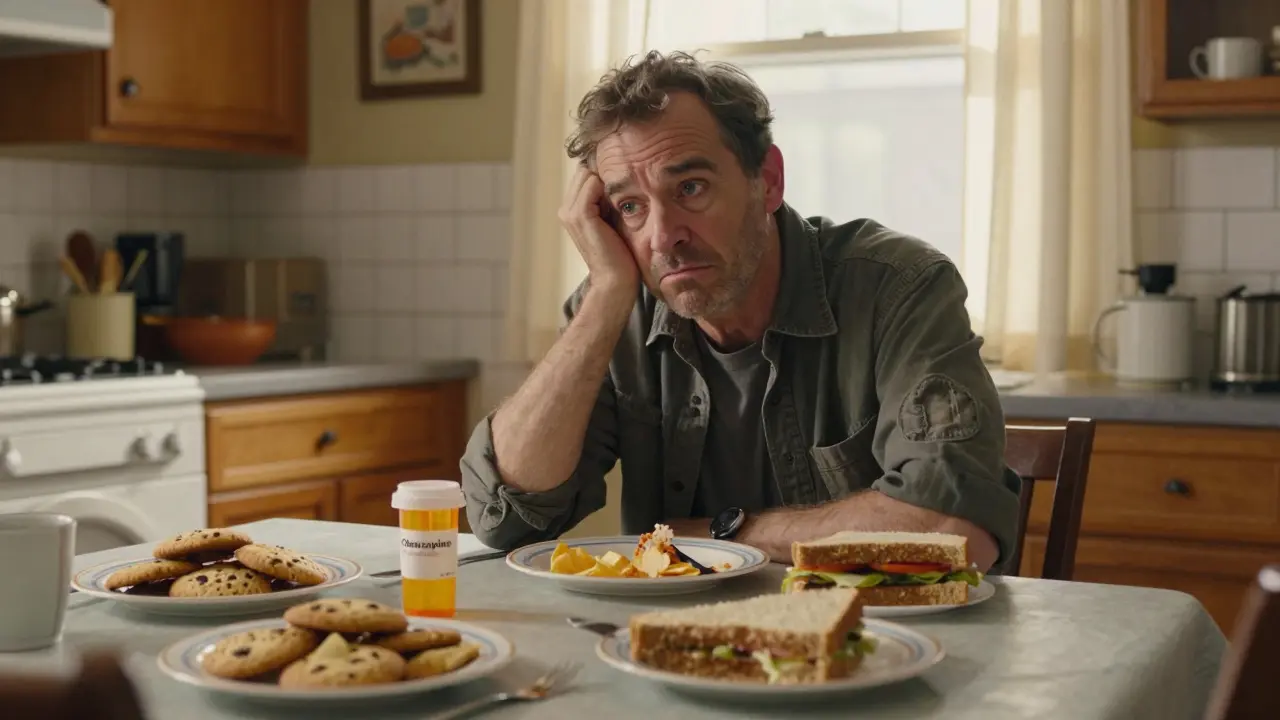
Many people start a new medication expecting relief from their symptoms-but not a sudden, uncontrollable urge to snack all day, or the complete loss of interest in food. Appetite changes from medication are more common than you think. In fact, medication appetite changes affect nearly half of adults taking certain psychiatric, diabetic, or cardiovascular drugs. These shifts aren’t random. They’re built into how the drug interacts with your brain and body. And while they’re often dismissed as "just a side effect," they can lead to real health problems-weight gain, nutrient deficiencies, or even worsening mental health.
Why Your Appetite Shifts When You Take Medication
Your appetite isn’t just about hunger pangs. It’s controlled by a complex system in your brain, especially the hypothalamus, which talks to your stomach, liver, and fat cells through hormones like ghrelin and leptin. Medications mess with this system in predictable ways.Antipsychotics like olanzapine and quetiapine boost ghrelin-the "hunger hormone"-by 15-20% within weeks. That’s why people on these drugs often report feeling hungry even after eating. Antidepressants like mirtazapine work similarly, blocking histamine receptors that normally signal fullness. The result? Constant cravings, especially for carbs and sweets.
On the flip side, some drugs suppress appetite. Amphetamines used for ADHD or narcolepsy increase norepinephrine and dopamine, which shut down hunger signals. People on these meds often skip meals without realizing it. Even some diabetes drugs like metformin reduce appetite by improving insulin sensitivity. Meanwhile, insulin can do the opposite-making you hungrier because it drives glucose into cells, dropping blood sugar and triggering hunger.
It’s not just about the brain. Some medications slow your metabolism. Beta-blockers like propranolol reduce how many calories you burn at rest. Others, like lithium and sulfonylureas, cause your body to hold onto water or store more fat. And let’s not forget antihistamines-common in sleep aids and allergy pills. They increase histamine activity, which directly stimulates appetite. Even diphenhydramine can make you snack more, even if you’re not truly hungry.
Which Medications Are Most Likely to Change Your Appetite?
Not all drugs affect appetite the same way. Some are notorious for weight gain. Others are surprisingly helpful for weight loss. Here’s what the data shows:
| Medication Class | Examples | Appetite Effect | Average Weight Change (6 months) |
|---|---|---|---|
| Second-generation antipsychotics | Olanzapine, quetiapine, risperidone | Strong increase | +4 to +10 kg |
| Antidepressants | Mirtazapine, amitriptyline, paroxetine | Increase | +2 to +5 kg |
| Antidepressants (weight-neutral) | Bupropion, vortioxetine | Decrease or neutral | -1 to +0.5 kg |
| Diabetes medications | Insulin, sulfonylureas | Increase | +2 to +4 kg |
| Diabetes medications | Metformin, GLP-1 agonists | Decrease | -2 to -5 kg |
| Antihistamines | Diphenhydramine, hydroxyzine | Mild increase | +1 to +2 kg |
| Appetite suppressants | Topiramate, phentermine | Strong decrease | -3 to -5 kg |
Some drugs are outright dangerous for people already struggling with weight. Olanzapine, for example, causes over 10% of users to gain more than 7% of their body weight in just three months. That’s not just a few pounds-it can mean moving from a healthy weight to obese. Meanwhile, bupropion and topiramate are often chosen specifically because they don’t cause weight gain. In fact, topiramate is sometimes prescribed off-label to help people lose weight while on other meds.
What Happens When Appetite Changes Go Unmanaged
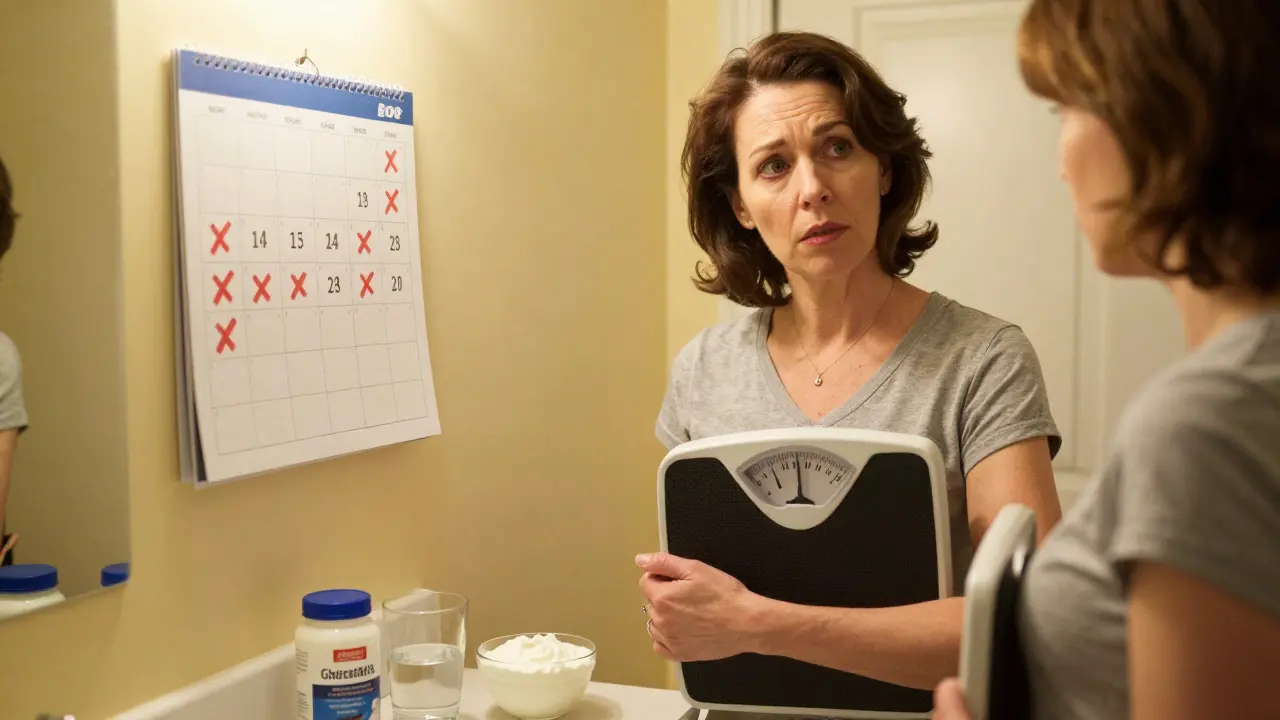
Ignoring appetite shifts isn’t harmless. It’s a slow-motion health crisis.
Weight gain from medication increases your risk of type 2 diabetes, heart disease, and high blood pressure. The American Diabetes Association found that people on insulin or sulfonylureas are 30% more likely to develop insulin resistance if they gain more than 5 kg in the first six months. And for those with depression or schizophrenia, weight gain can make symptoms worse-lowering self-esteem, increasing social isolation, and sometimes leading to medication non-adherence.
Conversely, losing too much appetite can be just as dangerous. People on amphetamines or topiramate may drop below their ideal weight. They stop eating enough protein or healthy fats, leading to muscle loss, fatigue, and nutrient deficiencies. One Reddit user shared how they lost 18 pounds on topiramate and ended up with low iron and vitamin B12 levels-something their doctor didn’t catch until they passed out at work.
Studies show that 80% of significant weight gain from medication happens within the first six months. That’s why waiting until you’ve gained 15 pounds before doing something is already too late. Proactive management isn’t optional-it’s essential.
How to Manage Appetite Changes Without Stopping Your Medication
You don’t have to choose between your mental health and your waistline. Here’s how to take control-safely and effectively.
- Track your weight weekly. Weigh yourself at the same time each morning, after using the bathroom and before eating. A gain of more than 1-2 kg per month on an antipsychotic or antidepressant is a red flag. The Endocrine Society recommends checking your BMI and waist size every three months.
- Switch to a weight-neutral alternative. If you’re on mirtazapine and gaining weight, ask your doctor about bupropion or vortioxetine. Studies show these cause minimal weight gain-or even loss-without sacrificing mood improvement. For diabetes, metformin is often preferred over insulin if weight is a concern.
- Time your meals and snacks. Eating at regular intervals keeps blood sugar steady. Aim for protein-rich snacks every 3-4 hours: Greek yogurt, hard-boiled eggs, nuts, or cottage cheese. This keeps hunger spikes down by 40%, according to Harvard Health.
- Choose fiber and whole grains. Swap white bread, pasta, and rice for oats, quinoa, and whole wheat. Fiber slows digestion, making you feel full longer. Kelty Mental Health reports this adds 20-30 minutes of satiety per meal.
- Drink water before meals. A simple trick: drink two glasses of water 20 minutes before eating. In one study of 200 users, this reduced calorie intake by 13%. It’s not magic-it’s just filling your stomach before the food arrives.
- Meal prep twice a week. Spontaneous eating leads to 200 extra calories a day. Plan your meals ahead. Cook a batch of grilled chicken, roasted veggies, and brown rice. Portion them out. You’ll eat less, waste less, and avoid the 3 p.m. snack attack.
- Move your body. Resistance training-even just two 30-minute sessions a week-builds muscle. More muscle means a higher resting metabolism. You’ll burn 50-100 extra calories a day just by being alive. That’s 350-700 calories a week. Over six months, that’s 1-2 kg of fat loss.
- Practice mindful eating. Put your fork down between bites. Chew slowly. Notice flavors. Studies show this reduces portion sizes by 15-20% without making you feel deprived.
And never stop a medication cold turkey. Tapering off antipsychotics or antidepressants takes weeks. Stopping suddenly can cause withdrawal, rebound depression, or even psychosis. Always work with your doctor.

When to Talk to Your Doctor About Appetite Changes
Don’t wait until you’ve gained 10 kilos. If you notice any of these, schedule a chat:
- Your appetite changed within the first 4 weeks of starting a new drug.
- You’re gaining more than 1 kg per month without changing your diet or activity.
- You’re losing weight unintentionally and feeling weak or dizzy.
- You’re craving sugar or carbs constantly, even when you’re full.
- You’ve stopped enjoying food altogether.
Your doctor might suggest switching meds, adding metformin to counteract weight gain, or referring you to a dietitian who specializes in medication side effects. Some clinics now use digital tools like Noom or MyMoodMonitor to track weight and eating habits in real time-making it easier to spot trends early.
The Future Is Personalized
Science is catching up. In 2023, researchers identified 12 genetic markers that predict who’s likely to gain weight on antipsychotics. Soon, doctors may test your DNA before prescribing olanzapine-and choose a safer option if you’re high-risk.
New drugs are being designed to avoid appetite side effects entirely. KarXT, a new schizophrenia treatment, caused only 0.4 kg of weight gain in trials-compared to 3.2 kg for olanzapine. Auvelity, a newer antidepressant, has a weight gain rate of just 0.7%. These aren’t just better drugs-they’re better lives.
For now, you have power. You don’t have to accept appetite changes as inevitable. With the right strategy, you can manage your meds and your health-side by side.
Can medication cause sudden loss of appetite?
Yes. Medications like amphetamines, topiramate, and some cancer drugs can sharply reduce appetite by altering brain chemicals that control hunger. This isn’t always intentional-it’s a side effect. If you’re losing weight without trying, feeling weak, or skipping meals regularly, talk to your doctor. It could lead to muscle loss or nutrient deficiencies.
How long does it take for appetite changes to start after starting a new medication?
Appetite changes often begin within the first 2-4 weeks. With antipsychotics like olanzapine, people report increased hunger as early as day 10. For antidepressants, changes may take 4-8 weeks as serotonin receptors adjust. The first six months are critical-most weight gain happens then.
Is it safe to switch medications to avoid weight gain?
It can be, but only under medical supervision. Switching antidepressants or antipsychotics too quickly can trigger withdrawal, mood crashes, or relapse. Your doctor will likely taper you off slowly over 2-4 weeks and introduce the new drug gradually. Many weight-neutral options like bupropion, vortioxetine, or metformin are safe and effective alternatives.
Do all antidepressants cause weight gain?
No. While some, like mirtazapine and paroxetine, are linked to weight gain, others like bupropion and vortioxetine are either weight-neutral or may even help you lose a little. Studies show only 10% of people on bupropion gain weight, compared to 40% on mirtazapine. The key is matching the drug to your health goals.
Can diet and exercise reverse medication-induced weight gain?
Yes, but it’s harder than for weight gain from lifestyle alone. Medications can lower your metabolism or increase hunger signals, so you need to work harder. Combining protein-rich meals, resistance training, and meal prep can help you lose 1-2 kg per month-even while on a weight-gain-causing drug. It’s not impossible, but it requires consistency.
Are there any supplements that help with medication-related appetite changes?
There’s no magic pill, but some evidence supports chromium picolinate for reducing carb cravings, and fiber supplements like psyllium husk to increase fullness. However, supplements can interact with meds-especially psychiatric ones. Always check with your doctor before starting anything new. Diet and behavior changes are safer and more effective.
Why does my doctor not mention appetite changes when prescribing medication?
Many doctors still see weight gain as a "minor" side effect. But awareness is rising. In 2022, 65% of U.S. primary care doctors began routinely screening for medication-related weight gain-up from 35% in 2015. If your doctor hasn’t brought it up, ask. Say: "I’ve heard this med can affect appetite. What should I watch for?" Most will appreciate the question.
Alexandra Enns
January 25, 2026 AT 05:52Okay but let’s be real-doctors are just lazy. They hand out olanzapine like candy and then act shocked when you gain 20 pounds. I’ve seen it a dozen times. No one tells you about the midnight ice cream binges until you’re already in a new pant size. It’s not a side effect-it’s a design flaw. And don’t even get me started on how they treat weight gain like it’s your fault. Wake up. The drug is doing this, not your willpower.
Marie-Pier D.
January 25, 2026 AT 10:42Thank you for writing this 💗 I was on mirtazapine for 8 months and gained 14 lbs without even realizing it. I thought I was just "eating more because I was happier"-but no, it was the med. I switched to vortioxetine and lost it all in 5 months without changing a thing. Your post saved me from feeling broken. Please keep sharing this stuff ❤️
Phil Maxwell
January 26, 2026 AT 03:00Interesting breakdown. I’m on metformin for PCOS and noticed my cravings dropped off a cliff. Didn’t even try. Just stopped wanting pizza at 2 a.m. Weird how biology works sometimes.
Shelby Marcel
January 26, 2026 AT 08:35soooo i started topiramate last month and lost 10lbs but now i just dont feel like eating at all?? like my stomach just… shuts off?? is that normal?? also my tongue feels weird. help??
blackbelt security
January 26, 2026 AT 09:19Consistency beats magic. Meal prep. Protein first. Sleep 7+ hours. Move daily. Not sexy. Not viral. But it works. Even with meds. You don’t need a miracle-you need a routine.
Patrick Gornik
January 26, 2026 AT 13:43Let’s deconstruct the pharmacological hegemony, shall we? The pharmaceutical-industrial complex doesn’t care about your ghrelin receptors-it cares about your recurring prescriptions. Appetite modulation isn’t a side effect-it’s a feature engineered for long-term dependency. You’re not gaining weight because you’re weak; you’re gaining weight because the system wants you to stay on the drug forever. The real tragedy? You’re being monetized through your metabolism. And they call this medicine.
Tommy Sandri
January 27, 2026 AT 05:50Thank you for the comprehensive and clinically grounded overview. The inclusion of evidence-based management strategies, particularly the emphasis on proactive monitoring and physician collaboration, reflects best practices in patient-centered care. This is precisely the type of resource that should be distributed in primary care settings.
Juan Reibelo
January 27, 2026 AT 21:13My sister went from 140 to 190 on quetiapine… in six months. Her doctor said, "Just eat less." I screamed. I cried. I made her a spreadsheet. We tracked meals, sleep, weight, and cravings. She switched to aripiprazole. Lost 30 lbs. In 4 months. Don’t let them gaslight you. This isn’t your fault. It’s science. And you deserve better.
Josh McEvoy
January 28, 2026 AT 07:42bro i literally stopped eating for 3 days on topiramate and then ate a whole pizza at 3am and cried… why does my body hate me 😭
Heather McCubbin
January 28, 2026 AT 21:24Everyone’s so obsessed with weight like it’s the only thing that matters. What about the people who are actually thriving on these meds? My anxiety vanished on sertraline. I don’t care if I gained 5 lbs. I’m alive. You’re all just obsessed with aesthetics. Get over it.
Amelia Williams
January 29, 2026 AT 02:20THIS. This is the info I needed 3 years ago. I was so ashamed of gaining weight on antidepressants-I thought I was lazy. Turns out my brain was just being hijacked. I started meal prepping on Sundays and now I feel like myself again. You’re not broken. You’re just on the wrong med. Keep going. You’ve got this 💪
Viola Li
January 30, 2026 AT 17:24Why do we always assume the solution is switching meds? What about just accepting your body as it is? Why must every side effect be fixed? Maybe the real problem is our obsession with thinness. Not the drug.
Dolores Rider
February 1, 2026 AT 16:19they’re putting stuff in the meds to make us fat so we need more drugs to fix it. i saw a video on tiktok where a guy said the FDA knew about this since 2010 but covered it up. my cousin died from heart failure after gaining 80lbs on risperidone. they dont care. they just want your money. i’m not taking anything anymore. i’m going raw vegan and praying. 🙏