
How to Report Suspected Counterfeit Drugs to Authorities
 Dec, 2 2025
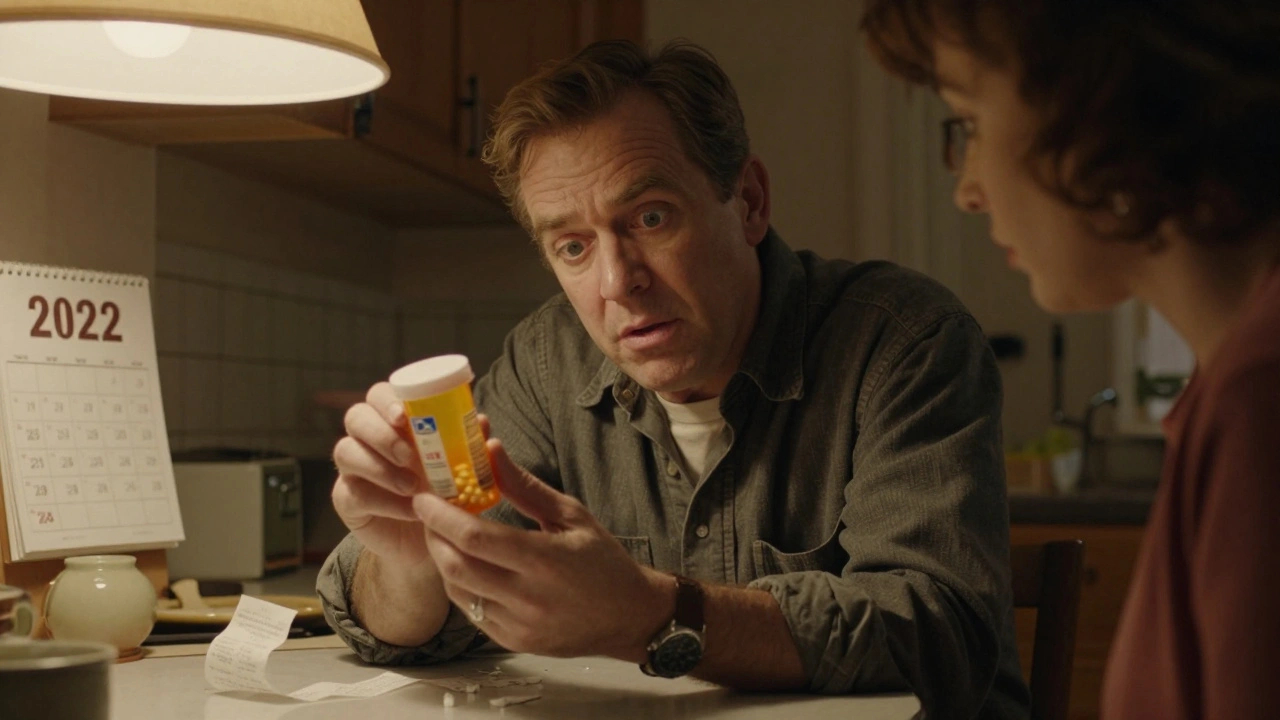
If you’ve ever opened a pill bottle and thought something was off - the color’s wrong, the logo looks blurry, or the pills taste strange - you’re not imagining it. Counterfeit drugs are real, dangerous, and more common than most people realize. In 2022, over 4.3 million fake medical products were seized globally, with online pharmacies being the biggest source. These aren’t just ineffective - they can kill. Some contain toxic chemicals, others have no active ingredient at all. If you suspect a drug is fake, reporting it isn’t just helpful - it’s necessary. Here’s exactly how to do it, step by step, so your report actually leads to action.
Recognize the signs of a counterfeit drug
Before you report anything, confirm it’s likely fake. Counterfeiters aren’t always sophisticated, and they make mistakes. Look for these red flags:- Spelling or grammar errors on the packaging - even small ones like "Lipitor" misspelled as "Lipitor"
- Missing or altered lot numbers - legitimate drugs always have them
- Unusual color, shape, or texture - if your usual blue pill is now green or crumbly, that’s a warning
- Packaging that looks cheap - flimsy seals, poor print quality, mismatched fonts
- Buying from unverified sources - websites without a physical address, no licensed pharmacist on staff, or offering "miracle discounts" on prescription drugs
The FDA found that 78% of counterfeit drugs have spelling errors, and 87% have packaging inconsistencies. If two or more of these signs are present, treat it as a potential counterfeit until proven otherwise.
Preserve the evidence - don’t throw it away
This is the most critical step. Never dispose of the suspected drug or its packaging. Law enforcement and regulators need the physical product to trace its origin. Keep:- The original bottle or blister pack
- The box, leaflet, and any stickers or labels
- Receipts or screenshots of the website where you bought it
- Photos of the product from multiple angles - especially close-ups of the lot number, logo, and any irregularities
A pharmacist in Ohio reported counterfeit insulin in 2022. Because she kept the original packaging with lot number XYZ12345, the FDA traced the shipment back to a warehouse in China within 12 hours. That’s how reports turn into investigations.
Call your doctor or pharmacist first - if you’re sick
If you’ve taken the drug and feel unwell - nausea, dizziness, chest pain, or anything unusual - contact your healthcare provider immediately. Fake drugs can cause organ damage, allergic reactions, or even death. Don’t wait. Tell them exactly what you took, when, and what symptoms you’re having. They may need to report it on your behalf or run tests.Even if you feel fine, let your pharmacist know. Pharmacies are often the first to spot patterns - if three patients come in with the same fake batch, they can alert regulators faster than an individual ever could.
Report to the FDA - the fastest route in the U.S.
In the United States, the Food and Drug Administration (FDA) is your main point of contact. Use their MedWatch program. It’s free, confidential, and designed for exactly this.Go to www.fda.gov/medwatch and click "Report a Problem." You’ll fill out an online form. You need:
- Drug name and strength (e.g., "Metformin 500 mg")
- Lot number and National Drug Code (NDC) - found on the box or bottle
- Where you bought it (pharmacy name, website URL, or street address)
- Any side effects you experienced
- Photos of the product and packaging
On average, electronic submissions take 22 minutes to complete. The FDA acknowledges 87% of these within 72 hours. Paper forms take longer - stick to the online version.
For suspected criminal activity - like a large-scale online operation or a distributor selling fake opioids - use the FDA’s Office of Criminal Investigations (OCI) portal at www.fda.gov/oci. This route is for cases where you believe a crime is being committed. It requires more detail: dates, locations, suspect descriptions, and proof you’ve preserved evidence. The OCI opened 1,842 counterfeit drug investigations in 2022 alone.

Report to international systems if you’re outside the U.S.
If you’re in the European Union, use your national medicines regulator - like the UK’s MHRA or Germany’s BfArM. All EU countries follow the Falsified Medicines Directive, which requires unique safety features on prescription packaging.For global reporting, the World Health Organization (WHO) runs the Global Surveillance and Monitoring System. You can submit a report in 27 languages at who.int/falsifiedmeds. The WHO received over 1,500 reports from 141 countries by mid-2023. While their response time averages 14 days, they coordinate alerts across borders - crucial when fake drugs cross countries.
The Pharmaceutical Security Institute (PSI) also accepts reports from consumers and professionals worldwide. Their email is [email protected]. They’ve verified over 9,800 counterfeit incidents since 1991 and use AI to confirm fakes in under 5 hours. However, they often ask for verification from a healthcare provider before acting on consumer reports.
What happens after you report?
Most people expect a call back or a case number. That doesn’t always happen - and that’s normal. The system isn’t designed to update individuals. Instead, your report feeds into a larger network:- The FDA cross-references your lot number with manufacturers’ records
- If it’s confirmed fake, they issue a public alert
- Customs and border agents get flagged to look for that batch
- Online marketplaces like Amazon or eBay get notified to remove listings
- Law enforcement may raid warehouses or arrest distributors
Dr. Patrizia Cavazzoni, head of the FDA’s drug evaluation center, says reports with full documentation - including photos and lot numbers - increase investigation success by 63%. Your report isn’t just a complaint - it’s evidence.
Why most reports fail - and how to avoid it
The biggest reason reports go nowhere? Incomplete info. Here’s what people mess up:- Throwing away the packaging - without the lot number, the drug can’t be traced
- Reporting to the wrong agency - like calling the DEA for a fake allergy pill (they only handle controlled substances)
- Waiting too long - the longer you wait, the harder it is to track the supply chain
- Not including photos - text descriptions alone are 40% less likely to trigger an investigation
Also, don’t assume someone else already reported it. In a 2022 Consumer Reports survey, 63% of people who reported fake drugs said they were confused about who to contact. If you’re unsure, call the FDA’s Drug Information line at 1-855-543-3784. They’ll point you in the right direction.

What’s changing - and what’s coming
The fight against fake drugs is getting smarter. In 2023, the FDA launched a pilot program where some drug packages have QR codes. Scan it, and you’re taken straight to the reporting form. Pfizer, Merck, and other major makers are rolling this out.By late 2024, the FDA plans to integrate blockchain into drug tracking - meaning every pill’s journey from factory to pharmacy will be digitally recorded. In 2025, WHO will release a mobile app for real-time reporting. These tools will make it faster to catch fakes before they reach you.
But until then, your action matters. In 2022, 1.2 million counterfeit pills were intercepted at U.S. borders - mostly because someone reported a suspicious batch.
Frequently Asked Questions
Can I report a counterfeit drug if I didn’t buy it myself?
Yes. If you found fake pills in someone’s medicine cabinet, saw them being sold at a flea market, or noticed a suspicious website, you can still report them. The FDA and WHO accept reports from anyone - you don’t need to be the buyer.
Will I get in trouble for reporting a fake drug I bought illegally?
No. Reporting systems are designed to protect the public, not punish users. The FDA and WHO focus on stopping the criminals who make and sell fake drugs. Your report is confidential, and your identity won’t be shared unless you ask for it to be.
What if the drug is from another country?
Report it to your own country’s health authority - they’ll coordinate internationally. For example, if you bought fake insulin from a Canadian website but live in Australia, report it to the Therapeutic Goods Administration (TGA). They work with the FDA and WHO to track cross-border shipments.
How long does it take for a report to lead to action?
It varies. Simple reports with clear evidence can trigger a product alert within 3-5 days. Criminal investigations take longer - weeks or months. But every report adds data to the system. Even if you don’t see results, your report helps build the case against these networks.
Can I report fake over-the-counter drugs like painkillers or vitamins?
Absolutely. The FDA tracks counterfeit OTC drugs just like prescriptions. Fake ibuprofen, Tylenol, or even weight-loss supplements have caused poisoning and hospitalizations. Don’t assume they’re harmless - they’re not.
What to do next
If you’ve got a suspicious drug in your hand: stop. Don’t take it. Don’t throw it away. Take photos. Write down where you got it. Then go to www.fda.gov/medwatch and report it. It takes less time than ordering a pizza. But it could save someone’s life.Counterfeit drugs thrive in silence. Your voice - even if it’s just one report - is the crack in the wall that brings them down.
Pooja Surnar
December 3, 2025 AT 16:44ugh i cant believe people still buy pills off some sketchy website like theyre ordering amazon prime stuff. if your medicine looks like it was printed on a kindergarten craft project, DONT TAKE IT. i saw a guy on tiktok swallow fake xanax and ended up in the er with his liver failing. like. wtf. stop being dumb.
Sandridge Nelia
December 4, 2025 AT 19:44This is such an important post! 🙌 I work in a pharmacy and we get at least one suspicious bottle a week. Always save the packaging and call the FDA - we had a batch of fake metformin last month with the wrong color coating. The FDA traced it to a lab in India within 48 hours. Your report literally saves lives. Don't hesitate!
Joanne Rencher
December 5, 2025 AT 16:37why do we even have to do this? shouldn't the government be checking this stuff before it hits the market? i mean, i get it, but like... why is it on me to be the drug police? i just wanna take my blood pressure pills without doing a forensic investigation.
Erik van Hees
December 7, 2025 AT 10:23You guys are underestimating how bad this is. The WHO says counterfeit drugs cause 100k+ deaths yearly. And you know what? Most of them come from China and India. The FDA only catches 5% of what’s out there. If you’re not reporting, you’re part of the problem. Stop being passive and start being vigilant. I’ve reported 7 fake meds in the last year. I’m not sorry.
Cristy Magdalena
December 9, 2025 AT 03:51I found a fake Zoloft bottle in my mom’s cabinet last month. She’d been taking it for 3 years. She didn’t know. I cried for three hours. I reported it. No one called me back. No one thanked me. I just feel like I’m screaming into a void while people die quietly in their sleep. This system is broken. And I’m tired.
Sara Larson
December 9, 2025 AT 20:45YESSSSS THIS NEEDS TO BE SHARED EVERYWHERE 💪🔥 I just reported a fake ibuprofen I bought off a shady Instagram ad - took me 15 minutes and I felt like a superhero. 🦸♀️✨ You don’t need to be a doctor to make a difference. Save the bottle. Take pics. Hit submit. That’s it. You’re literally protecting strangers you’ll never meet. Love you all.
Josh Bilskemper
December 11, 2025 AT 00:29The FDA doesn’t care. They’re understaffed. The WHO is a bureaucracy. The PSI only responds if you’re a licensed professional. You think your report matters? It doesn’t. You’re wasting your time. Just buy from CVS and stop worrying.
Storz Vonderheide
December 11, 2025 AT 23:52As someone who grew up in a country where counterfeit meds were the norm, I can tell you this: your report might not change the world tomorrow, but it adds a brick to the wall. In Nigeria, we used to just guess if our meds were real. Now, with the WHO system, people are safer. Keep reporting. Even if you don’t see results, you’re helping someone in Lagos, or Manila, or Detroit. We’re in this together.
dan koz
December 12, 2025 AT 17:18Bro, I just bought a pack of fake Viagra from a guy on the street in Abuja. Took it. Felt great. Then I read your post. Now I’m scared. Should I report it? Or just pretend I never saw it? I don’t want to get in trouble. But I also don’t want to kill someone.
Kevin Estrada
December 12, 2025 AT 21:49OMG I JUST REALIZED MY ANTIBIOTICS FROM CVS LOOKED WEIRD LAST WEEK BUT I THOUGHT IT WAS JUST MY EYES. NOW IM SCARED. I THINK I TOOK FAKE DRUGS. I DONT KNOW WHAT TO DO. I FEEL SO SICK. I THINK IM GOING TO DIE. I NEED HELP. SOMEONE. PLEASE.
Katey Korzenietz
December 13, 2025 AT 03:04Reported a fake insulin bottle last year. Got zero follow-up. Zero. The FDA’s website crashed when I tried to upload photos. So I called them. Some guy said "We get hundreds of these." I said "But this one has my mom’s name on it." He hung up. I’m not reporting again. This system is a joke.