
How to Use Text Message Reminders for Medication Schedules
 Feb, 10 2026
Missing a dose of your blood pressure pill? Forgetting your diabetes meds after a long day? You’re not alone. Nearly half of all people with chronic conditions don’t take their medications as prescribed. The results? Hospital visits, worsening health, and billions in wasted healthcare spending. But there’s a simple, low-tech tool that’s been proven to help: text message reminders.
Why Text Messages Work Better Than You Think
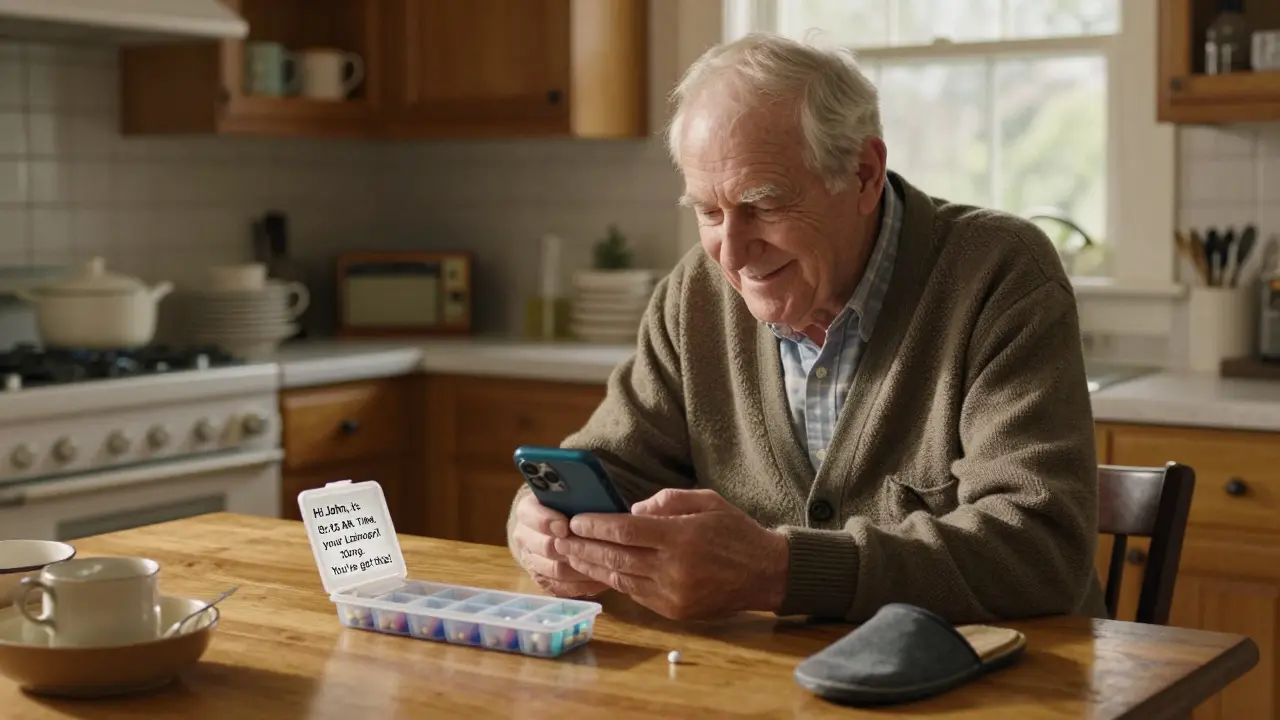
It’s not magic. It’s science. A 2017 study tracked over 1,200 people recovering from heart attacks and found those who got daily text reminders were 14% more likely to take their meds than those who didn’t. That’s not a small boost-it’s the difference between staying healthy and ending up back in the hospital. The reason? Human memory is unreliable. We forget birthdays. We lose keys. We miss pills. Text reminders cut through the noise. They’re immediate, personal, and impossible to ignore if your phone is nearby. Unlike alarms on smartwatches or pill boxes with flashing lights, texts reach you where you already are-on your phone, scrolling through social media, checking emails, or just trying to get through your day. But here’s the catch: not all text reminders are created equal. Generic messages like “Take your medicine” don’t cut it. People tune them out. A 2021 review found personalized messages increased adherence by up to 30% compared to one-size-fits-all alerts. That means including your name, the exact name of the pill, and the time you’re supposed to take it. Something like: “Hi Sarah, it’s 8:15 AM. Time to take your Lisinopril 10mg. You’ve got this!”What Type of Medications Benefit Most
Text reminders aren’t equally effective for every condition. They shine brightest when timing matters most. For HIV treatment, where missing even one dose can lead to drug resistance, text reminders have been shown to improve adherence by over 70% in multiple studies. The same goes for tuberculosis-where missing doses can lead to deadly, drug-resistant strains. In both cases, daily texts have saved lives. For heart disease, diabetes, and high blood pressure, the results are mixed but still promising. One study found patients on antihypertensive meds who got daily texts were twice as likely to keep their blood pressure under control. Another showed a 22% drop in missed doses among diabetics who received personalized reminders. But here’s where it gets tricky. A major 2023 trial involving over 9,500 heart patients found no significant improvement in medication refills after a full year-even with smart, personalized texts. Why? The researchers think it’s because people with heart disease often take multiple pills, and reminders alone don’t fix the bigger problem: confusion about what to take, when, and why. So if you’re on a simple regimen-one or two pills a day-text reminders can be a game-changer. If you’re on five or more, you might need more than just a text.How to Set Up Your Own Text Reminder System
You don’t need a fancy app or a tech degree. Here’s how to get started:- Pick your meds. Start with the ones you miss most. Is it your morning blood pressure pill? Your nighttime sleep aid? Focus on one or two first.
- Choose your time. Set the text to go off 15-30 minutes before your usual pill time. Too early? You’ll forget. Too late? You’ll already be late. Studies show the sweet spot is within two hours of when you’re supposed to take it.
- Make it personal. Use your name, the pill’s name, and the dose. Example: “Hi Mark, 8:00 AM: Take 5mg Metoprolol. You’re doing great!”
- Set the frequency. Daily for new prescriptions or critical meds. Weekly for maintenance drugs like cholesterol pills. Too many texts? You’ll turn them off. One a day is usually enough.
- Use a free tool. If you’re doing this yourself, use your phone’s built-in calendar or task app. Set a recurring reminder and label it as a text. Or use free apps like Medisafe or MyTherapy-they sync with your phone and send automated texts. No cost, no hassle.
What to Avoid
Text reminders are powerful, but they can backfire if done poorly.- Don’t send too many. After 3-6 months, people start ignoring them. If you’re getting 5 texts a day, you’ll tune out. Keep it simple.
- Don’t use vague language. “Take your meds” doesn’t work. “Take your Lisinopril” does. Be specific.
- Don’t forget timing. Sending a text at 11 PM for a 7 AM pill? That’s useless. Match the time to your routine.
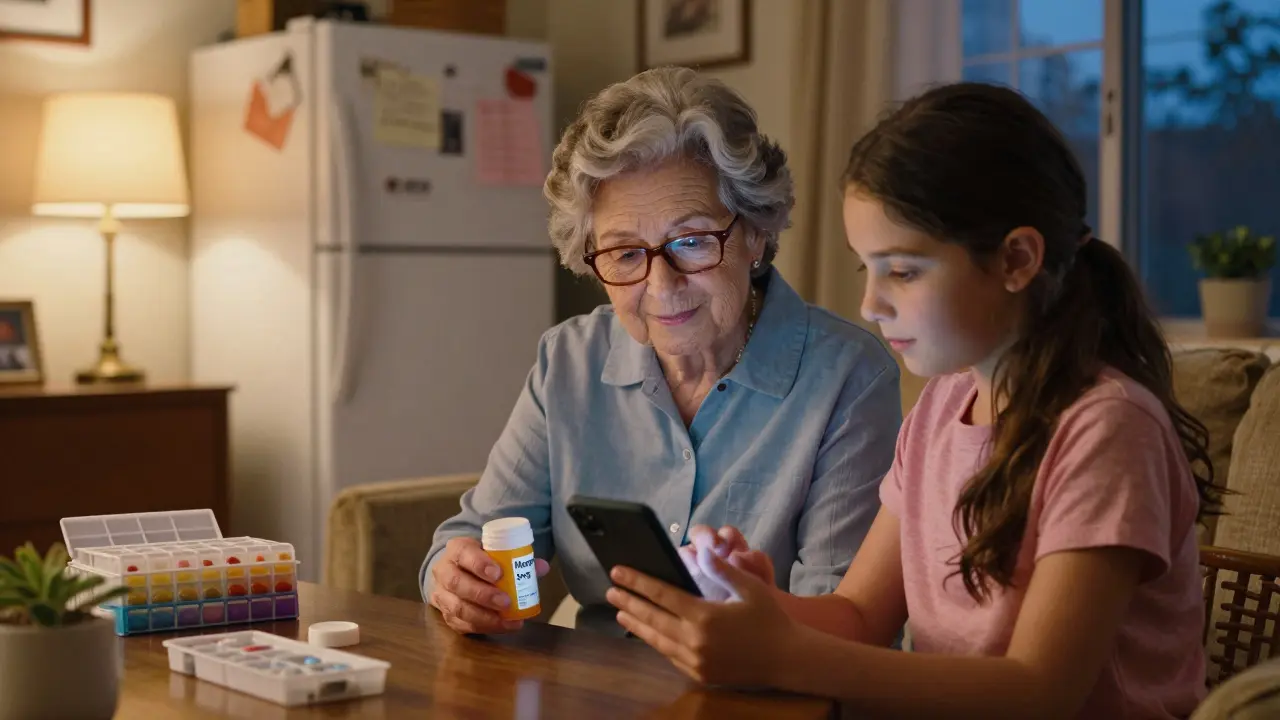
- Don’t assume everyone has a phone. Text reminders don’t work for people without reliable mobile access. If you’re helping an elderly relative, check if they’re comfortable with texting before setting it up.
What the Experts Say
Dr. Kevin Volpp, who led the 2023 study that found mixed results, warns that reminders alone aren’t enough for complex conditions. “People don’t forget because they’re lazy,” he says. “They forget because they’re overwhelmed.” Dr. Timothy Bickmore, who studied heart patients in 2017, disagrees. He says the difference was context. His patients got texts in addition to in-person rehab sessions. The reminder wasn’t the whole solution-it was part of a bigger support system. The takeaway? Text reminders work best when they’re not the only tool. Pair them with:- A pill organizer
- A weekly check-in with a family member
- A pharmacy refill alert
- A simple chart you stick on the fridge
Real People, Real Results
On Reddit, users share stories that prove this works. One person wrote: “I used to miss 3 doses a week. After setting up Medisafe’s texts, I went from 70% adherence to 95%. My BP is finally stable.” Another: “My mom has diabetes. I set up texts for her insulin. She says it’s the only thing that made her actually take it on time.” But not everyone sticks with it. A 2021 survey found 23% of users stopped using text reminders after six months because the timing felt off or the messages became annoying. That’s why customization matters. If you’re getting texts at 6 AM but you don’t take your pill until noon, change it. If you’re getting 3 texts a day, cut it to one. Make it fit your life.What’s Next for Text Reminders
The future isn’t just about sending more texts. It’s about making them smarter. New systems are starting to use AI to predict when you’re likely to miss a dose. If you haven’t refilled your prescription in 10 days? You get a text: “Your Lisinopril is running low. Want us to send a refill request?” Some programs now let you reply to the text. “Took it!” or “Forgot.” That feedback helps clinics spot patterns before you end up in the ER. But here’s the reality: for now, the best system is still the simplest one. A text. At the right time. With your name on it.Start Today
You don’t need permission. You don’t need a doctor’s note. If you’re struggling to remember your meds, set up a text reminder right now. Open your phone’s reminder app. Type: “Take [medication name] at [time].” Set it for tomorrow. Repeat daily. That’s it. No app download. No subscription. No cost. It’s not a cure-all. But for millions of people, it’s the difference between getting better-and getting sicker.Can text message reminders replace pill organizers?
No, they don’t replace pill organizers-they complement them. A pill organizer helps you see what to take. A text reminder tells you when to take it. For best results, use both. Many people who miss doses say they forget because they didn’t see the pill in the tray. A text adds the timing cue they need.
Are text reminders HIPAA-compliant?
Simple reminders that don’t include medical details (like “Take your pill”) are generally considered low-risk and exempt from strict HIPAA rules. But if your clinic sends texts with your diagnosis, dosage, or lab results, they must use encrypted platforms. Never reply with personal health info to unverified numbers. If you’re unsure, ask your provider how they protect your data.
What if I don’t have a smartphone?
You don’t need a smartphone. Any mobile phone that can receive SMS texts will work. Even basic flip phones can get reminders. The key is having a working number and reliable service. If you’re worried about costs, ask your pharmacy or clinic-they often offer free reminder services through partner platforms that work on any phone.
How long should I keep using text reminders?
Long-term. Studies show the biggest drop in adherence happens after 6-12 months, not because the system stops working, but because people stop paying attention. Keep the texts going-even if you think you’ve got it under control. Many people who stopped reminders later admitted they started missing doses again. Make it a habit, not a temporary fix.
Can I use text reminders for someone else, like a parent?
Yes, and it’s one of the most effective ways to help older adults stay on track. You can set up the reminders on their phone, or have them sent to your phone so you can check in. Many clinics offer family-friendly options where a caregiver receives a copy of the reminder. Just make sure the person you’re helping is okay with it-privacy matters.
Rob Turner
February 12, 2026 AT 03:17christian jon
February 13, 2026 AT 05:44Autumn Frankart
February 14, 2026 AT 11:20Pat Mun
February 15, 2026 AT 22:40Skilken Awe
February 16, 2026 AT 17:11andres az
February 17, 2026 AT 06:06Alyssa Williams
February 18, 2026 AT 11:11Jack Havard
February 20, 2026 AT 04:38Gloria Ricky
February 20, 2026 AT 12:35Stacie Willhite
February 21, 2026 AT 23:24