
Liquid Biopsy: How Circulating Tumor DNA Is Changing Cancer Monitoring
 Dec, 25 2025
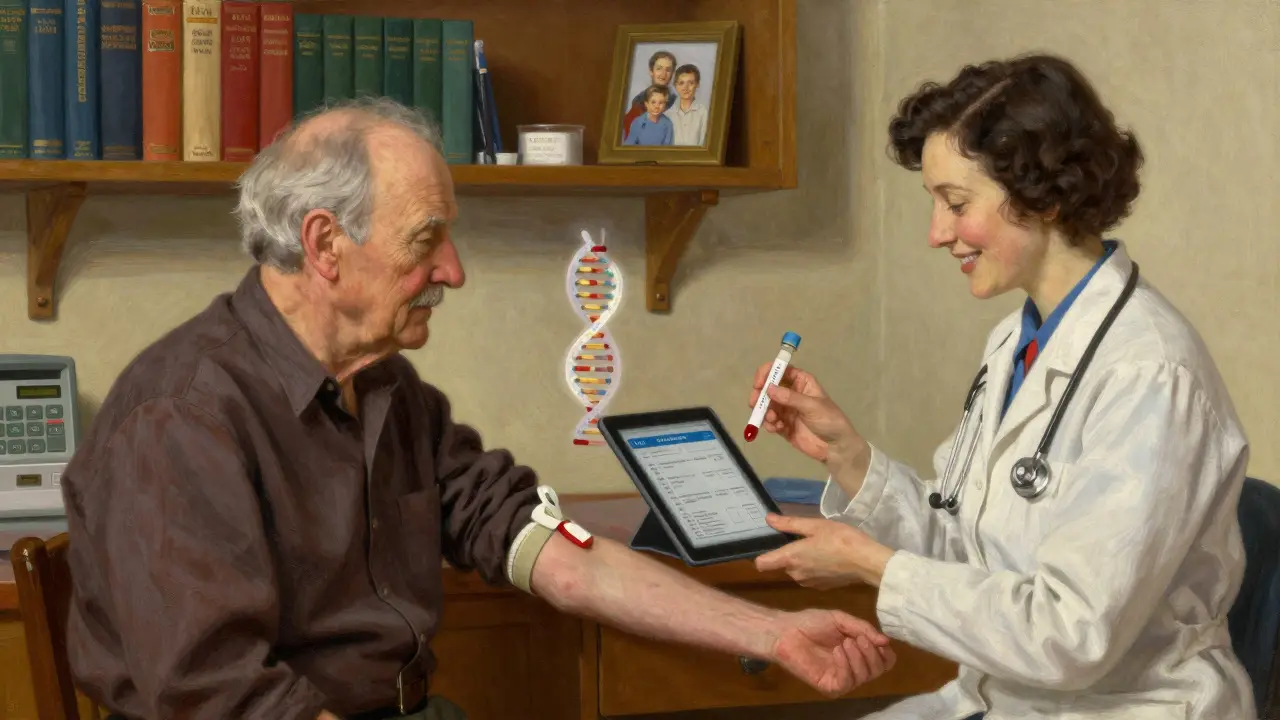
For years, checking if cancer was growing or responding to treatment meant sticking a needle into a tumor - often in a risky, painful, and sometimes impossible location. A single tissue biopsy gave a snapshot of one spot in one moment, missing the bigger picture. But now, a simple blood draw is doing what surgery once could not: tracking cancer in real time, catching resistance before it shows up on a scan, and spotting recurrence months before symptoms appear. This isn’t science fiction. It’s circulating tumor DNA - or ctDNA - and it’s reshaping how cancer is monitored today.
What Is Circulating Tumor DNA?
Circulating tumor DNA, or ctDNA, is fragments of genetic material shed by cancer cells into the bloodstream. When tumors grow, die, or break apart, they release pieces of their DNA into the blood. These fragments carry the same mutations as the original tumor - the exact genetic mistakes that make cancer cells behave abnormally. Unlike whole cancer cells, ctDNA is tiny, often just 100 to 150 base pairs long, but it’s packed with information.
Scientists can isolate this DNA from a standard blood sample and sequence it using advanced tools like digital droplet PCR (ddPCR) or next-generation sequencing (NGS). These tests can spot a single cancer mutation among 10,000 normal DNA fragments. That’s like finding one wrong letter in a library of 10,000 books. And unlike tissue biopsies, which only sample one area, ctDNA gives a blend of signals from all tumor sites - even those too small or hidden to reach with a needle.
Why Liquid Biopsy Beats Traditional Biopsy
Traditional tissue biopsies are invasive. A lung tumor might require a needle inserted through the chest wall. A brain tumor? Open surgery. Even when possible, they carry risks: bleeding, infection, or damage to nearby organs. About 1 to 5% of patients experience serious complications. And even then, the result is limited. Tumors aren’t uniform. One part might have an EGFR mutation, another a KRAS change. A single biopsy might miss the key driver entirely - up to 30% of molecular alterations go undetected.
Liquid biopsy fixes that. A single blood draw captures genetic diversity across the whole body. It’s also repeatable. You can test weekly, monthly, or every few months without putting the patient through trauma. That’s critical for tracking how cancer evolves under treatment. A tumor might respond at first, then develop a new mutation that makes it resistant. With ctDNA, doctors can see that change weeks before a scan shows tumor growth. In some cases, resistance mutations show up in blood 3 to 6 months before imaging confirms progression.
For patients with metastatic cancer, liquid biopsy has reduced the need for repeat tissue biopsies by 25 to 30%. That’s not just comfort - it’s faster decisions, fewer delays in treatment, and less stress.
How It’s Used in Real-World Cancer Care
Today, liquid biopsy isn’t just research. It’s in clinics. At major cancer centers like MD Anderson, about 35 to 40% of phase I clinical trials now use ctDNA as a biomarker. Oncologists use it for four main purposes:
- Early detection of recurrence - After surgery or treatment, ctDNA can find traces of leftover cancer cells with 85 to 90% sensitivity. In colorectal and breast cancer, it often predicts relapse 6 to 11 months before a scan or symptoms show up.
- Monitoring treatment response - If ctDNA levels drop quickly after starting chemo or targeted therapy, it’s a strong sign the treatment is working. If levels stay high or rise, doctors can switch strategies faster.
- Guiding targeted therapy - In non-small cell lung cancer, ctDNA testing identifies EGFR, ALK, or ROS1 mutations when tissue is too small or unavailable. Studies show it finds targetable mutations in 92% of cases where tissue failed.
- Identifying resistance - When a drug stops working, ctDNA can reveal why. A new EGFR T790M mutation? A MET amplification? These changes tell doctors exactly which next-line drug to try.
It’s also helping with tricky cases like pseudo-progression - when immunotherapy makes tumors look bigger on a scan because of immune cell infiltration, but the cancer is actually shrinking. ctDNA levels drop during this phase, confirming the treatment is working even when scans look bad.
Limitations and Challenges
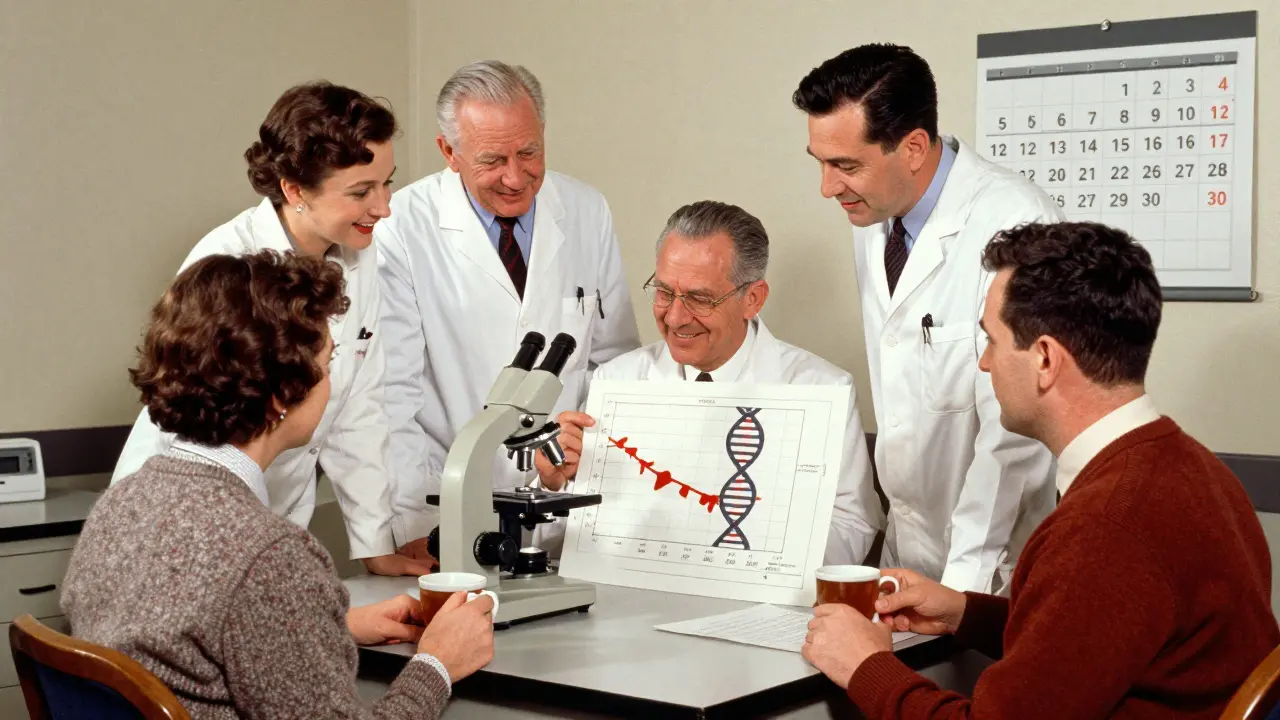
But liquid biopsy isn’t perfect. It doesn’t work equally well for all cancers. Tumors that shed little DNA - like some brain tumors, prostate cancers, or slow-growing blood cancers - often give false negatives. Detection rates for stage I cancers range from 50 to 70%, compared to 80 to 90% for stage IV. That’s because early tumors are small and release less DNA.
Another problem? Noise. Not every mutation in the blood comes from cancer. Aging causes harmless mutations in blood cells - a condition called clonal hematopoiesis. It affects 10 to 15% of people over 65 and can mimic tumor mutations. Labs now use special filters to spot these, but misinterpretation still happens in 15 to 20% of reports.
Then there’s standardization. Different labs use different blood tubes, processing times, and sequencing methods. In multicenter studies, up to 25% of results vary between labs because of these pre-analytical differences. That’s why guidelines now stress using FDA-approved tests like Guardant360 CDx or FoundationOne Liquid CDx when possible.
What’s Next: Methylation, Fragmentomics, and AI
The future of ctDNA isn’t just about mutations. Scientists are now looking at how the DNA is packaged. Tumor DNA has unique methylation patterns - chemical tags that turn genes on or off. These patterns often appear before mutations and can help detect cancer even when no clear mutation is present. Combining mutation analysis with methylation boosts detection sensitivity by 20 to 30%.
Fragmentomics - studying the size and shape of DNA fragments - is another breakthrough. Cancer DNA breaks differently than healthy DNA. AI models trained on these patterns can now predict cancer origin and stage with high accuracy. At MD Anderson, early AI tools have improved diagnostic accuracy by 15 to 20% just by analyzing how ctDNA fragments are sized.
Multi-analyte tests - combining ctDNA, methylation, fragment patterns, and even tumor-educated platelets - are coming fast. Early data suggests these could detect stage I cancers with over 95% accuracy. That’s the holy grail: catching cancer early, before it spreads, using just a blood test.

Who Gets Tested and When?
Currently, liquid biopsy is most often used in:
- Patients with advanced non-small cell lung cancer, especially when tissue is insufficient
- Those with metastatic colorectal cancer for KRAS/NRAS/BRAF testing
- Women with metastatic breast cancer to monitor ERBB2 (HER2) status
- Patients after surgery for high-risk cancers like stage II/III colorectal or melanoma, to detect minimal residual disease
Testing frequency depends on the situation. During active treatment, blood draws every 4 to 8 weeks are common. After treatment, surveillance testing happens every 3 to 6 months. For high-risk patients, some centers now test every 3 months - even if they feel fine.
Insurance coverage is improving. Medicare and many private insurers now cover FDA-approved ctDNA tests for specific cancers. But in community clinics, adoption is slower - only 25 to 30% offer it, compared to 60 to 70% at academic centers. Cost and lack of expertise in interpreting results are the main barriers.
The Bottom Line
Liquid biopsy isn’t replacing tissue biopsy - yet. But it’s becoming the go-to tool for monitoring. It’s faster, safer, and more informative. For patients, it means fewer invasive procedures. For doctors, it means smarter, real-time decisions. And for cancer as a whole, it’s turning a once-static diagnosis into a dynamic, trackable disease.
In five to seven years, experts predict ctDNA monitoring will be standard for most advanced cancers. It could cut unnecessary scans by 20 to 25%, reduce treatment delays, and help match patients to the right drug at the right time - before resistance takes hold. The blood test isn’t just a new tool. It’s a new way of thinking about cancer: not as a fixed enemy, but as a changing target - and one we can now follow, in real time, with a single tube of blood.
Can liquid biopsy detect cancer early?
Yes, but not reliably for all cancers yet. For early-stage cancers (Stage I), detection rates range from 50% to 70%, depending on the type. Cancers like colorectal and lung shed more ctDNA and are easier to detect early. Brain tumors and some blood cancers are harder. New methods combining ctDNA with methylation and fragment analysis are pushing sensitivity toward 95% in trials, but these aren’t widely available yet.
Is liquid biopsy better than a PET scan?
They do different things. PET scans show where tumors are physically located and how active they are metabolically. Liquid biopsy shows what’s happening genetically inside the tumor. A PET scan might show a tumor shrinking, but ctDNA can tell you if it’s still resistant to treatment. ctDNA often detects recurrence months before a PET scan picks it up. They’re best used together.
Can liquid biopsy replace a tissue biopsy entirely?
Not yet for diagnosis. Tissue biopsy is still the gold standard for confirming cancer exists and determining its type and grade. But for monitoring, especially in metastatic cases, liquid biopsy often replaces the need for repeat tissue biopsies. It’s now recommended by NCCN and ASCO as an alternative when tissue is hard to get or insufficient.
What does a rising ctDNA level mean?
A rising ctDNA level usually means the cancer is growing or becoming resistant to treatment. It can appear weeks or months before a tumor shows up on a scan. Doctors use this to switch therapies early - before the cancer spreads further. But it’s not always clear-cut. Inflammation or other conditions can sometimes cause small, temporary spikes. That’s why trends over time matter more than a single result.
Are liquid biopsy tests covered by insurance?
Yes, for specific uses. Medicare and most private insurers cover FDA-approved ctDNA tests like Guardant360 CDx and FoundationOne Liquid CDx when used for advanced non-small cell lung cancer, metastatic colorectal cancer, or breast cancer - especially when tissue is insufficient. Coverage for early detection or surveillance is still limited and often requires prior authorization.
Natasha Sandra
December 25, 2025 AT 22:26OMG this is literally the future 🥹 I had my aunt go through 3 biopsies for lung cancer last year-each one was a nightmare. Now they just draw blood? I’m crying. This is so much kinder. 💕
Erwin Asilom
December 26, 2025 AT 06:42The clinical utility of ctDNA monitoring is well-documented in peer-reviewed literature, particularly in NSCLC and metastatic CRC. The sensitivity and specificity thresholds for actionable mutations exceed 90% in validated assays like Guardant360 CDx. This represents a paradigm shift from anatomical to molecular surveillance.
roger dalomba
December 27, 2025 AT 02:19Wow. A blood test that does everything. Next they’ll invent a pill that cures gravity.
Brittany Fuhs
December 27, 2025 AT 23:17They say it’s revolutionary but let’s be real-this tech is only accessible in fancy hospitals. In real America, people still get stuck with needles because insurance won’t cover it. And don’t get me started on how they’re skipping the basics to chase sci-fi solutions.
Fabio Raphael
December 28, 2025 AT 11:09I’ve seen this in my dad’s oncology visits-he’s got stage IV colon cancer. The first time they did the liquid biopsy, he cried because he didn’t have to go under the needle again. But I’m curious-how often do false positives mess with treatment decisions? I’ve read about clonal hematopoiesis being tricky.
Amy Lesleighter (Wales)
December 28, 2025 AT 18:59It’s not magic. It’s science. Cancer changes. Our tools should too. Blood test > needle. Simple. And yeah, it’s not perfect-but it’s better than waiting till you’re in pain to find out it’s worse.
Becky Baker
December 29, 2025 AT 16:39Why are we letting big pharma control this? If this was made in America, it’d be cheaper. Why are we paying $5k for a blood test when it’s just DNA? This is a scam.
Rajni Jain
December 30, 2025 AT 00:34My sister in India got her first ctDNA test last month-she’s in Bangalore, not New York. The lab used a kit from a global partner. It’s not just for the US. This tech is spreading. And honestly? It’s giving hope to people who thought they had no options.
Sumler Luu
December 30, 2025 AT 17:06Just want to say-thank you for writing this with such clarity. I’m a nurse, and I’ve seen patients scared of biopsies for years. This gives them real relief. The limitations are real, but the progress? It’s quiet, but it’s huge.