
Medication Alternatives: What to Do During a Drug Shortage
 Dec, 18 2025
When your regular medication runs out and no pharmacy has it in stock, it’s not just inconvenient-it’s dangerous. In 2025, over 258 active drug ingredients were in short supply across the U.S. and Australia, with many shortages lasting over two years. Insulin, antibiotics like amoxicillin, chemotherapy drugs, and even basic pain relievers like acetaminophen injections have all hit critical lows. You’re not alone if you’ve spent hours calling pharmacies, only to hear "out of stock" again. But there are real, proven ways to get through this without risking your health.
Check the FDA Drug Shortage Database First
Before you panic, go to the FDA Drug Shortage Database. It’s free, updated daily, and lists every active shortage with approved alternatives. For example, when Semglee (a biosimilar insulin) ran out in March 2025, the database flagged Lantus as a direct substitute-no new prescription needed. That’s because Semglee is FDA-approved as interchangeable with Lantus. Many people didn’t know this and wasted days searching for the exact brand. The database also tells you if a shortage is temporary or long-term, and which manufacturers are affected. Bookmark it. Check it every time you refill a prescription.Ask Your Pharmacist-Really
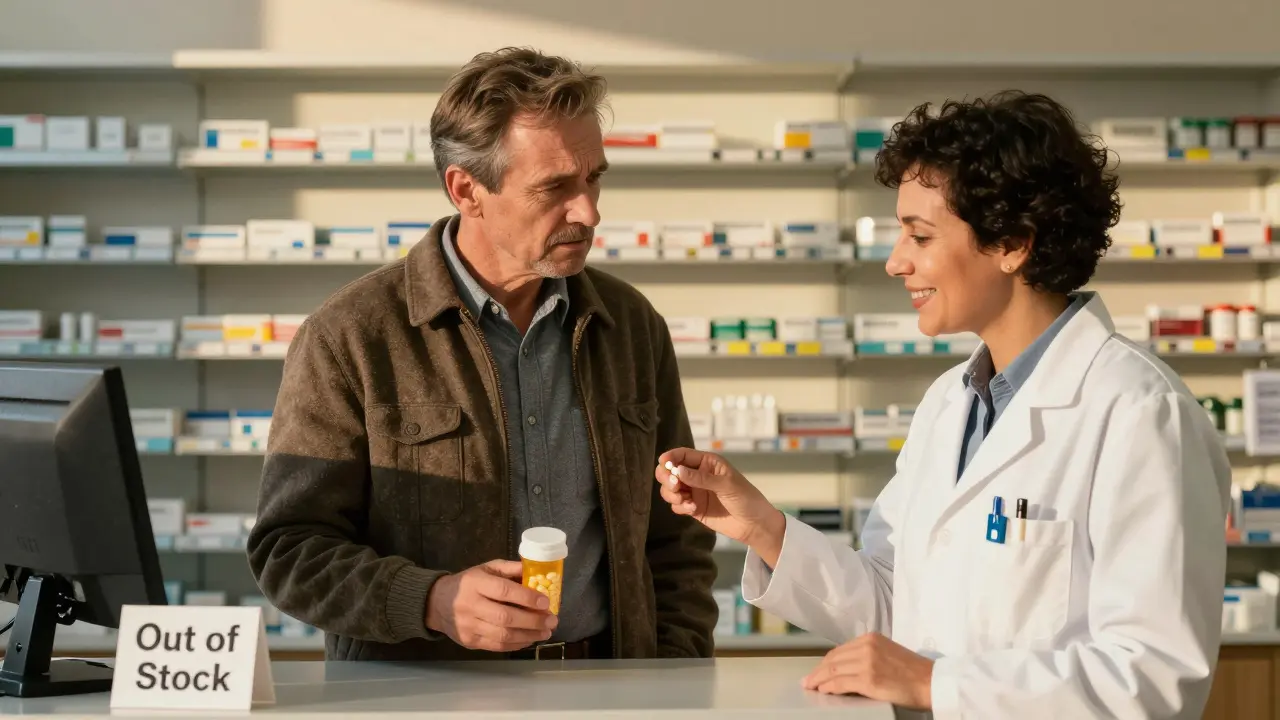
Pharmacists aren’t just the people who hand you pills. They’re trained to find workarounds. In 2025, 89% of major pharmacy chains in the U.S. and Australia started offering dedicated shortage navigation services. Walk in or call and say: "I need my [drug name], but I’ve been told it’s out. What else works?" They’ll check inventory across multiple locations, including mail-order partners, and often know which nearby pharmacies have stock before it’s listed online. Some even have direct lines to manufacturers for estimated restock dates. One patient in Brisbane tracked down insulin after three pharmacies said no-her pharmacist called a regional distributor and found a shipment arriving the next day.Therapeutic Substitution Isn’t Always Risky
You might hear "alternatives" and think it’s dangerous. But many drugs have approved therapeutic substitutes. For example:- If amoxicillin is gone, azithromycin can be used for certain bacterial infections-but only if your doctor confirms it’s safe for your case.
- For high blood pressure, if lisinopril is unavailable, enalapril or losartan are often equally effective.
- For depression, if fluoxetine is out, sertraline or citalopram may be substituted based on your history.
Don’t Stop Taking Your Medication
A 2025 survey by the Sterling Institute found that 32% of patients stopped their meds during shortages. That’s the biggest mistake you can make. Stopping insulin, blood thinners, or seizure meds can cause life-threatening reactions. If you can’t find your drug, call your doctor immediately. They might adjust your dose, switch you to a different formulation (like a pill instead of an injection), or prescribe a temporary alternative. One diabetic father in Texas spent three days calling seven pharmacies for Semglee. He didn’t stop his insulin-he switched to Lantus with his doctor’s approval and stayed safe. Don’t wait until you’re in crisis.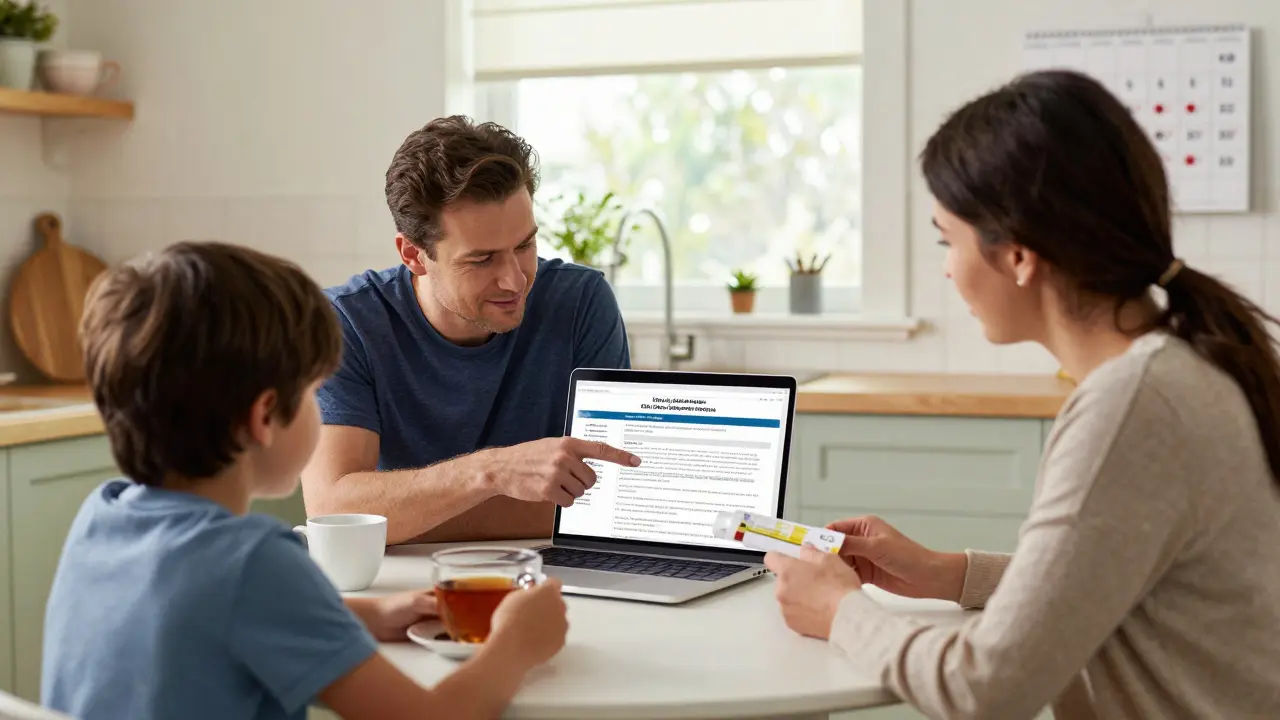
Use Mail-Order and Specialty Pharmacies
Big retail chains often run out. But mail-order pharmacies and specialty providers have larger stockpiles and better supply chains. If your insurance covers it, switch to a mail-order service for chronic meds like insulin, thyroid pills, or antidepressants. Many offer 90-day supplies, reducing how often you need to refill. During the GLP-1 weight loss drug shortage (2022-2025), patients who used mail-order services got consistent access while others waited months. Some insurers even waived copays for these alternatives during shortages. Ask your pharmacy or insurer: "Do you have a mail-order option for my medication?"Know Your State’s Shortage Rules
Laws vary. In Hawaii, Medicaid started allowing foreign-approved drugs during shortages in 2025-meaning a drug approved in Canada or the EU could be legally dispensed if the U.S. version wasn’t available. New Jersey proposed letting pharmacists hand out emergency insulin without a prescription. California and New York stockpile critical drugs like abortion medications and chemotherapy agents. Even if you’re not in one of these states, ask your pharmacist: "Are there any state-level programs that help with drug shortages?" You might be eligible for help you didn’t know existed.Track the Supply Chain-And Contact Manufacturers
Sometimes, the shortage isn’t about demand-it’s about a single factory shutting down. Eighty-five percent of generic drugs come from just five manufacturers. If one has a quality issue, the whole supply chain breaks. Companies like Pfizer and Eli Lilly often post shortage updates on their websites. During the amoxicillin shortage, Pfizer published a timeline: "Production resumes in June 2025." That let patients plan. Call the manufacturer’s patient help line. Ask: "When will [drug name] be available again?" They may give you a date, a replacement suggestion, or even free samples.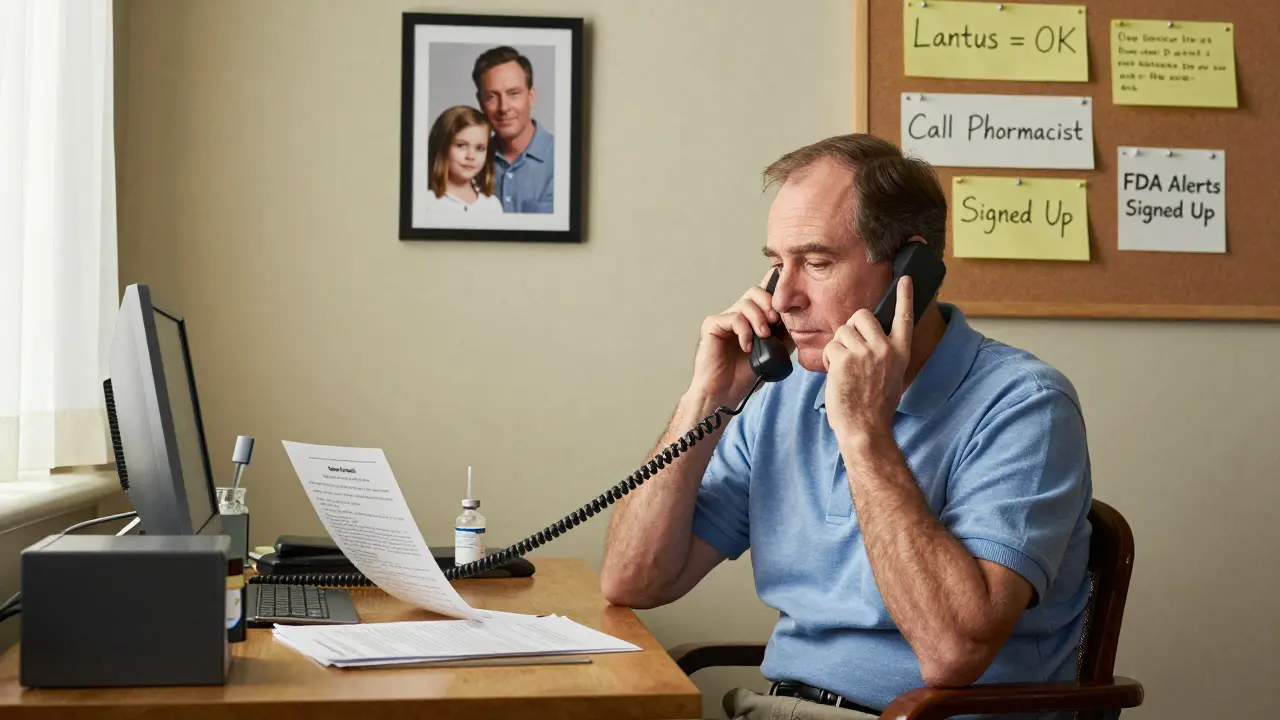
What About Biosimilars?
Biosimilars are near-identical versions of complex biologic drugs-like insulin or autoimmune treatments. They’re cheaper and often approved as interchangeable, meaning they can be swapped without a new prescription. Semglee and Lantus are a perfect example. But not all biosimilars are interchangeable. Check the FDA’s list. If your drug has an interchangeable biosimilar, ask your doctor if you can switch. It’s safe, legal, and saves money. Many patients assume biosimilars are "inferior," but they’re rigorously tested. During the 2025 sarilumab shortage, patients who switched to biosimilars saw no drop in effectiveness.When All Else Fails: Talk to Your Doctor About Delaying or Adjusting
Some drugs can be safely paused or dosed differently. For example, if you’re on a low-dose statin and it’s unavailable, your doctor might increase the dose of a different statin temporarily. Or if you’re on a monthly injectable, they might switch you to a daily pill for a few weeks. This isn’t ideal-but it’s safer than stopping. One cancer patient in Melbourne had her chemotherapy drug delayed by six weeks. Her oncologist adjusted her treatment schedule to use a different agent in the meantime. She stayed in remission. Don’t assume there’s no option. Your doctor has more tools than you think.Prepare for Next Time
Don’t wait for the next shortage to act. Build a plan:- Keep a list of all your meds, doses, and generic names.
- Ask your doctor now: "If [drug] runs out, what’s the next best option?" Get it in writing.
- Sign up for email alerts from the FDA Drug Shortage page.
- Consider keeping a 30-day backup supply if your insurance allows it.
- Know your pharmacy’s policy on emergency refills.
What should I do if my insulin is out of stock?
First, check the FDA Drug Shortage Database to see if your brand is listed. If Semglee is unavailable, Lantus is often an approved interchangeable substitute-no new prescription needed. Contact your pharmacist to find nearby stock or switch to mail-order. Call your doctor to confirm the switch is safe for your condition. Never stop insulin without medical advice.
Can I use a drug approved in another country during a shortage?
In some cases, yes. Hawaii’s Medicaid program allows foreign-approved drugs during shortages, but only with special FDA waivers. Other states are considering similar rules. In Australia, the TGA may permit temporary importation under exceptional circumstances. Always consult your doctor and pharmacist before using any non-local medication. Never buy from unverified online sellers.
Are generic drugs more likely to be in shortage?
Yes. About 90% of U.S. prescriptions are generics, but 85% are made by just five manufacturers. If one factory has a quality issue, the entire supply chain breaks. Complex generics-like injectables or sterile products-are especially vulnerable. That’s why insulin, antibiotics, and chemotherapy drugs often run out first.
How long do drug shortages usually last?
The average shortage lasts over a year. In 2025, 75% of active shortages had lasted more than 12 months, and 58% had been ongoing for two years or longer. Some resolve in weeks, but many persist due to manufacturing delays, regulatory issues, or low profit margins for generic makers.
Can pharmacists substitute my medication without a doctor’s note?
Only if the drug is designated as "interchangeable" by the FDA, like Semglee and Lantus. Otherwise, pharmacists can suggest alternatives, but they can’t legally switch you without a new prescription. Some states, like New Jersey, are pushing laws to let pharmacists dispense emergency insulin without a script-but those aren’t nationwide yet. Always confirm the rules in your area.
Sahil jassy
December 20, 2025 AT 00:53Just wanted to say this post saved my life last year when my insulin ran out. My pharmacist found me Lantus in 20 minutes. You're not alone.
Kathryn Featherstone
December 20, 2025 AT 10:58I’m so glad someone finally laid this out clearly. So many people panic and stop meds. The FDA database is your best friend-bookmark it today.
pascal pantel
December 21, 2025 AT 00:40Let’s be real-the entire pharma supply chain is a rigged casino. Five factories control 85% of generics? That’s not a shortage-it’s collusion. The FDA’s database? A PR stunt. They’re all in bed with Big Pharma. You think they want you to know about interchangeable biosimilars? They want you dependent on the expensive brand. Wake up.
Henry Marcus
December 21, 2025 AT 09:01They’re hiding the truth. The real reason for shortages? The government’s been poisoning the supply chain since 2020 to push you toward biochips and AI prescriptions. Semglee? Lantus? All the same. They’re testing your body’s response to controlled deprivation. I’ve got documents. Ask me.
anthony funes gomez
December 21, 2025 AT 10:15Therapeutic substitution isn’t a workaround-it’s a paradigm shift in pharmacoeconomics. The FDA’s interchangeability designation reflects bioequivalence thresholds established under the BPCIA, not clinical whim. When you conflate brand loyalty with therapeutic efficacy, you’re reinforcing a rent-seeking oligopoly. The structural vulnerability lies in the lack of redundant manufacturing infrastructure, which is a direct consequence of deregulation and vertical consolidation since the 1990s. The solution isn’t just substitution-it’s systemic resilience.
Erica Vest
December 22, 2025 AT 19:36For anyone reading this: always write down the generic name of your medication. It’s the key to finding alternatives. Also, call the manufacturer’s patient assistance line-they often have samples or can direct you to a distributor. I’ve done it twice. It works.
Kinnaird Lynsey
December 24, 2025 AT 11:53Wow. So the guy who thinks the FDA is part of a biochip conspiracy just got upvoted. Meanwhile, the pharmacist who actually saved someone’s life gets ignored. Classic.
Carolyn Benson
December 25, 2025 AT 02:04It’s not about alternatives-it’s about control. The medical-industrial complex doesn’t want you empowered. It wants you dependent. That’s why they push ‘therapeutic substitution’ like it’s a virtue. But you’re being manipulated into accepting inferior care under the guise of pragmatism. What’s next? Mandatory digital prescriptions? Mandatory health surveillance? They’ve already started.
Chris porto
December 26, 2025 AT 12:22My dad’s on insulin. He didn’t know about the FDA database. I showed him. He switched to Lantus last month. No issues. Just a little paperwork. You don’t need a conspiracy theory. You just need to ask.
Chris Davidson
December 28, 2025 AT 06:29Stop wasting time. If your medication is unavailable your doctor should have planned for it. You are responsible for your own health. No one else.
Andrew Kelly
December 29, 2025 AT 17:58Everyone’s missing the point. The real crisis isn’t the shortage-it’s that you believe the system cares whether you live or die. The manufacturers don’t care. The FDA doesn’t care. Your doctor is just a middleman. The only thing that matters is how much you’re worth to them. And right now? You’re a line item.