
Wilson’s Disease: Understanding Copper Accumulation and Chelation Therapy
 Dec, 15 2025
Wilson’s disease isn’t something you hear about often-but if you’ve been told your liver enzymes are high for no clear reason, or you’re dealing with unexplained tremors, mood swings, or trouble speaking, it might be the hidden cause. This rare genetic disorder doesn’t attack because of diet or lifestyle. It’s built into your DNA. A single faulty gene-ATP7B-stops your body from getting rid of copper the way it should. And over time, that copper doesn’t just sit there. It builds up. In your liver. In your brain. In your eyes. Left untreated, it can destroy organs. But here’s the critical part: with the right treatment, most people with Wilson’s disease live normal, full lives.
How Copper Goes Wrong in Wilson’s Disease
Your body needs copper. It’s essential for making red blood cells, keeping nerves healthy, and forming connective tissue. You get it from food-shellfish, nuts, chocolate, organ meats-and your intestines absorb it normally. In a healthy person, the liver takes that copper, binds it to a protein called ceruloplasmin, and sends it where it’s needed. Any extra copper? The liver shunts it into bile and flushes it out through your gut. In Wilson’s disease, that last step breaks down. The ATP7B gene mutation means the liver’s copper transporter doesn’t work. So instead of being excreted, copper piles up inside liver cells. At first, the liver tries to cope by locking copper away with proteins like metallothionein. But once those storage sites fill up-usually after years-copper leaks into the bloodstream. That’s when things get dangerous. Free copper doesn’t care where it goes. It’s drawn to areas with high metabolic activity. The basal ganglia in the brain, which control movement, become saturated. That’s when tremors, stiffness, or trouble swallowing start. The eyes? Copper deposits form a telltale ring around the iris-the Kayser-Fleischer ring. It’s visible only through an eye exam, but it’s one of the clearest signs of advanced disease. The kidneys also get hit, and liver damage can range from mild inflammation to cirrhosis or even acute liver failure.Why Diagnosis Is So Hard-and So Critical
Wilson’s disease is sneaky. It often looks like something else. Many patients are misdiagnosed with autoimmune hepatitis, depression, or even Parkinson’s disease. The average delay in diagnosis? Nearly three years. In children under five, symptoms are even harder to spot. Kayser-Fleischer rings are rare in young kids, and ceruloplasmin levels can be low for reasons unrelated to Wilson’s. Doctors rely on a mix of clues: low ceruloplasmin (below 20 mg/dL), high urinary copper (over 100 μg/24 hours in liver cases), and signs of liver or brain damage. But the real game-changer now is genetic testing. If you have two faulty copies of the ATP7B gene, the diagnosis is confirmed-even if other tests are borderline. That’s why families with a history of unexplained liver or neurological issues should consider testing. Early detection saves lives.Chelation Therapy: How It Works and What to Expect
The goal of treatment is simple: pull copper out of your body without starving it of what it needs. That’s where chelation therapy comes in. Chelators are drugs that bind to copper like a claw and carry it out through urine. The oldest and most common is D-penicillamine. It’s cheap-around $300 a month in the U.S.-but it’s rough. About half of patients feel worse before they feel better. In the first few weeks, neurological symptoms can spike: tremors get worse, speech gets slurred. That’s not a sign the drug isn’t working-it’s the copper being stirred up as it moves out of tissues. Doctors often add zinc to help buffer this effect. Trientine is the next option. It’s gentler on the nervous system and doesn’t cause as many side effects, but it costs over $1,800 a month. Many patients switch to it after a bad reaction to penicillamine. Another option is zinc acetate. It doesn’t pull copper out-it stops your gut from absorbing it in the first place. That makes it ideal for long-term maintenance after the initial copper load is reduced.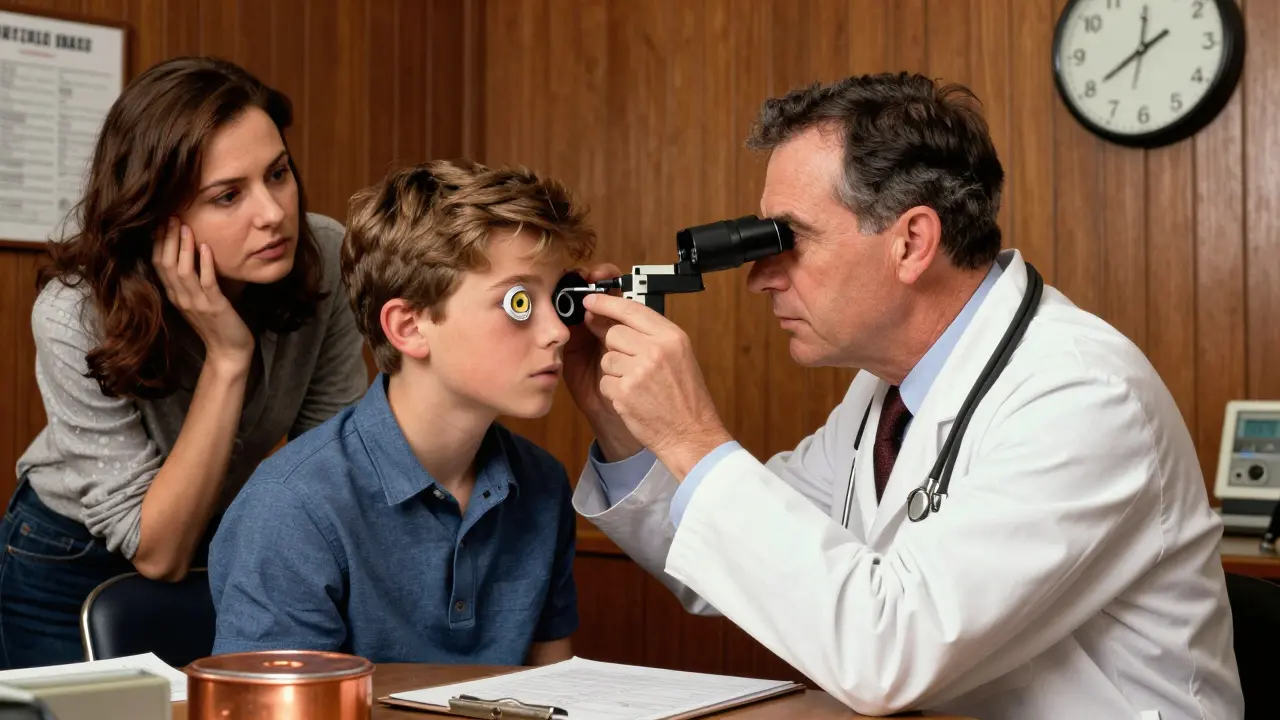
Side Effects and the Daily Reality of Treatment
Living with Wilson’s disease means more than popping pills. It’s a full-time job. D-penicillamine can trigger lupus-like reactions, kidney damage, or even bone marrow suppression. Trientine often causes iron deficiency, so blood counts need regular checking. Zinc can lead to stomach upset and low copper levels if not monitored. And then there’s the diet. Patients are told to limit copper intake to under 1 mg per day. That means avoiding organ meats, shellfish, mushrooms, nuts, chocolate, and even some tap water from copper pipes. Many struggle with this. One patient on a support forum said, “I used to love my peanut butter and lentil soup. Now I read every food label like a scientist.” Medication timing matters too. Most chelators must be taken on an empty stomach-two hours before or after meals. That’s hard to stick to when you’re juggling work, kids, or school. About one in three patients miss doses. And when they do, copper creeps back up.New Treatments on the Horizon
The good news? The field is moving fast. In 2023, a new drug called CLN-1357 showed an 82% drop in free copper with no neurological worsening in early trials. Another, WTX101 (bis-choline tetrathiomolybdate), received breakthrough status from the FDA after a 91% success rate in preventing brain damage-far better than trientine’s 72%. In Europe, Decuprate is already approved for neurological cases because it crosses the blood-brain barrier more effectively than older drugs. And gene therapy? Early trials are injecting a working copy of the ATP7B gene into patients’ livers using harmless viruses. Six patients so far have shown no serious side effects. It’s still experimental, but it’s the first real shot at a cure.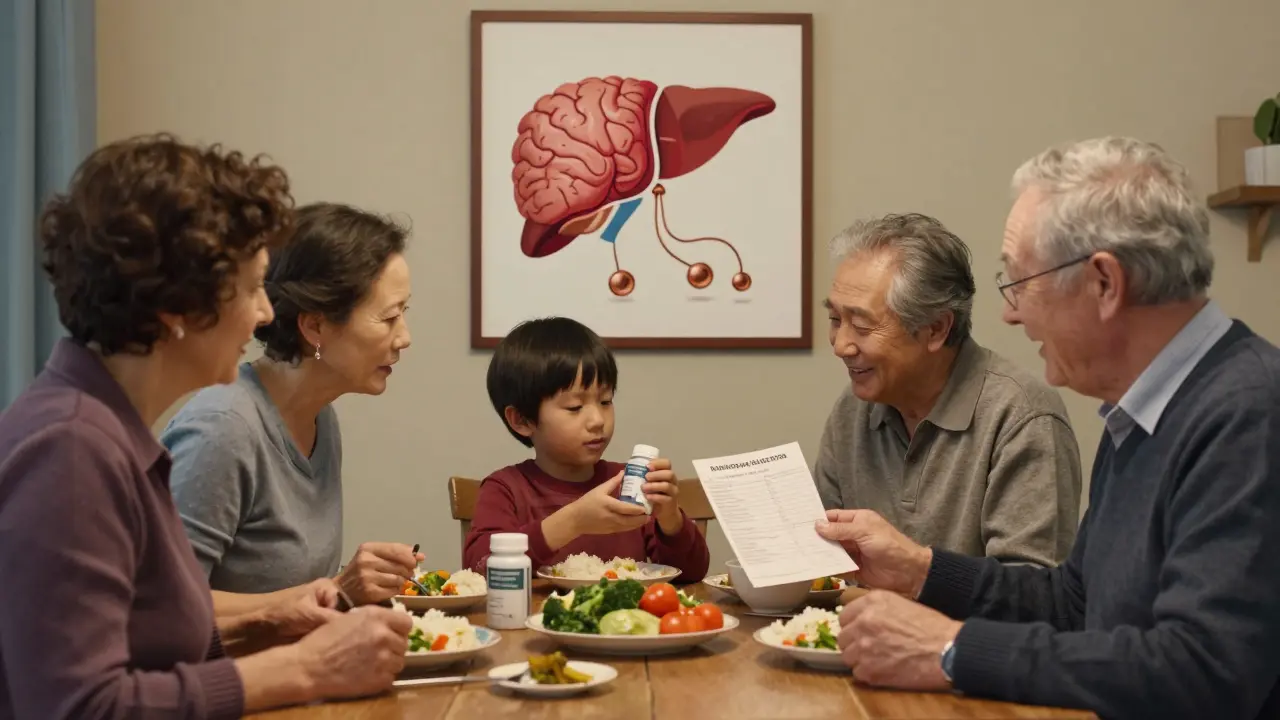
Monitoring: The Lifelong Check-In
You can’t just start treatment and forget about it. Wilson’s disease demands lifelong monitoring. Every three months: liver function tests, serum free copper (target under 10 μg/dL). Every six months: 24-hour urine copper (aim for 200-500 μg/day during maintenance). Eye exams for Kayser-Fleischer rings. Blood counts to catch anemia from trientine. Bone density scans if you’re on zinc long-term. And if you’re pregnant? Treatment must be adjusted. D-penicillamine is risky for the fetus, so many switch to zinc. Your doctor needs to be in sync with your OB-GYN.What Happens If You Don’t Treat It?
Untreated Wilson’s disease is fatal. Liver failure can strike suddenly in teens or young adults. Neurological damage becomes permanent. Speech, movement, and even swallowing can be lost. Some patients end up in a vegetative state. But here’s the key takeaway: if caught early-even before symptoms appear-treatment can stop all of this. One study found that patients diagnosed through family screening and treated before age 10 had the same life expectancy as the general population. That’s not a miracle. It’s science.Final Thoughts: Hope Is Real
Wilson’s disease is rare. But it’s not hopeless. The tools to manage it exist. The knowledge to diagnose it is better than ever. The challenge isn’t finding a cure-it’s finding patients before they’re too far gone. If you or someone you know has unexplained liver issues, neurological symptoms, or a family history of early liver disease or psychiatric problems, ask for a copper test. Don’t wait for a crisis. A simple 24-hour urine test, a blood panel, and an eye exam can change everything. This isn’t a condition you beat once and move on from. It’s a lifelong partnership with your health. But with the right team, the right meds, and the right mindset, you can live without limits.Can Wilson’s disease be cured?
There is no cure yet, but Wilson’s disease can be fully managed with lifelong treatment. With proper chelation therapy and monitoring, patients can live normal lifespans without symptoms. Gene therapy is in early trials and may one day offer a true cure, but it’s not available outside research settings.
Is Wilson’s disease inherited?
Yes. It’s an autosomal recessive disorder, meaning you must inherit two faulty copies of the ATP7B gene-one from each parent. If you have only one copy, you’re a carrier and won’t develop the disease, but you can pass it on. About 1 in 90 people carry the gene.
Can you get Wilson’s disease from eating too much copper?
No. Wilson’s disease is genetic. Eating high-copper foods won’t cause it. But if you already have the gene mutation, eating too much copper can speed up damage. That’s why low-copper diets are part of treatment-not prevention.
What are Kayser-Fleischer rings?
They’re golden-brown or greenish rings around the edge of the cornea, caused by copper deposits. They’re visible only through a slit-lamp eye exam by an ophthalmologist. Found in 95% of people with neurological symptoms, they’re a key diagnostic sign-even if blood tests are unclear.
How often do you need blood and urine tests?
During active treatment, blood tests for liver function and free copper are done every 3 months. Urine copper is checked every 6 months to ensure chelation is working. Once stable, tests may be spaced out to every 6-12 months, but never stopped. Monitoring is lifelong.
Can children be treated the same as adults?
Yes, but doses are adjusted by weight. Zinc is often preferred for children because it’s safer long-term. Penicillamine can be used but carries higher risks of side effects in young patients. Early diagnosis and treatment in kids lead to the best outcomes-often preventing symptoms entirely.
What happens if I miss a dose of my medication?
Missing one dose occasionally won’t cause immediate harm, but consistent missed doses let copper build up again. Over time, that can restart liver or brain damage. If you struggle with the regimen, talk to your doctor about switching to a simpler plan-like switching from penicillamine to zinc, which can be taken with food.
Is Wilson’s disease more common in certain ethnic groups?
No. It affects all ethnicities equally. But diagnosis rates vary by access to care. In low-income countries, delays can exceed five years. In places with better screening and specialist access, diagnosis happens much sooner. It’s not about genetics-it’s about awareness.
jeremy carroll
December 16, 2025 AT 19:57Man, I never knew Wilson’s disease could look like depression. My cousin was diagnosed last year after being written off as ‘anxious’ for 4 years. Now she’s on trientine and actually laughing again. This post is a godsend.
Dwayne hiers
December 18, 2025 AT 03:30For anyone reading this: serum free copper is the real biomarker, not ceruloplasmin. Ceruloplasmin can be falsely low in inflammation, pregnancy, or malnutrition. Always confirm with 24-hr urine copper and genetic testing if suspicion is high. Also, Kayser-Fleischer rings aren’t always visible in pediatric cases - don’t rule it out just because the slit-lamp looks clean.
Sarthak Jain
December 19, 2025 AT 17:04As someone from India, I’ve seen patients here get misdiagnosed as TB hepatitis for years. No one even thinks of Wilson’s unless they’re in a big city hospital. We need more awareness - especially in rural clinics where liver enzymes are just ‘elevated’ and moved on from.
Thomas Anderson
December 20, 2025 AT 14:22So if you’re on zinc, don’t take it with iron supplements. They fight each other. My doc made me space them 4 hours apart. Tiny thing, huge difference.
Alexis Wright
December 22, 2025 AT 05:01Let’s be real - this whole ‘lifelong chelation’ thing is just pharmaceutical capitalism dressed up as medicine. They’ve been selling penicillamine since the 60s. Now they’re pushing $1,800/month trientine and ‘breakthrough’ gene therapies that’ll cost $2M per patient. The real cure? Stop letting corporations control rare disease treatment. The science isn’t new - the greed is.
Sinéad Griffin
December 22, 2025 AT 16:21My sister has this. She’s on zinc now. No more tremors. But she still cries when she sees peanut butter on the shelf. 😔 We had to throw out her whole pantry. It’s not just meds - it’s grief.
Jonny Moran
December 23, 2025 AT 12:45To anyone newly diagnosed: you’re not broken. You’re not a burden. You’re someone who just got handed a complex medical puzzle - and you’re learning how to solve it. That takes courage. Keep showing up. Even on the days you miss a dose. You’re still winning.
Daniel Wevik
December 23, 2025 AT 13:50The ATP7B mutation disrupts copper transport in the trans-Golgi network, leading to impaired ceruloplasmin maturation and defective biliary excretion. This results in progressive hepatic copper overload, oxidative stress via Fenton chemistry, and subsequent mitochondrial dysfunction in hepatocytes and basal ganglia neurons. The clinical heterogeneity stems from residual transporter activity and modifier genes - which is why phenotypes vary even among siblings with identical genotypes.
Wade Mercer
December 24, 2025 AT 23:09People need to stop treating this like it’s just another liver issue. This isn’t ‘bad habits’ or ‘poor diet.’ It’s a genetic time bomb. If you have a family member with unexplained neurological decline or early liver failure - get tested. Not ‘maybe someday.’ Now. Your silence could kill the next person.
Rulich Pretorius
December 26, 2025 AT 00:31There’s a quiet dignity in living with Wilson’s. You don’t shout about it. You don’t ask for pity. You just show up - for your bloodwork, your diet, your meds - and you keep going. That’s the real heroism. Not the drugs. Not the breakthroughs. The daily choice to stay alive.
Edward Stevens
December 27, 2025 AT 05:01So let me get this straight - we have a drug that works better than trientine, costs less, and doesn’t make you worse before better… but it’s called CLN-1357? That’s not a drug name, that’s a rejected sci-fi spaceship.
Natalie Koeber
December 28, 2025 AT 23:50Did you know the FDA approved WTX101 because of pressure from a billionaire’s foundation? They’re hiding the real data. Copper isn’t the problem - it’s the vaccines. The liver can’t process it because the spike proteins are clogging the ATP7B channels. That’s why they’re pushing chelation - to keep you dependent. Don’t trust the system.
Daniel Thompson
December 30, 2025 AT 04:18While I appreciate the clinical overview, I must emphasize that the psychosocial burden of Wilson’s disease is grossly underrepresented in medical literature. The isolation, the stigma of dietary restrictions, the fear of neurological regression - these are not side effects. They are the lived reality. We need more psychosocial support frameworks, not just pharmacological ones.
Rich Robertson
December 30, 2025 AT 13:26Just got back from my 6-month urine test. Copper’s down to 310 μg/day. Still above target, but better than last year’s 780. My doc said I’m doing great. I didn’t cry - but I drove home with the windows down and sang off-key. Small wins.
Tim Bartik
January 1, 2026 AT 12:59America’s healthcare system is a joke. My cousin had to sell her car to afford trientine. Meanwhile, Big Pharma is raking in billions. If this was a cancer drug, we’d have marches in D.C. But it’s a ‘rare’ disease? Then screw you, we’ll let you die quietly. This ain’t medicine - it’s class warfare with a stethoscope.