
OTC Cold and Flu Combinations: How to Avoid Dangerous Double Dosing
 Apr, 28 2026
You wake up with a scratchy throat, a pounding headache, and a nose that won't stop running. Naturally, you grab a multi-symptom cold relief liquid and a few pain-relief tablets to knock out the fever. It seems like the fastest way to feel better, right? Here is the problem: you might have just taken a double dose of the same drug without even knowing it. This isn't just a minor mistake; it's a common pharmaceutical trap that can lead to serious health complications, including acute liver failure.
The core of the issue is that many OTC cold and flu medications is a category of multi-symptom relief products containing two or more active ingredients designed to treat multiple symptoms simultaneously. While they offer the convenience of a single dose, they often hide overlapping ingredients under different brand names. If you aren't careful, you can easily exceed the daily safety limit of a drug like acetaminophen, which is found in a staggering 73% of these combination products.
The Hidden Danger of Overlapping Ingredients
Most people recognize Tylenol as a go-to for pain, but they don't realize that the same active ingredient-acetaminophen-is also the backbone of many "Severe" or "Nighttime" cold formulas. When you combine a standalone pain reliever with a multi-symptom cold medicine, you are effectively doubling your dose. According to the American Association of Poison Control Centers, over 14,000 cases of acetaminophen overdose were linked specifically to the misuse of these cold and flu products in a single year.
It isn't just about pain relievers. You might take a nighttime cold syrup containing doxylamine succinate (an antihistamine that causes drowsiness) and then take a separate allergy pill like Benadryl (diphenhydramine). While these are different chemicals, they both target the same receptors in your brain. Mixing them can lead to extreme sedation, cognitive fog, and a "hangover" effect the next morning that makes driving or working dangerous.
Deciphering the Drug Facts Label
The most effective way to prevent a medication error is to spend two to three minutes reading the Drug Facts label. This isn't just a suggestion; it's your primary safety barrier. You need to look past the flashy "Day/Night" marketing and focus specifically on the "Active Ingredients" section. This section lists exactly what is in the pill and how much of it you are getting per dose.
Keep an eye out for these common abbreviations and aliases that can confuse you:
- APAP: This is a common medical abbreviation for acetaminophen.
- DM: This stands for dextromethorphan, a cough suppressant.
- Paracetamol: This is the international name for acetaminophen. If you bought a product from outside the US, it will likely be listed as this.
If you see "acetaminophen" on two different boxes in your medicine cabinet, pick one and stick with it. Taking a 325mg caplet from a cold formula and then adding 500mg from a standard extra-strength tablet puts you closer to the 4,000mg daily limit faster than you think. Crossing that threshold can cause permanent liver damage.
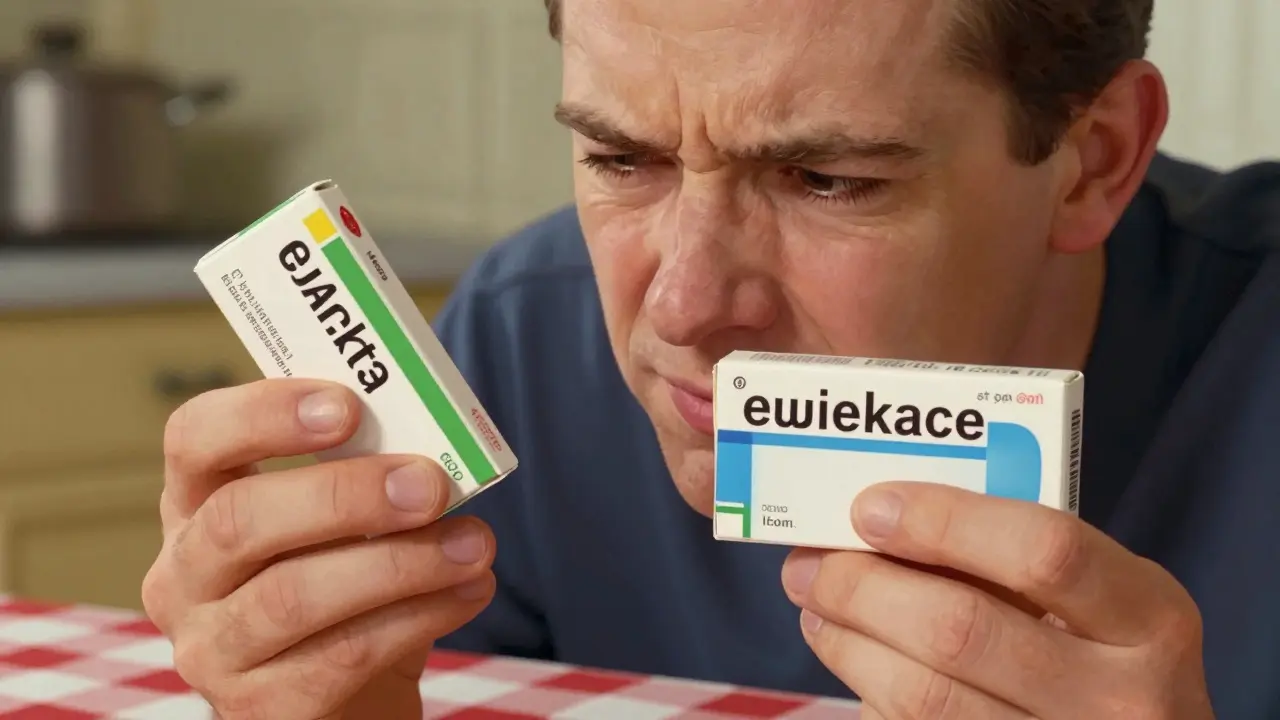
Combination Products vs. Single-Ingredient Alternatives
Pharmaceutical companies market combination products for convenience, but medical experts often disagree with this approach. Why? Because you rarely have every single symptom at the same intensity. If you have a cough and a fever but your nose is perfectly clear, taking a triple-action medicine means you are consuming a decongestant you don't need. This exposes you to unnecessary side effects, such as increased blood pressure from phenylephrine.
| Feature | Combination Products | Single-Ingredient Products |
|---|---|---|
| Convenience | High (One pill for all) | Low (Multiple pills) |
| Dosing Precision | Low (Fixed ratios) | High (Customizable) |
| Double-Dosing Risk | High | Low |
| Side Effect Risk | Higher (Unnecessary drugs) | Lower (Targeted treatment) |
A survey of 1,200 pharmacists revealed that 68% prefer suggesting single-ingredient options. By treating symptoms individually-using a standalone decongestant like pseudoephedrine for your nose and a simple pain reliever for your head-you control exactly what enters your system and avoid the risk of an accidental overdose.
Practical Steps to Stay Safe
Avoiding a medication mistake doesn't require a medical degree, just a bit of a system. First, create a "sick day log." Write down the time you took your medication and exactly which product you used. It is incredibly easy to forget if you took your dose four hours ago when you're feeling foggy and exhausted.
Second, use your pharmacist. Most people just grab a box from the shelf and head to the checkout, but spending five minutes with the pharmacist can save you from a hospital visit. Ask them, "I'm already taking X, is it safe to add Y?" They can identify interactions and overlapping ingredients that you might miss.
Third, be wary of the "Severe" labels. Products labeled as "Severe" or "Max Strength" often contain the highest concentrations of multiple drugs. For example, some nighttime versions contain both a pain reliever and a heavy sedative. If you combine these with a sleep aid or alcohol, the effects can be dangerously synergistic, slowing your breathing to a point that requires emergency intervention.

The Changing Landscape of Cold Medicine
The way we treat the common cold is shifting. For years, phenylephrine has been a staple in almost every OTC decongestant. However, recent regulatory reviews by the FDA have suggested that oral phenylephrine is essentially ineffective at standard doses. This has led to a proposed order to remove it from the OTC monograph entirely. As a result, you'll likely see manufacturers reformulating their products to include more effective ingredients or reducing the number of additives in their combinations.
There is also a growing trend toward "targeted therapy." More consumers are moving away from the all-in-one approach in favor of treating only the symptoms that actually bother them. This shift is reflected in market data, where sales of standalone acetaminophen are growing faster than multi-symptom combinations. It's a move toward safety and efficacy over simple convenience.
How can I tell if two medicines have the same ingredient?
Check the "Active Ingredients" section on the Drug Facts label of every product. Look for the name of the drug (e.g., acetaminophen) and not the brand name (e.g., Tylenol). If the same chemical name appears on both labels, you are taking a double dose of that ingredient.
What is the maximum daily limit for acetaminophen?
For most healthy adults, the general limit is 4,000mg within a 24-hour period. However, many doctors recommend staying below 3,000mg to be safe. Because it is found in so many cold medicines, it is very easy to hit this limit by combining products.
Can I take a "Day" formula and a "Night" formula in the same 24 hours?
Yes, but only if they are designed as a system by the same brand and you follow the timing exactly. Many day/night sets share the same pain reliever (like acetaminophen). If you take a day dose and then take a separate nighttime pain reliever, you may be double dosing.
What should I do if I think I've taken too much?
Contact your local poison control center immediately or go to the emergency room. Acetaminophen overdose is particularly dangerous because you may not feel symptoms until liver damage has already occurred. Early intervention is critical.
Why are single-ingredient medicines considered safer?
They allow you to treat only the symptoms you actually have. This means you aren't taking unnecessary medications that could cause side effects or interact with other drugs you're taking for chronic conditions, such as high blood pressure.
Next Steps for Your Medicine Cabinet
If you're currently feeling under the weather, start by clearing your counter. Lay out every medication you intend to take and line up the labels. If you see the word "acetaminophen" or "APAP" appearing more than once, put all but one of those products away.
For those with chronic health issues-especially liver disease or hypertension-avoid combination products entirely. Consult your doctor to create a "safe list" of single-ingredient medications that won't interfere with your prescriptions. A few extra minutes of planning now can prevent a serious medical emergency later.
Betty Kawira
April 30, 2026 AT 09:05This is such a critical point. I've seen so many people walk into pharmacies and just grab the biggest bottle of 'multi-symptom' stuff without realizing they're already taking a daily painkiller. Pro tip: if you're really sick and foggy, just take a photo of the labels and send them to your pharmacist to double-check before you swallow anything. It's a lifesaver literally.
Kevin Taggart
May 1, 2026 AT 20:39didnt even know about the apap thing... crazy stuff :O
Jarrett Jensen
May 2, 2026 AT 18:10It is quite lamentable that the general populace possesses such a rudimentary understanding of pharmacology that a guide on reading a label is deemed necessary. One would assume that basic literacy and a modicum of caution would suffice to prevent liver failure, yet here we are, treating the public as though they have never encountered a printed list of ingredients before.
Darrin Oneto
May 4, 2026 AT 10:03Man, those multi-symptom brews are a total crapshoot. I always just grab the singel stuff so I dont end up feelin like a zombie from some random additive I didnt even need. Way better to just cherry-pick what actually works for the sniffles.
Abhishek Charan
May 5, 2026 AT 12:26Actually, the obsession with single-ingredient products is completely overrated!!! 🙄 While the risks are present, the convenience of a combo pill is what makes modern medicine accessible for the average working person who doesn't have time to play chemist in their own kitchen!!! Why must we always demonize the most efficient option just to feel superior??? 🤡
prince king
May 6, 2026 AT 05:41It's all about mindfulness and taking care of the temple 🌿✨. When we slow down and actually read what we're putting in our bodies, we're showing ourselves the respect we deserve. Love the advice about the sick day log, that's a great way to stay grounded when the brain fog hits! 😇🙏
Kali Murray
May 6, 2026 AT 14:52i just buy the generic store brand and it works fine lol ✌️
Jonathan Hall
May 8, 2026 AT 14:42I find it absolutely abhorrent that these pharmaceutical conglomerates intentionally obfuscate the ingredients of their products with flashy marketing just to push higher sales volumes, regardless of the potential for liver toxicity, which is a systemic failure of corporate ethics that we should all be shouting from the rooftops until the regulatory bodies actually implement strict labeling laws that cannot be misinterpreted by even the most exhausted patient!
Raymond Lipanog
May 10, 2026 AT 06:31The intersection of consumer convenience and public safety is a complex ethical dilemma. While the desire for a simplified regimen is understandable, the responsibility ultimately rests with the individual to maintain a state of informed consent regarding the substances they ingest.
Stephen Johnson
May 11, 2026 AT 10:37Just a quiet reminder that your body has its own way of healing; sometimes the best medicine is just a long nap and a glass of water. We tend to over-medicate the smallest symptoms because we're afraid of a few days of discomfort, but leaning into the process can be a lesson in patience.
Jenna Riordan
May 12, 2026 AT 00:48I bet most people here don't even check their expiration dates, let alone the active ingredients. I wonder how many of you are actually taking meds that expired three years ago just because they're in the cabinet.