
Why Authorized Generics Look Different From Brand-Name Drugs
 Dec, 26 2025
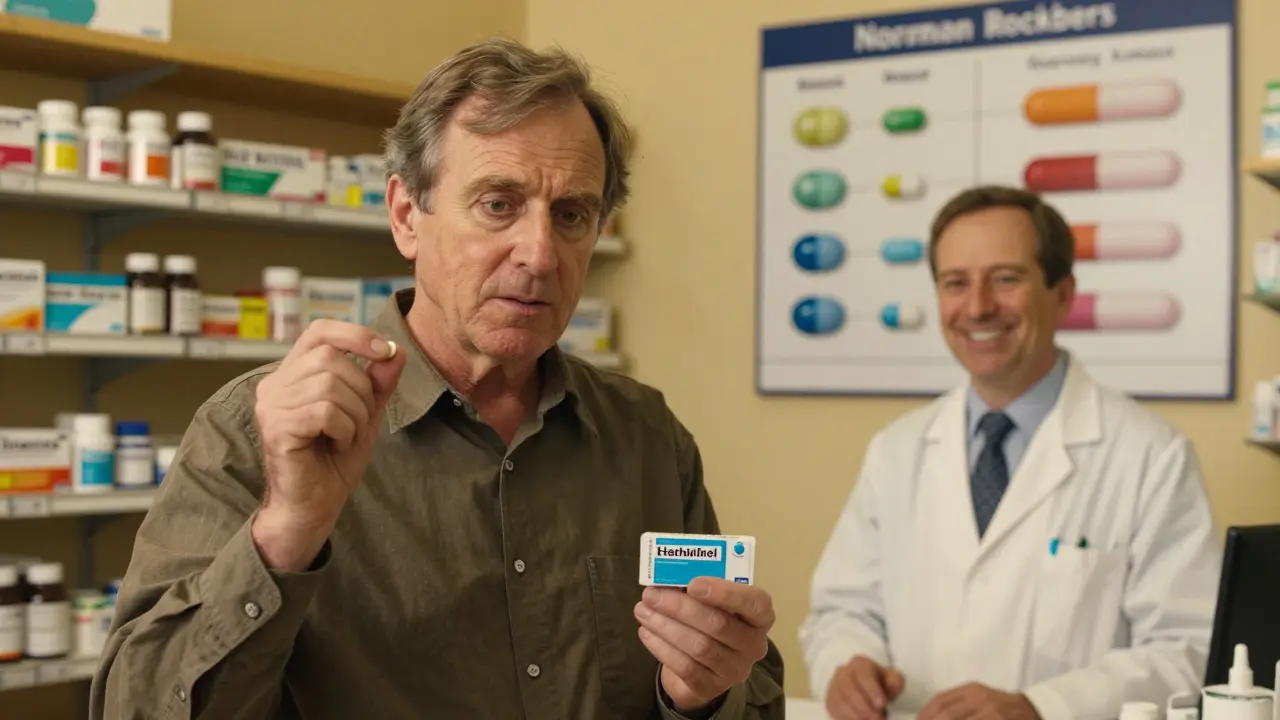
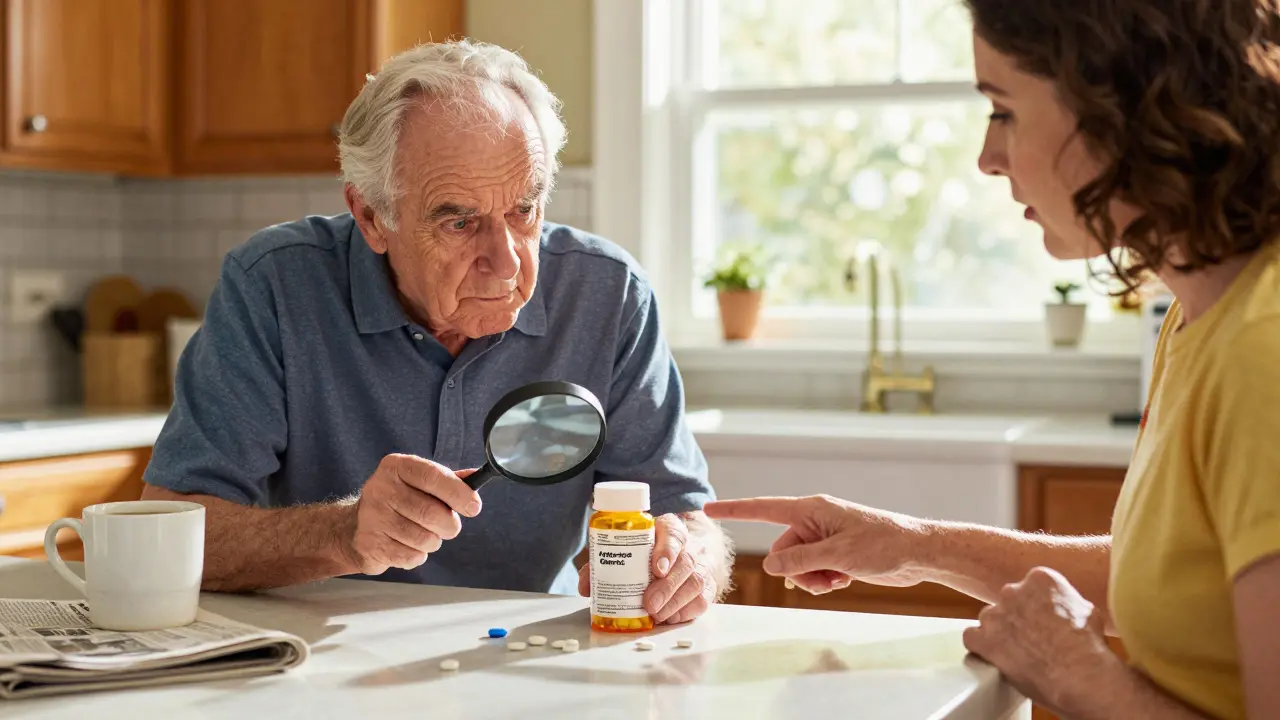
Ever picked up your prescription and thought, ‘This isn’t the same pill I’ve been taking’? You’re not alone. The color’s off. The shape’s different. The imprint doesn’t match. You panic. Did your pharmacy mess up? Is this a fake? Or worse - is it less effective?
Chances are, you got an authorized generic. And no, it’s not a mistake. It’s legal. It’s safe. And it’s exactly the same medicine you’ve been using - down to the last molecule. The only difference? How it looks.
What Exactly Is an Authorized Generic?
An authorized generic is the brand-name drug, sold without the brand name on the label. Same active ingredient. Same inactive ingredients. Same manufacturing process. Same factory. Sometimes, even the same packaging - just without the logo.
The FDA defines it clearly: an authorized generic is identical to the brand-name drug except for the labeling. It’s not a copy. It’s the real thing, repackaged. These drugs exist because the original manufacturer - the company that spent millions developing the drug - also owns or licenses a generic version. They’re not competing against themselves. They’re just selling the same pill under a different name.
For example, if you’ve taken the brand-name drug ProAir HFA for asthma, your pharmacist might hand you a pill that looks completely different - maybe white instead of blue, with a different marking. That’s the authorized generic. It’s made by the same company, using the same formula, in the same facility. The only thing changed is the label.
Why Do They Look So Different?
Here’s the real kicker: U.S. trademark law requires it.
Imagine if two different companies could sell pills that looked exactly the same. One says it’s ‘ProAir.’ The other says it’s ‘Albuterol.’ To a patient, they’d look identical. To a pharmacist, they’d be indistinguishable. That’s a recipe for confusion - and potentially dangerous mistakes.
The FDA’s guidance from 2021 says it plainly: drug products must be visually distinct to prevent medication errors. Even if two pills are chemically identical, they can’t look the same. That’s why every brand-name drug has a unique color, shape, and imprint. And that’s why authorized generics have to change those features too - even if they’re made by the same company.
It’s not about quality. It’s not about cost. It’s about law. Trademark rules protect brand identity, and they apply to drugs just like they do to soda cans or sneakers. If a pill looks exactly like another, it could be mistaken for it. That’s not allowed.
Authorized Generic vs. Regular Generic: What’s the Difference?
This is where things get confusing - and why so many patients mix them up.
Regular generics are made by other companies. They have to prove they’re bioequivalent to the brand-name drug - meaning they work the same way in your body. But they’re allowed to change the inactive ingredients: the dyes, fillers, binders, and coatings. That’s why a regular generic for Lipitor might be yellow and oval, while the brand is blue and diamond-shaped. The active ingredient? Same. The rest? Often different.
Authorized generics? No changes to inactive ingredients. Zero. Not one. They’re the exact same formula. That’s why they’re so valuable for people who have allergies or sensitivities to dyes or fillers. One study found that 4.7% of patients had adverse reactions to inactive ingredients in regular generics - but almost none with authorized generics.
Here’s the breakdown:
- Brand-name drug: Original formula, proprietary look, highest price ($478 for a 30-day supply on average).
- Authorized generic: Same formula, different look, 28.7% cheaper ($341).
- Regular generic: Same active ingredient, possibly different fillers, 42.3% cheaper ($276).
So if you’re sensitive to red dye #40 or lactose, the authorized generic is your safest bet. If you just want the lowest price and don’t care about fillers, the regular generic works fine.
How Common Are Authorized Generics?
They’re growing - fast.
As of late 2023, the FDA listed 178 unique authorized generic products. That’s up from just 89 in 2018. But here’s the catch: only 38.4% of brand-name drugs with generic competition even have an authorized version. That means for most drugs, you’re stuck with regular generics - and their potential ingredient changes.
Why don’t more companies offer them? Because it’s not always profitable. The brand-name manufacturer has to decide: do I make a cheaper version of my own drug and cut into my profits? Or do I let a third party make the generic and take a cut? Many choose the latter. Others, like Pfizer and Teva, have launched ‘appearance continuity programs’ - changing only the color, keeping the shape and imprint the same, to reduce patient confusion.
What Patients Are Saying
On Reddit, a thread titled ‘Authorized generic confusion’ got over 140 comments. Most people said the same thing: ‘I thought I got the wrong medicine.’
One user wrote: ‘My doctor prescribed the brand. I got a white pill instead of blue. I called the pharmacy. They said it was the same thing. I didn’t believe them until I checked the label - it said “authorized generic.” Then I looked up the ingredients. They matched exactly. I’m not worried anymore.’
But not everyone is reassured. A survey by GoodRx found that 25.4% of patients who received authorized generics were upset - not because they didn’t work, but because they didn’t understand why they looked different. That’s a communication failure, not a drug problem.
Pharmacists are spending an extra 1.7 minutes per prescription explaining this. That’s time they don’t always have. Many pharmacies now use visual comparison charts - side-by-side photos of brand-name and authorized generic pills - to help patients see the difference isn’t in the medicine, just the packaging.
What You Should Do
If you get a pill that looks different:
- Don’t panic. It’s probably not a mistake.
- Check the label. Look for the words ‘authorized generic’ or the brand name followed by ‘generic’ - like ‘Albuterol (authorized generic of ProAir).’
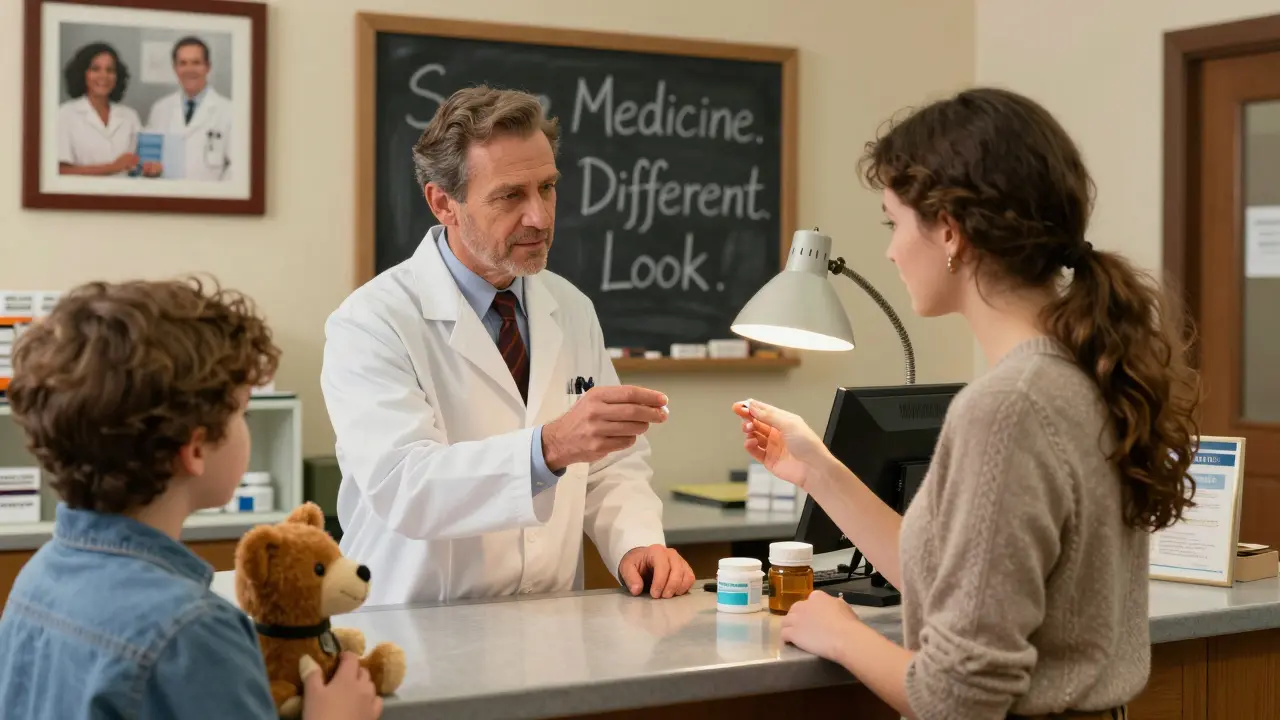
- Ask your pharmacist. ‘Is this an authorized generic?’ They’ll know.
- Compare ingredients. If you’re worried about fillers, ask for the inactive ingredients list. Authorized generics will match the brand-name drug exactly.
- Don’t assume it’s weaker. It’s not. The FDA requires 100% bioequivalence. The pill inside is identical.
If you have allergies, asthma, or sensitivities to dyes or gluten, ask your doctor to specifically prescribe the authorized generic. It’s the only generic version that guarantees the same inactive ingredients.
What’s Changing in 2025?
The FDA plans to start listing authorized generics in the Orange Book - the official database of approved drugs - starting in 2025. Right now, they’re not listed there, which adds to the confusion. Once they are, pharmacists and patients will be able to look them up just like any other drug.
Also, more manufacturers are moving toward ‘appearance continuity’ - keeping the same shape and imprint, only changing the color. That’s a small step, but it helps. If your pill has always been oval with ‘AB 123’ on it, and the authorized generic keeps that shape and imprint, you’re less likely to think you got the wrong thing.
The goal isn’t to make drugs look the same. It’s to make them look predictable.
Final Thought: It’s the Same Medicine. Just Different Packaging.
Think of it like buying a soda. The brand version has the red can with the white logo. The store brand has a blue can with a simple label. Same soda. Same ingredients. Different packaging. You wouldn’t think the store brand is weaker, right?
Medicine is the same. Authorized generics aren’t inferior. They’re not fake. They’re not cut-rate. They’re the real thing - just without the brand name on the outside.
If you’re confused, ask. If you’re worried, check the ingredients. If you need consistency - especially if you’ve had reactions before - ask for the authorized generic by name. You’re not being picky. You’re being smart.
And next time you see a pill that looks different? Don’t toss it. Ask. You might just be holding the same medicine - in a new coat of paint.
Kuldipsinh Rathod
December 27, 2025 AT 03:27I got the same thing last month with my asthma inhaler. Thought I was getting scammed till I checked the label. Turns out it’s the same stuff, just a white pill instead of blue. My anxiety went from 10 to 2 in 5 seconds. Seriously, pharmacies need to put a sticker on these things.
Bryan Woods
December 27, 2025 AT 20:13This is an excellent breakdown. The distinction between authorized generics and standard generics is critically undercommunicated. Many patients assume ‘generic’ means ‘inferior,’ when in fact, authorized generics are chemically indistinguishable from the brand. The visual discrepancy stems from trademark law, not pharmacology. Greater transparency from manufacturers and pharmacists could reduce unnecessary patient distress.
wendy parrales fong
December 27, 2025 AT 21:54It’s wild how much we tie identity to pills, isn’t it? Like if it doesn’t look like the one we’re used to, it doesn’t feel like the same medicine. But it’s just packaging. Kinda like how some people won’t drink store-brand soda even if it’s the exact same recipe. We need more visual guides in pharmacies-maybe even QR codes that pop up a side-by-side comparison when you scan the pill.
Jeanette Jeffrey
December 28, 2025 AT 20:30Oh wow, so now we’re just gonna let Big Pharma play dress-up with our meds? ‘Oh, this is the same stuff, just a different color!’ Yeah right. Next they’ll tell us the new blue pill is ‘enhanced’ with placebo crystals. This is just a sneaky way to keep profits up while pretending they’re helping people save money. Wake up, sheeple.
Shreyash Gupta
December 30, 2025 AT 03:23Wait… so if it’s the same exact pill, why not just keep the same look? 🤔 This whole thing feels like a corporate loophole. Also, I got one that tasted weird. Is that possible? 🤨
Ellie Stretshberry
December 31, 2025 AT 07:43my pharmacist showed me a picture once and i was like ohhhhh okay i get it now. i used to freak out every time the pill changed color. turns out i was just scared of change. also if you have allergies, ask for the authorized one. it saved me from a rash last year 😅
Zina Constantin
December 31, 2025 AT 12:39As someone who grew up in a country where generics are the norm and brand names are luxury items, I find this entire confusion fascinating. In Nigeria and India, patients rarely question pill appearance-they trust the pharmacist. But in the U.S., branding runs so deep it affects medicine perception. This isn’t just about drugs-it’s about cultural trust in systems. We need education, not just labels.
Dan Alatepe
January 1, 2026 AT 10:12Bro. I thought I was getting scammed. Then I Googled it. Turns out I was holding a $341 version of a $478 pill. Same chemistry. Same factory. Same me. I cried. Not because I was sad-because I felt stupid for not knowing this sooner. Pharmacies need to hand out little cards with this info. This isn’t just medical info-it’s emotional relief.