
Diabetes Combination Medications: Generic Options and Substitution Guide
 Aug, 3 2026
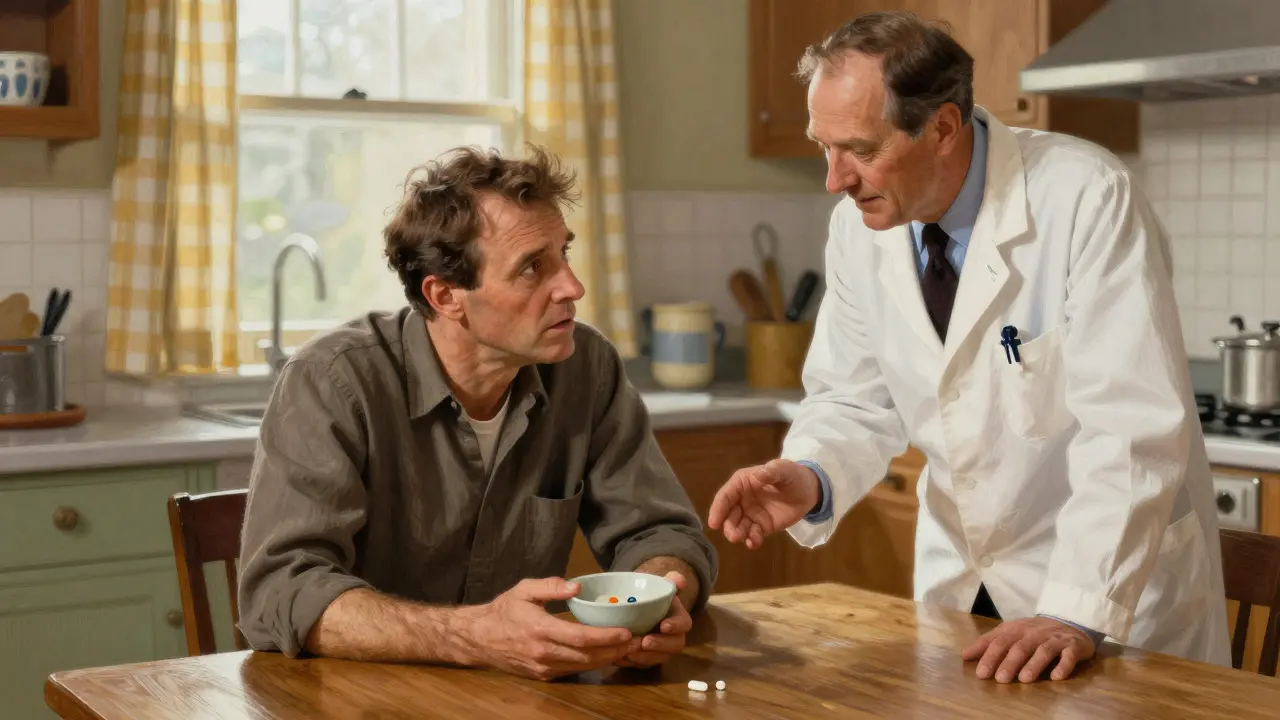
Managing Type 2 diabetes often feels like juggling too many balls at once. You have blood sugar checks, diet adjustments, exercise goals, and then there is the medication routine. For many patients, that routine involves swallowing multiple pills every day to keep glucose levels in check. This is where combination medications, which merge two active ingredients into a single tablet, become a game-changer. They simplify your regimen, but they come with a complex landscape of brand-name costs versus generic savings.
If you are on a combination drug, you might be wondering if you can switch to a cheaper generic version without risking your health. The short answer is yes, for some drugs, but not all. Understanding which combinations have generic equivalents, how substitution works, and what to watch out for during the switch is crucial for maintaining stable blood sugar control while protecting your wallet.
Why Combination Medications Are Standard Care
Type 2 diabetes is a progressive condition. Over time, the body becomes less responsive to insulin, and the pancreas struggles to produce enough. When one medication alone (monotherapy) stops keeping HbA1c levels below the target of 7%, doctors typically add a second drug. Instead of prescribing two separate pills, modern guidelines favor combining them into one dosage form.
This approach isn't just about convenience; it's about biology. Different drugs attack diabetes from different angles. Metformin, present in about 80% of these combinations, reduces glucose production in the liver. Pairing it with a DPP-4 inhibitor or an SGLT2 inhibitor addresses other defects in glucose metabolism simultaneously. Clinical data shows that this synergistic effect leads to greater HbA1c reductions-typically 1.2% to 1.8% points-compared to the 0.7% to 1.0% seen with single agents.
Adherence is the other major factor. A 2019 study published in the *Journal of Managed Care & Specialty Pharmacy* found that reducing pill burden improved medication adherence by 37%. When you take fewer pills, you are less likely to miss doses, which directly translates to better long-term outcomes and fewer complications.
The Generic Landscape: What Is Available?
Here is the reality of the current market as of 2026: not all diabetes combination drugs have generic versions. While there are approximately 25 combination medications available in the United States, only a fraction have lost their patent protections. The availability depends heavily on when the original brand was approved and whether formulation patents are still active.
| Brand Name | Active Ingredients | Generic Available? | Approx. Cost (Generic vs Brand) |
|---|---|---|---|
| Metaglip | Glipizide / Metformin | Yes (Since 2012) | $18.75 vs $345 (for 60 tabs) |
| Glucovance | Glyburide / Metformin | Yes (Since 2010) | $15.20 vs $320 (for 60 tabs) |
| Jentadueto | Linagliptin / Metformin | Yes (Approved 2023, entering market 2025+) | Variable vs High |
| Janumet XR | Sitagliptin / Metformin XR | Limited (Patents expiring 2024-2026) | High vs Very High |
| Synjardy | Empagliflozin / Metformin | No (Until ~2026+) | N/A vs $587 (for 30 tabs) |
Older classes like sulfonylureas paired with metformin (e.g., Metaglip, Glucovance) have been generic for years. These offer massive cost savings, often 85-95% less than the brand name. Newer classes, particularly those involving SGLT2 inhibitors (like Synjardy) or GLP-1 agonists, remain under strict patent protection. If you are on a newer combination, you may be stuck paying brand prices unless your insurance covers it fully or you use manufacturer copay cards.
Understanding Substitution and Bioequivalence
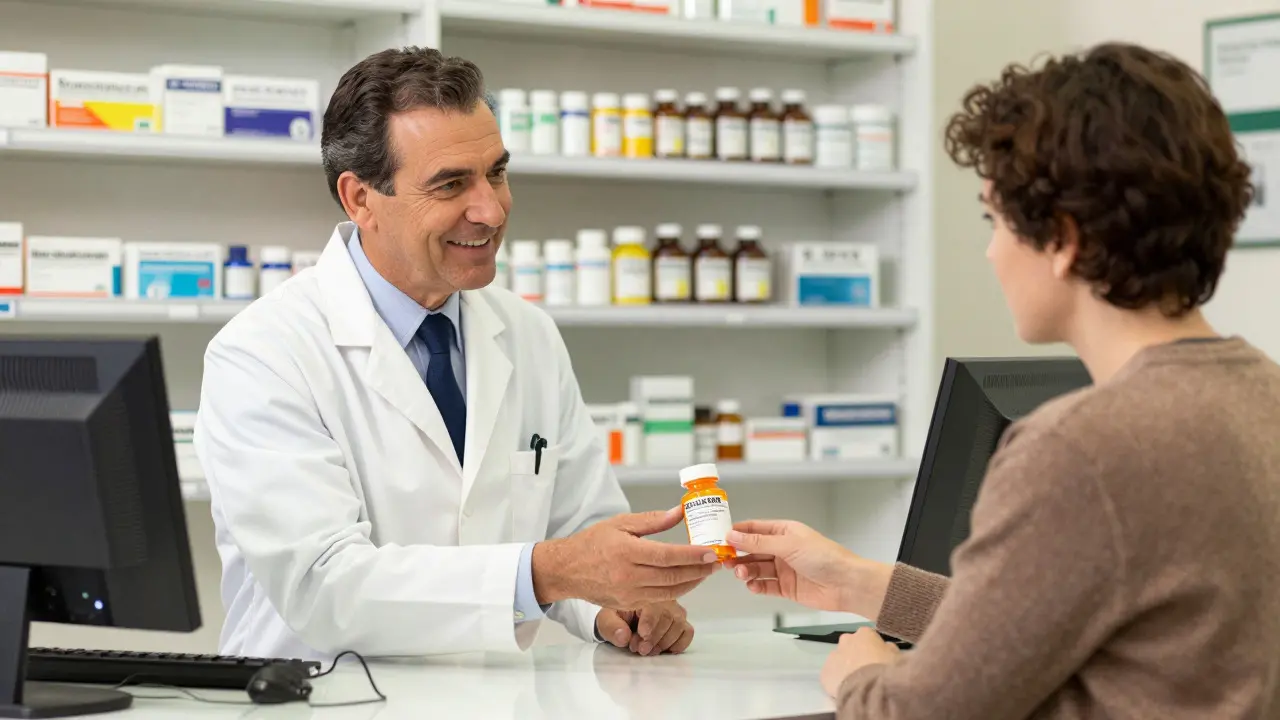
When a pharmacist hands you a generic instead of the brand you were prescribed, it is usually due to automatic substitution policies mandated by state laws and insurance plans. But does "generic" mean "identical"? Legally, yes. The FDA requires generic drugs to be bioequivalent to the brand name, meaning they must deliver the same amount of active ingredient into your bloodstream within a similar timeframe.
However, bioequivalence allows for a variance range. The generic's pharmacokinetics must fall between 80% and 125% of the brand's profile. For most drugs, this slight difference is negligible. For diabetes medications, especially those with narrow therapeutic indices or specific release mechanisms, some experts argue this window is too wide. Dr. John Buse, Director of the UNC Diabetes Center, has noted that small concentration differences can significantly impact glucose control or side effects in sensitive patients.
You might also notice physical differences. Generics often differ in size, shape, color, and inactive ingredients (fillers, dyes). While these don't change the drug's efficacy, they can cause issues. Some patients report difficulty swallowing larger generic pills, while others experience mild gastrointestinal upset due to different fillers. It is rare, but possible, for these non-active components to affect absorption slightly.
Risks and Real-World Experiences
Switching from a brand to a generic combination medication is generally safe, but it is not risk-free. The primary concern is therapeutic failure-where the new medication doesn't work quite as well as the old one, leading to higher blood sugar levels. Conversely, some patients experience unexpected hypoglycemia (low blood sugar) if the generic releases the active ingredient slightly faster.
User experiences highlight this variability. In a 2023 discussion on Reddit's r/Diabetes community, 68% of respondents used generics primarily because their insurance required it. Of those, 42% reported no difference in effectiveness. However, 31% noticed "noticeable but manageable" changes in their blood sugar patterns, requiring minor lifestyle tweaks like adjusting meal times or carb intake. More critically, 19% of endocrinologists surveyed by the American Association of Clinical Endocrinology observed treatment failures after automatic pharmacy substitutions.
A documented case from the Diabetes Daily forum illustrates the danger. A user experienced recurrent hypoglycemia after switching from brand Glucovance to a generic. The issue wasn't the dose, but the release kinetics of the glyburide component in the generic formulation, which acted slightly more aggressively in their system. This underscores why monitoring is essential during any switch.
How to Safely Switch to a Generic
If you are considering switching to a generic combination medication, or if your pharmacy has already substituted one, follow these steps to ensure safety:
- Talk to Your Doctor First: Don't let the pharmacy swap the med without your knowledge if you have been stable on a brand. Discuss the pros and cons, especially if you are on a newer combination where generics are scarce.
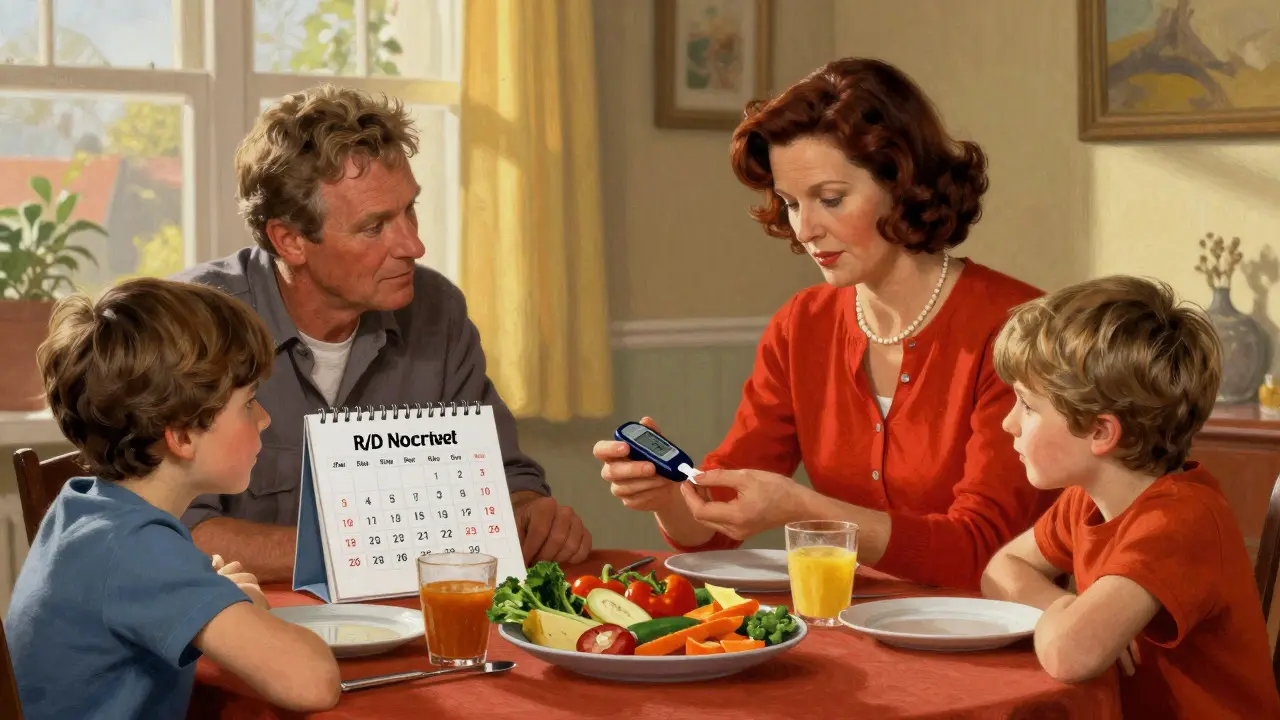
- Monitor Closely for 2-4 Weeks: The American Association of Clinical Endocrinology recommends intensive glucose monitoring during transitions. Check your blood sugar four times daily (fasting, before meals, and bedtime) for the first month. Look for trends, not just single spikes.
- Watch for Side Effects: Pay attention to gastrointestinal symptoms, energy levels, and signs of hypoglycemia (shakiness, sweating, confusion). If these appear, note when they happen relative to taking the pill.
- Keep a Log: Record your readings, any missed doses, and how you feel. This data is invaluable if you need to adjust the dose or switch back to the brand.
- Consult Your Pharmacist: Ask about the specific manufacturer of the generic. Some generic makers have better quality control records than others. If one generic causes issues, another manufacturer's version might work better.
Cost-Saving Strategies Beyond Generics
If your combination medication does not have a generic equivalent, the cost can be staggering. Brand-name combinations like Synjardy can cost hundreds of dollars per month without assistance. Here are practical ways to lower that burden:
- Manufacturer Copay Cards: Most pharmaceutical companies offering brand-name diabetes drugs provide patient assistance programs or copay cards. These can reduce your out-of-pocket cost to $0-$50 per month if you have commercial insurance.
- Patient Assistance Programs (PAPs): If you are uninsured or underinsured, apply for the manufacturer's PAP. These programs often provide the medication for free based on income eligibility.
- Split Therapy: In some cases, your doctor might allow you to take two separate generic pills instead of one brand combination. For example, taking generic metformin and generic sitagliptin separately might be cheaper than branded Janumet. Note that this increases pill burden, so weigh the cost savings against the inconvenience.
- Mail-Order Pharmacies: Insurance plans often offer 90-day supplies through mail-order pharmacies at a lower monthly rate. This is particularly useful for maintenance therapy where you are stable on your medication.
Future Outlook: More Generics Coming
The landscape is shifting rapidly. As patents expire, more combination medications will become available as generics. The FDA approved the first generic version of Jentadueto in May 2023, with market entry expected around 2025. Key patents for Janumet XR are expiring in 2024-2026, which should flood the market with affordable options soon.
Industry analysts predict that generic versions of DPP-4/metformin combinations could save the healthcare system $2.1 billion annually. For patients, this means that if you are currently paying high prices for older-generation combinations, relief is likely coming. For newer SGLT2 and GLP-1 combinations, however, brand exclusivity will likely continue for another 5-7 years.
Staying informed about patent expirations and talking to your healthcare provider about switching timing can help you catch these waves of affordability. The goal is always the same: effective glycemic control without financial toxicity.
Can I switch from a brand-name diabetes combination medication to a generic?
Yes, for many older combinations like Metaglip and Glucovance, generics are widely available and safe to use. However, you should consult your doctor before switching, especially if you are on a newer medication like Synjardy, which may not yet have a generic equivalent. Always monitor your blood sugar closely for 2-4 weeks after the switch to ensure the generic works effectively for you.
Are generic diabetes medications as effective as brand names?
Generally, yes. The FDA requires generics to be bioequivalent, meaning they deliver the same amount of active ingredient into your bloodstream. Most patients experience no difference in efficacy. However, because generics can have different inactive ingredients or slight variations in release rates, a small percentage of patients may notice changes in blood sugar control or side effects. Close monitoring during the transition is key.
Which diabetes combination medications have generic options?
Generics are available for older combinations, particularly those pairing metformin with sulfonylureas (e.g., Metaglip, Glucovance) and some DPP-4 inhibitors (e.g., Jentadueto, with limited availability growing). Newer combinations involving SGLT2 inhibitors (like Synjardy) or GLP-1 agonists typically do not have generic options yet due to ongoing patent protections.
What should I do if my generic medication causes side effects?
If you experience new or worsening side effects, such as gastrointestinal distress or unstable blood sugar, contact your doctor immediately. Do not stop taking the medication abruptly. Your doctor may recommend trying a different generic manufacturer, as quality can vary between producers, or switching back to the brand-name product if medically necessary.
How much money can I save by using generic diabetes combinations?
Savings can be significant, often ranging from 85% to 95% compared to brand-name prices. For example, a month's supply of generic Metaglip might cost around $18, whereas the brand name previously cost over $300. Even with insurance copays, generics usually result in lower out-of-pocket expenses, making long-term management more affordable.