
Drug-Induced Liver Injury: High-Risk Medications and Monitoring Guide
 Jul, 10 2026
Your liver is the body’s primary filter, processing everything you eat, drink, and swallow. But what happens when the very medicines meant to heal you start damaging that filter? This condition, known as Drug-Induced Liver Injury (also called DILI or drug-induced hepatotoxicity), is a serious but often overlooked side effect of common treatments. It occurs when medications, herbal supplements, or other substances cause abnormal liver tests or dysfunction that cannot be explained by other diseases.
DILI is not just a rare medical curiosity; it is a significant public health issue. In the United States, it accounts for approximately 5% to 20% of all acute liver failure cases. More alarmingly, about 13% of all liver transplants are performed on patients whose organs failed due to medication toxicity. The good news? Most cases are preventable with proper awareness, monitoring, and early intervention. Understanding which drugs pose the highest risk and how to spot the warning signs can mean the difference between a quick recovery and permanent organ damage.
Understanding How Medications Damage the Liver
To understand why some drugs hurt the liver while others don’t, we have to look at how the liver works. The liver contains enzymes designed to break down toxins and metabolize drugs into harmless substances that the body can excrete. However, this process isn't always clean. Sometimes, the breakdown products themselves are toxic. Other times, the immune system mistakenly attacks liver cells because they look like foreign invaders after being altered by a drug.
Experts classify DILI into two main types based on predictability:
- Intrinsic Hepatotoxicity: This type is predictable and dose-dependent. If you take enough of the drug, almost anyone will get liver damage. The classic example is acetaminophen (Tylenol). At therapeutic doses, it is safe. But exceed the limit-usually more than 4 grams per day for healthy adults-and the toxic metabolite accumulates, destroying liver cells. For elderly patients or those with existing liver issues, the safe limit drops to 3 grams daily.
- Idiosyncratic Hepatotoxicity: This is the unpredictable kind. It affects only a small subset of people, regardless of the dose taken. You might take a standard dose of an antibiotic for weeks with no issue, then suddenly develop liver injury. This type makes up about 75% of all DILI cases. It often appears 1 to 12 weeks after starting the medication, making it hard to link back to the specific drug without careful investigation.
The mechanism behind idiosyncratic injury is complex. It may involve genetic factors, such as specific HLA markers (like HLA-B*57:01 associated with flucloxacillin injury), or unique metabolic pathways in certain individuals. As Dr. Paul B. Watkins from the University of North Carolina notes, the liver's role in drug metabolism creates unique vulnerabilities where these metabolic byproducts can accumulate and cause cellular damage.
High-Risk Medications: What to Watch For
Not all drugs carry the same level of risk. Some are notorious offenders, while others rarely cause issues. Knowing which categories to watch can help you have more informed conversations with your healthcare provider.
| Medication Class | Specific Examples | Risk Profile & Notes |
|---|---|---|
| Analgesics | Acetaminophen (Paracetamol) | Most common cause of acute liver failure in the US (~45.8% of cases). Toxicity is dose-dependent. Overdose causes massive cell death. |
| Antibiotics | Amoxicillin-clavulanate, Isoniazid, Flucloxacillin | Amoxicillin-clavulanate is the leading cause of idiosyncratic DILI (11-17% of cases). Isoniazid requires strict monthly monitoring for TB patients. |
| Antiepileptics | Valproic Acid, Carbamazepine | Valproic acid has a higher fatality rate (10-20%) in severe cases, especially in children under 2. Risk increases with polypharmacy. |
| Herbal Supplements | Green tea extract, Kava, Anabolic steroids | Rising rapidly in prevalence, now ~20% of DILI cases in the US. Often unregulated and underestimated by patients. |
| Statins | Atorvastatin, Simvastatin | Low risk of severe injury (0.001-0.002%). Mild enzyme elevations occur in 0.5-2% of users but rarely lead to clinical failure. |
It is crucial to note that "natural" does not mean "safe." Herbal and dietary supplements (HDS) are increasingly implicated in liver injury. Products containing green tea extract, kava, and weight-loss supplements with anabolic steroids have caused severe hepatitis. In fact, men account for 60% of supplement-related DILI cases, likely due to higher usage rates of fitness-oriented supplements.
Recognizing the Symptoms of Liver Stress
Liver injury doesn't always announce itself with pain. The liver itself has few pain receptors, so damage often goes unnoticed until it becomes significant. However, there are clear warning signs that your body is struggling to process toxins or bile.
If you are taking high-risk medications, watch for these symptoms:
- Fatigue and Weakness: Unexplained exhaustion that doesn't improve with rest is often the first sign.
- Juandice: Yellowing of the skin and the whites of the eyes. This happens when bilirubin builds up because the liver can't filter it.
- Dark Urine: Urine may turn the color of tea or cola due to excess bilirubin excretion.
- Light-Colored Stools: Pale or clay-colored stools indicate blocked bile flow (cholestasis).
- Abdominal Pain: Specifically in the upper right quadrant, where the liver sits.
- Nausea and Loss of Appetite: Common early gastrointestinal symptoms.
- Itching (Pruritus): Severe, generalized itching can result from bile salts depositing in the skin.
Patient experiences highlight the diagnostic challenge. One patient shared that their ALT levels shot up to 1,200 (normal is under 40) after two months of tuberculosis treatment, yet they felt relatively fine initially. Another reported "unbearable itching" that lasted three months after stopping amoxicillin-clavulanate. Because these symptoms mimic flu-like illnesses or stress, many patients delay seeking care. A survey by the British Liver Trust found that 68% of patients were initially misdiagnosed, highlighting the need for clinicians to consider DILI when patients report vague malaise alongside new medication use.
Monitoring Protocols: Who Needs Testing?
One of the biggest debates in hepatology is whether routine blood testing prevents liver damage. The answer depends entirely on the drug you are taking.
For most common medications, like statins, routine monitoring is not cost-effective. The American College of Gastroenterology (ACG) guidelines state that severe liver injury from statins is extremely rare (1-2 cases per 100,000 patient-years). Instead, doctors recommend educating patients to stop the drug and call their doctor if they notice symptoms like jaundice or severe fatigue.
However, for high-risk drugs, strict monitoring protocols save lives. Consider Isoniazid, used for tuberculosis. The CDC recommends monthly liver function tests (LFTs) for the first three months of therapy, then quarterly thereafter. If alanine aminotransferase (ALT) levels rise to more than 3 to 5 times the upper limit of normal (ULN), or if symptoms appear, the drug must be stopped immediately.
The American Association for the Study of Liver Diseases (AASLD) suggests a tiered approach for other high-risk agents:
- Baseline Test: Check liver enzymes before starting any potentially hepatotoxic drug, especially if you have risk factors like alcohol use, obesity, or pre-existing liver disease.
- Weekly Monitoring: For the first month of therapy with high-risk drugs (e.g., antiepileptics, certain antibiotics).
- Biweekly Monitoring: During months 2 and 3.
- Monthly Monitoring: Thereafter, if levels remain stable.
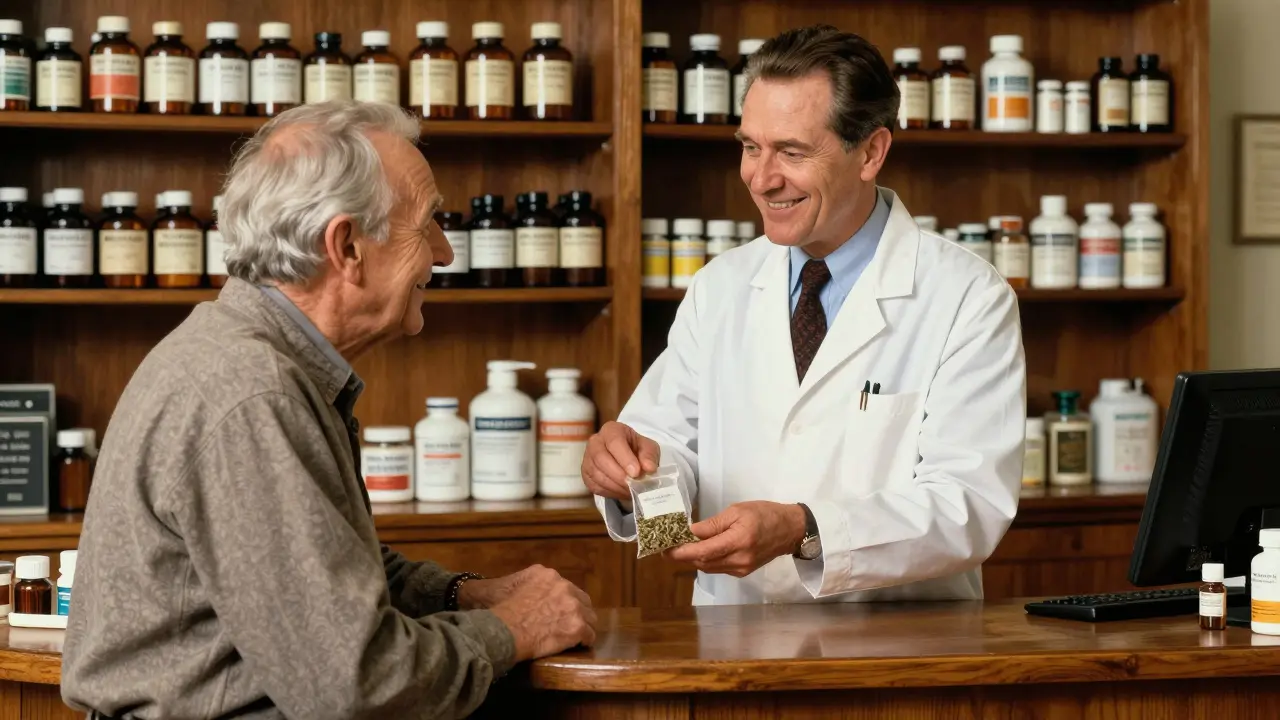
Pharmacists play a critical role here. Studies show that medication therapy management services can reduce DILI incidence by 23% in patients taking multiple medications (polypharmacy). Always ask your pharmacist to check for interactions, especially if you are adding a new antibiotic or supplement to your regimen.
Diagnosis and Assessment Tools
When liver injury is suspected, doctors don't just guess. They use structured tools to determine if the drug is the culprit. Since DILI is a diagnosis of exclusion, other causes like viral hepatitis (A, B, C), autoimmune hepatitis, and gallstones must be ruled out first.
The most widely used assessment tool is the Roussel Uclaf Causality Assessment Method (RUCAM). It assigns a score based on timing, risk factors, and exclusion of other causes:
- Score ≥ 8: Highly probable DILI.
- Score 6-8: Probable DILI.
- Score 3-5: Possible DILI.
- Score < 3: Unlikely DILI.
Doctors also look at the pattern of injury using blood tests. If ALT is significantly elevated compared to alkaline phosphatase (ALP), it suggests hepatocellular injury (direct cell damage), typical of acetaminophen or valproic acid. If ALP is higher, it suggests cholestatic injury (bile flow blockage), common with amoxicillin-clavulanate.
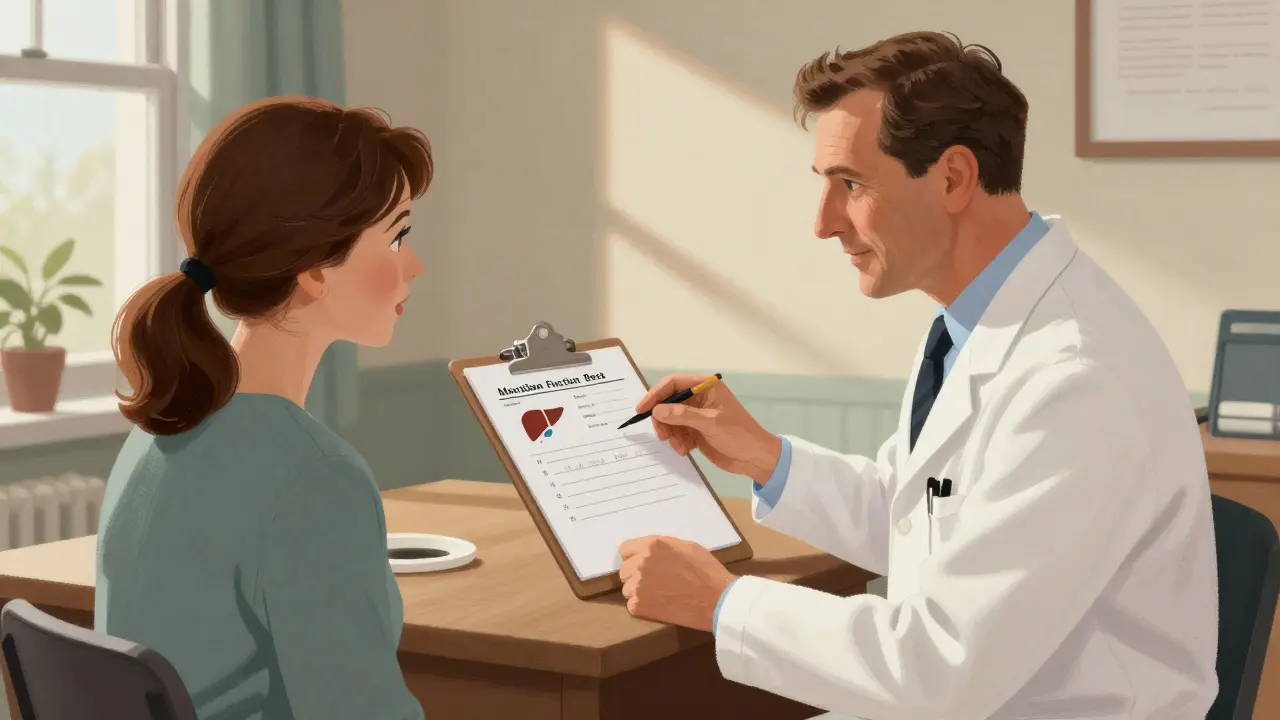
A critical concept in assessing severity is Hy's Law. Named after Dr. Hyman Zimmerman, this rule states that if a patient has ALT or AST levels greater than 3 times the ULN AND total bilirubin greater than 2 times the ULN, they have a 10% to 50% risk of progressing to acute liver failure. This combination triggers immediate hospitalization and specialist referral.
Treatment and Recovery Outlook
The cornerstone of treating DILI is simple but vital: stop the offending agent. In approximately 90% of cases, liver enzymes begin to improve within 1 to 2 weeks of discontinuation. Full recovery typically takes 3 to 6 months, though some patients may experience lingering fatigue or mild enzyme elevations for longer.
There is no universal antidote for idiosyncratic DILI. Supportive care involves managing symptoms, ensuring adequate nutrition, and avoiding alcohol and other liver stressors during recovery. However, for intrinsic toxicity like acetaminophen overdose, time is tissue. The antidote N-acetylcysteine (NAC) is highly effective if administered within 8 hours of ingestion, providing nearly 100% protection against liver damage. Efficacy drops significantly if treatment is delayed beyond 16 hours.
In severe cases where the liver fails completely, transplantation may be necessary. Unfortunately, about 12% of DILI cases result in permanent liver damage or require transplant. This underscores the importance of early detection. Genetic testing is emerging as a preventive tool; for instance, testing for HLA-B*57:01 before prescribing flucloxacillin can identify patients at extreme risk (relative risk of 80.6), allowing doctors to choose safer alternatives.
Prevention Strategies for Patients and Providers
Preventing DILI requires a partnership between patients and healthcare providers. Here are actionable steps to protect your liver:
- Disclose All Substances: Tell your doctor about every prescription, over-the-counter drug, and herbal supplement you take. Many patients forget that "natural" supplements interact with pharmaceuticals.
- Respect Dosage Limits: Never exceed the recommended dose of acetaminophen. Check labels on cold and flu remedies, as many contain hidden acetaminophen.
- Know Your Risk Factors: Older age, female sex, and pre-existing liver conditions increase susceptibility. Discuss these risks openly with your prescriber.
- Utilize Technology: Use apps or pharmacy software that flag drug-drug interactions. Electronic health record (EHR) alerts are becoming standard and can prevent 15-20% of severe DILI cases by warning doctors of dangerous combinations.
- Monitor at Home: While you can't test enzymes at home, you can monitor for symptoms. Take photos of your eyes weekly if you are on long-term high-risk therapy to check for subtle yellowing.
The landscape of DILI research is evolving. New biomarkers like microRNA-122 and keratin-18 are being studied to detect injury earlier than traditional ALT tests. Additionally, AI-driven chemical structure analysis can now predict a drug's hepatotoxic potential with 82% accuracy, helping pharmaceutical companies design safer medications before they reach the market.
How long does it take for the liver to recover from drug-induced injury?
Recovery timelines vary depending on the severity and the specific drug involved. In most cases of mild to moderate DILI, liver enzymes begin to normalize within 1 to 2 weeks after stopping the medication. Full functional recovery typically takes 3 to 6 months. However, in severe cases involving extensive necrosis or fibrosis, recovery can take longer, and some patients may suffer permanent damage requiring ongoing management or transplantation.
Can herbal supplements really cause liver failure?
Yes, absolutely. Herbal and dietary supplements are responsible for approximately 20% of DILI cases in the United States. Ingredients like green tea extract (especially in concentrated pill form), kava, and anabolic steroids found in some weight-loss products have been linked to severe hepatitis and acute liver failure. Because supplements are less regulated than pharmaceuticals, contamination and inconsistent dosing further increase the risk.
What is Hy's Law and why is it important?
Hy's Law is a clinical predictor used to assess the risk of acute liver failure in patients with drug-induced liver injury. It applies when a patient has both ALT or AST levels greater than 3 times the upper limit of normal AND total bilirubin greater than 2 times the upper limit of normal, without evidence of biliary obstruction. Meeting these criteria indicates a 10% to 50% risk of progressing to life-threatening liver failure, necessitating immediate hospitalization and specialist care.
Do I need regular blood tests if I take statins?
Routine liver enzyme testing for statin users is generally not recommended by major guidelines like the American College of Gastroenterology. Statins cause mild, asymptomatic enzyme elevations in about 0.5-2% of users, but clinically significant liver failure is extremely rare (less than 0.002%). Instead, doctors advise patients to be aware of symptoms like jaundice, dark urine, or severe fatigue and to seek medical attention if they occur. Baseline testing may still be done to establish a reference point.
What should I do if I suspect my medication is hurting my liver?
If you experience symptoms like yellowing of the eyes, dark urine, severe abdominal pain, or unexplained nausea while on medication, contact your healthcare provider immediately. Do not stop essential medications like antiepileptics or heart drugs without consulting your doctor first, as abrupt cessation can be dangerous. For non-essential supplements or over-the-counter pain relievers, you may stop them temporarily until you speak with a professional. Early intervention is key to preventing permanent damage.