
FDA List of Authorized Generics: Where to Find Information and How to Use It
 May, 27 2026
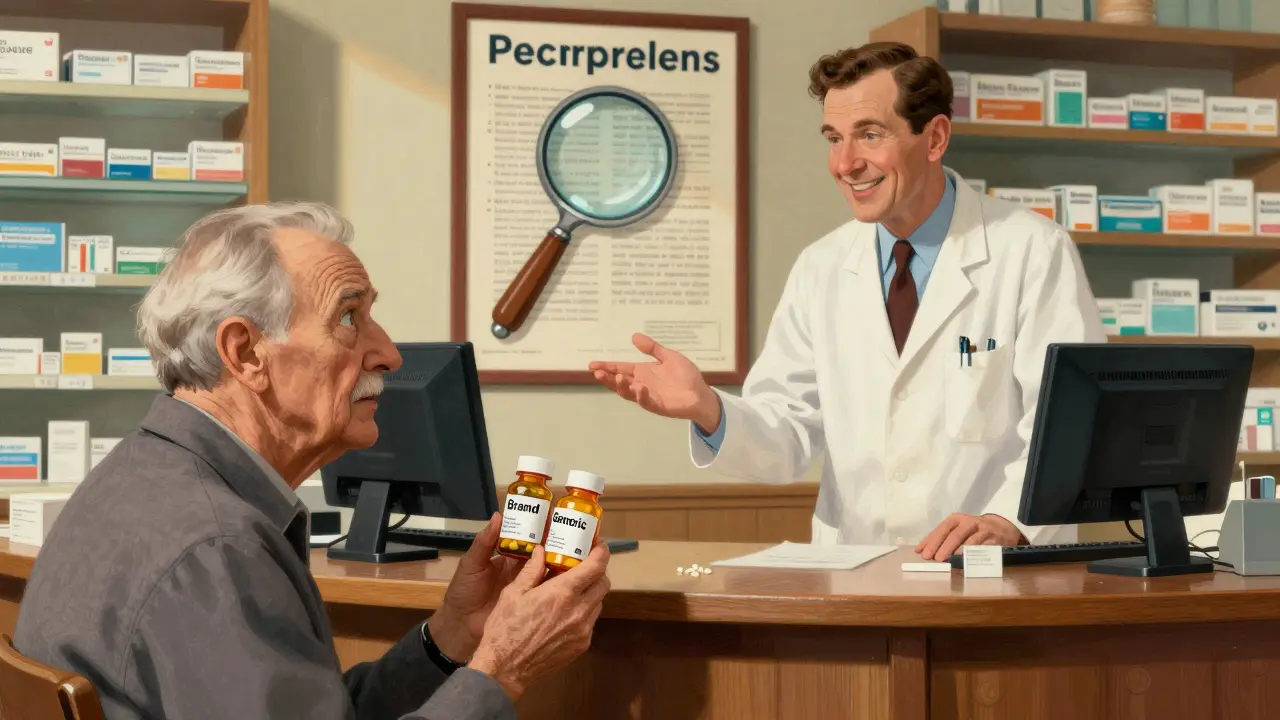
Have you ever seen a pill that looks exactly like your brand-name medication but costs less? You might be looking at an authorized generic, which is a drug identical to the brand-name version but sold under a different name or label. These products are confusing because they aren't listed in the standard database most pharmacists use. If you are trying to find the official FDA list of authorized generics, you need to know exactly where to look and how to interpret the data, because this information is hidden behind specific legal requirements.
The U.S. Food and Drug Administration (FDA) maintains a dedicated resource for these drugs, but it doesn't work like the other databases you might expect. Understanding this list is crucial for pharmacists, healthcare providers, and patients who want to make informed decisions about medication costs and availability. This guide breaks down where to find the information, what it actually tells you, and why it matters in today's pharmaceutical market.
What Is an Authorized Generic?
To understand the list, you first need to understand the product. An authorized generic is the same drug as the brand-name product, manufactured by the same company, but marketed without the brand name on the label. Unlike traditional generic drugs, which are made by different companies after patents expire, authorized generics are produced by the original brand manufacturer.
Here is the key difference: Traditional generics go through an Abbreviated New Drug Application (ANDA) process. Authorized generics are marketed under the brand-name drug's New Drug Application (NDA). This means they are legally considered "therapeutically equivalent" to the brand name by definition. They contain the same active ingredients, strength, dosage form, and route of administration. The only differences might be the color, shape, or markings on the tablet or capsule.
Why do companies do this? Brand manufacturers often launch authorized generics to compete with cheaper traditional generics when their patent protection weakens. It allows them to keep some market share and revenue while offering a lower-cost option to consumers. According to data from the Federal Trade Commission (FTC), these products can capture 15-20% of the market share during the critical period when traditional generics first enter the market.
Where to Find the Official FDA List
You won't find authorized generics in the Orange Book, which is the FDA's primary database for approved drug products with therapeutic equivalence evaluations. The Orange Book focuses on traditional generics approved via ANDAs. Since authorized generics use the brand's NDA, they are excluded from that list.
Instead, the FDA maintains a separate, specific document called the "Listing of Authorized Generics." Here is how to access it:
- Go to the FDA website at fda.gov.
- Navigate to the section for Abbreviated New Drug Application (ANDA) resources.
- Look for the link titled FDA List of Authorized Generic Drugs.
- Download the current PDF document, which is updated quarterly.
The most recent update, dated October 10, 2025, provides a comprehensive snapshot of all known authorized generics. The document is relatively small, weighing around 1.09 MB, but it contains vital information for anyone tracking these specific pharmaceutical products.
What Data Does the List Contain?
When you open the FDA's PDF list, you will see a structured table with specific columns. Each entry includes the following data points:
- Proprietary Name: The brand name of the original drug (e.g., ACTIQ, ARTHROTEC).
- Dosage Form: Whether it is a tablet, capsule, gel, or lozenge.
- Strength: The amount of active ingredient (e.g., 50 mg/200 mcg).
- NDA Applicant Name: The manufacturer responsible for the drug (e.g., Pfizer Inc., Cephalon, LLC).
- Date Entered Market: The period when the authorized generic was first reported.
For example, the list shows that Pfizer Inc. introduced an authorized generic version of ARTHROTEC tablets on November 1, 2012. Another entry lists CLEOCIN T topical gel from Pfizer entering the market on June 11, 2003. These details help researchers and industry professionals track which brands have launched competitive generic versions of their own products.
| Database | Primary Purpose | Includes Authorized Generics? | Update Frequency |
|---|---|---|---|
| Orange Book | Therapeutic equivalence for traditional generics | No | Weekly |
| Drugs@FDA | Approval history for all drug types | Indirectly (via NDA) | Real-time |
| FDA List of Authorized Generics | Tracking brand-manufactured generics | Yes | Quarterly |
| NDC Directory | Labeler codes and package sizes | Yes (if labeled) | Real-time |

Limitations of the FDA List
While the FDA list is the official source, it has significant limitations that users must understand. The most critical issue is that the list reflects reporting, not real-time market availability.
The FDA explicitly states that the "Date Authorized Generic Entered Market" column reflects the annual report period in which the drug was first mentioned, not the exact day it hit pharmacy shelves. Furthermore, the agency does not track whether an authorized generic is still being sold. A product might appear on the list from 2010, but it could have been discontinued five years ago. The FDA simply doesn't have that information.
This creates a gap for practical use. Pharmacists and buyers cannot rely on this list alone to determine if a specific authorized generic is currently available for purchase. As Michael Rodriguez, an independent pharmacy owner, noted in a 2024 forum discussion, he found several products listed as recently entered that were unavailable from his wholesalers. This disconnect between regulatory reporting and commercial reality is a common frustration.
How to Verify Current Availability
If you need to know if an authorized generic is actually on the shelf today, you must cross-reference the FDA list with other tools. Here is a practical workflow:
- Check the FDA List: Identify the brand name and manufacturer of the potential authorized generic.
- Search the NDC Directory: Use the National Drug Code (NDC) Directory to find the specific labeler code and product code. This confirms if the manufacturer is actively labeling and distributing the product.
- Consult Commercial Databases: Tools like IQVIA National Sales Perspectives or wholesaler inventory systems provide real-time sales and stock data. These platforms track actual market presence, which the FDA list lacks.
- Contact Wholesalers Directly: For immediate needs, calling your distributor is often the fastest way to confirm availability.
Industry best practices, as outlined by the American Drug Distributors Association, recommend pairing the FDA's static list with weekly NDC deactivation reports. This combination gives you a much clearer picture of what is truly available in the market.
Why This Matters for Patients and Providers
Authorized generics play a unique role in the pharmaceutical ecosystem. They offer a middle ground between expensive brand-name drugs and traditional generics. For patients, this can mean savings, although the discount may not always be as steep as with traditional generics. Dr. Aaron S. Kesselheim from Harvard Medical School has pointed out that authorized generics sometimes enter the market at prices only slightly lower than the brand, limiting consumer savings.
However, they also serve a competitive function. By introducing their own generic version, brand manufacturers can pressure traditional generic competitors to keep prices low. During the 180-day exclusivity period granted to the first generic applicant, authorized generics can prevent monopolistic pricing. This dynamic helps maintain a more competitive market overall, even if the direct benefit to the patient varies case by case.
For healthcare providers, understanding this landscape ensures accurate prescribing and counseling. Knowing that a cheaper alternative exists-and verifying its availability-can improve patient adherence and reduce out-of-pocket costs. It also helps in navigating insurance formularies, which may prefer one version over another based on cost-effectiveness analyses.
Future Changes to the Database
The FDA is aware of the limitations of the current PDF-based list. In response to stakeholder feedback, including requests from 22 of 28 participants at the 2024 Public Meeting on Drug Competition, the agency plans to transition to a dynamic, searchable database format. This change is expected by Q2 2026, according to the Center for Drug Evaluation and Research (CDER) Strategic Plan.
A digital database would allow users to filter by manufacturer, date, and status, making it easier to identify active products. It could also integrate with the FDA's Drug Shortage Portal, providing alerts when authorized generics become scarce. Until then, users must continue to rely on the quarterly PDF updates and supplement them with external verification methods.
The growth in authorized generics is notable. From 2010 to 2019, there were 854 unique authorized generic launches in the U.S., up from just 119 in the previous decade. Major players like Pfizer, Teva, and Viatris (formerly Mylan) dominate this space. As the market evolves, so too will the tools we use to track it. Staying informed requires checking the official sources regularly and understanding their inherent constraints.
Is the FDA list of authorized generics updated daily?
No, the FDA list is updated quarterly. The most recent update was dated October 10, 2025. Because it relies on annual reports submitted by manufacturers, it does not reflect real-time changes in market availability or discontinuations.
Can I find authorized generics in the Orange Book?
No, authorized generics are not listed in the Orange Book. The Orange Book tracks traditional generics approved through Abbreviated New Drug Applications (ANDAs). Authorized generics are marketed under the brand-name drug's New Drug Application (NDA) and are therefore tracked separately in the FDA's Listing of Authorized Generics.
Are authorized generics therapeutically equivalent to brand-name drugs?
Yes, by definition, authorized generics are therapeutically equivalent to their brand-name counterparts. They contain the same active ingredients, strength, dosage form, and route of administration. They are manufactured by the same company, ensuring identical quality and efficacy standards.
Why does the FDA list include discontinued products?
The FDA list reflects historical reporting data rather than current market status. The agency does not receive automatic notifications when an authorized generic is discontinued. Therefore, the list may include products that are no longer being marketed, requiring users to verify current availability through other sources like the NDC Directory or wholesalers.
Who benefits most from authorized generics?
Brand manufacturers benefit by maintaining market share and revenue streams against traditional generic competition. Consumers can benefit from lower prices compared to brand-name drugs, though savings vary. Healthcare systems benefit from increased competition, which can help control overall drug spending, especially during periods of generic exclusivity.