
GLP-1 Agonists and Gallbladder Disease: Spotting Abdominal Pain Red Flags
 Jul, 17 2026
GLP-1 Gallbladder Risk & Symptom Checker
Risk Factor Assessment
Select the factors that apply to you to estimate your relative susceptibility.
Based on general population statistics. Consult your doctor for a personalized assessment.
Symptom Red Flags
Click on symptoms you are currently experiencing while on GLP-1 therapy.
Under right rib cage > 30 mins
To right shoulder or back
After eating fatty foods
Alongside abdominal pain
Mild digestive upset
Medical Attention Recommended
Your selected symptoms match high-specificity indicators for gallbladder distress. Please contact your healthcare provider immediately.
Monitor Symptoms
These symptoms may be side effects, but continue to monitor for severe pain patterns.
Immediate Action Plan
If you experience severe symptoms (RUQ pain, radiating pain), follow these steps:
- 1. Stop Medication: Contact prescriber immediately.
- 2. Seek Evaluation: Request an abdominal ultrasound.
- 3. Diet Change: Avoid fatty foods until evaluated.
- 4. Specialist: Consult gastroenterologist if stones confirmed.
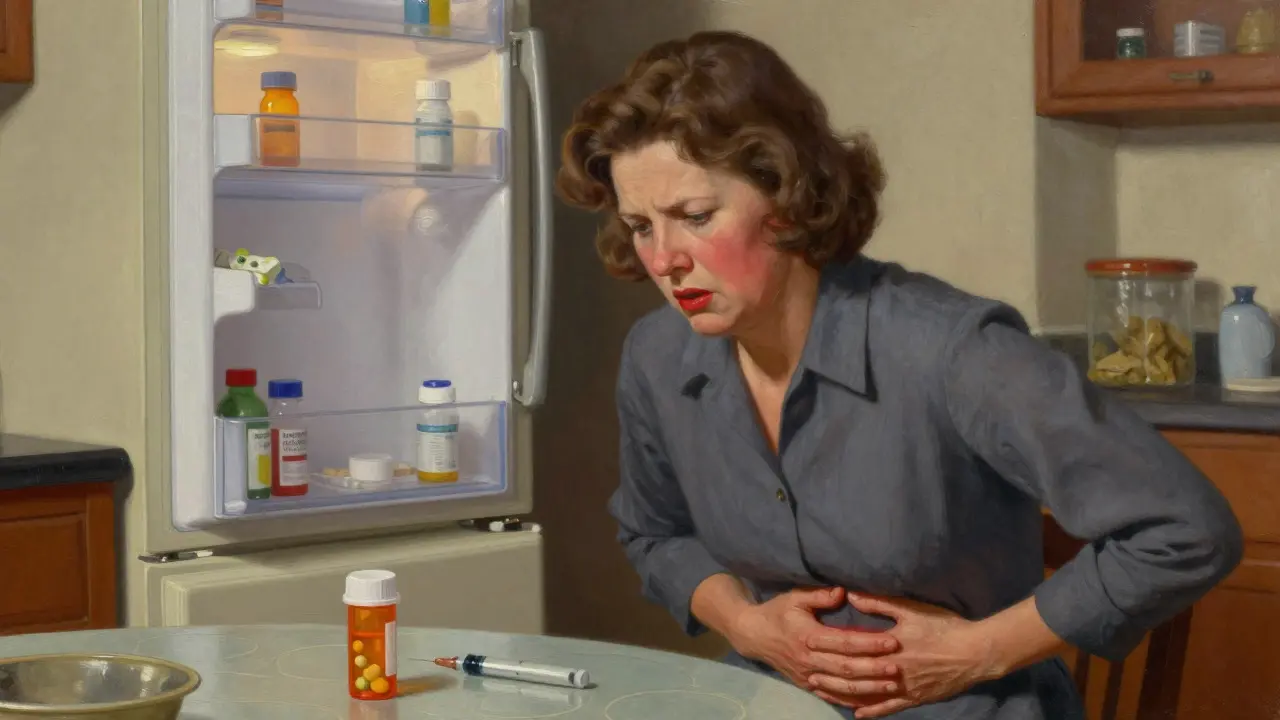
Abdominal pain is a common complaint, but when you are taking GLP-1 agonists like semaglutide or liraglutide, it demands immediate attention. These medications, widely prescribed for type 2 diabetes and weight management, have been linked to an increased risk of gallbladder disease. Understanding the specific warning signs can mean the difference between a manageable issue and a surgical emergency.
The connection between these drugs and gallbladder health is not just theoretical; it is backed by significant clinical data. A comprehensive meta-analysis published in JAMA Internal Medicine by He et al. in 2022 reviewed 76 randomized clinical trials involving over 56,000 participants. The study found a statistically significant 37% excess relative risk of gallbladder and biliary diseases among those using GLP-1 receptor agonists compared to control groups. While the absolute risk remains relatively low-approximately 0.5% across all trials-it rises to 1.3% in weight loss trials, where higher doses are often used. This means that while most people will not experience issues, the risk is real and requires vigilance.
Why GLP-1 Medications Affect the Gallbladder
To understand why this happens, we need to look at how these drugs work in your body. GLP-1 receptor agonists mimic a natural hormone called glucagon-like peptide-1. One of their primary functions is to slow down gastric emptying, which helps you feel full longer and reduces appetite. However, this slowing effect extends beyond the stomach.
These medications inhibit gallbladder motility by suppressing the secretion of cholecystokinin, a hormone essential for gallbladder contraction. When the gallbladder does not contract regularly, bile sits stagnant inside it. Over time, this stasis allows cholesterol and other components in the bile to crystallize, forming gallstones. Additionally, rapid weight loss-a common outcome of GLP-1 therapy-independently increases the risk of stone formation. The combination of slowed motility and rapid fat loss creates a perfect storm for biliary complications.
Identifying the Red Flags: What to Watch For
Not every stomach ache is a sign of trouble, but certain symptoms are distinct indicators of gallbladder distress. If you are on a GLP-1 medication, you should be alert for the following red flags:
- Persistent Right Upper Quadrant (RUQ) Pain: This is pain located under your right rib cage. If it lasts more than 30 minutes, it has an 89% sensitivity for indicating acute cholecystitis (gallbladder inflammation).
- Radiating Pain: Pain that travels from your abdomen to your right shoulder or back is highly specific (82%) to gallbladder issues.
- Postprandial Discomfort: Severe pain triggered specifically after eating fatty foods has a 94% specificity for biliary colic.
- Accompanying Symptoms: Nausea or vomiting occurring alongside abdominal pain significantly increases the likelihood of a gallbladder event, with a positive likelihood ratio of 3.8.
Many patients report that the pain feels different from typical digestive upset. It is often described as sharp, intense, and unrelenting. On patient forums like Reddit’s r/Obesity community, users frequently describe sudden, severe RUQ pain after meals. In one documented case series by Woronow et al., 75% of patients with GLP-1-associated acute cholecystitis required surgery (cholecystectomy), highlighting the severity of these episodes.
Timing Matters: When Do Symptoms Appear?
Knowing when to expect potential issues can help you stay proactive. Data suggests that the majority of gallbladder events occur within the first year of starting treatment. Specifically, 93% of cases reported in recent studies happened during this initial period. The median time to symptom onset was approximately 180 days (about six months) after beginning the medication.
This timeline aligns with the dose-escalation phase of many GLP-1 regimens. As the dose increases, so does the suppression of gallbladder motility and the rate of weight loss. Patients who lose weight rapidly-more than 1.5 kg per week-are at particularly high risk. This is why clinicians emphasize gradual titration and monitoring during the first six months of therapy.
Who Is at Higher Risk?
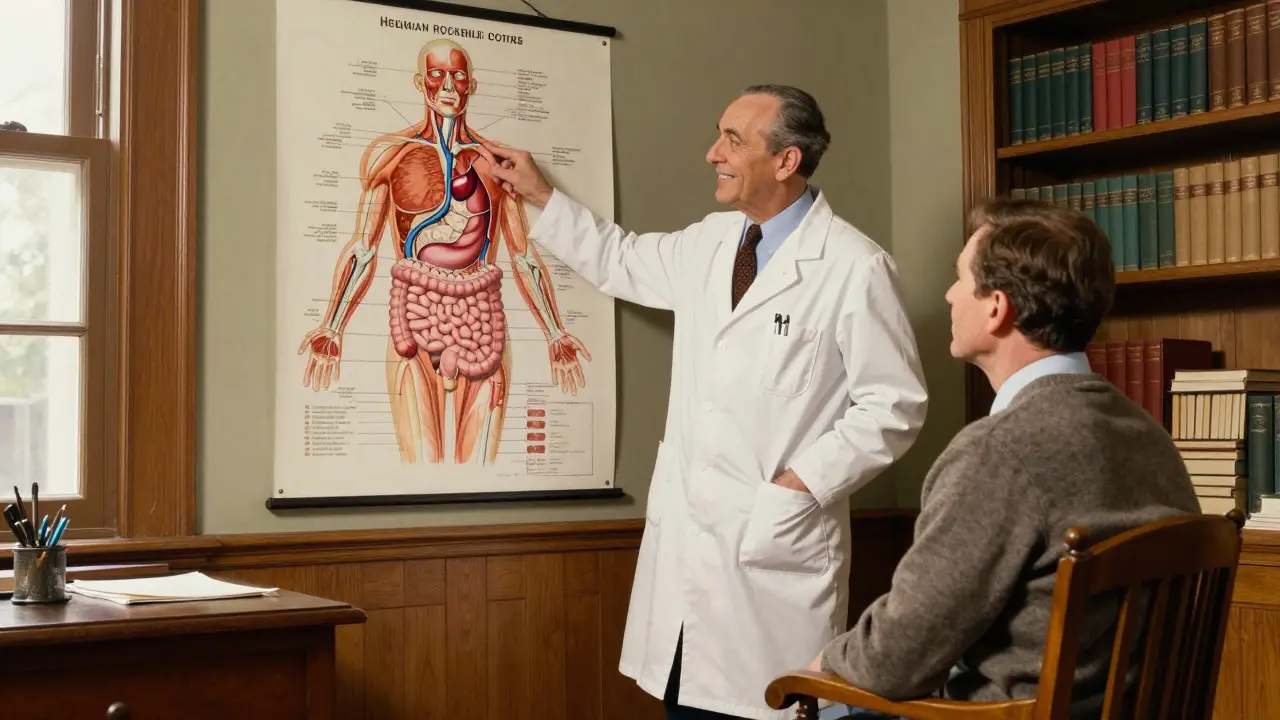
While anyone taking GLP-1 agonists faces some increased risk, certain factors make you more vulnerable. The American Association of Clinical Endocrinology recommends baseline screening for patients with the following characteristics:
- Female Sex: Women are naturally at higher risk for gallstones due to hormonal factors.
- Age Over 40: Risk increases with age.
- High BMI: A Body Mass Index greater than 30 correlates with higher baseline gallstone prevalence.
- History of Gallstones: Previous episodes significantly increase the likelihood of recurrence.
- Rapid Weight Loss: Losing more than 1.5 kg per week dramatically raises the risk.
If you fall into any of these categories, discuss preventive measures with your healthcare provider before starting treatment. An abdominal ultrasound may be recommended to check for existing stones.
Comparing Risks Across Different Medications
Not all GLP-1 agonists carry the same level of risk. Research indicates variations based on the specific drug and dosage. Here is a comparison of relative risks identified in major studies:
| Medication | Relative Risk (Odds Ratio) | Primary Use Context |
|---|---|---|
| Liraglutide (3.0 mg) | 2.45 | Weight Management |
| Semaglutide (2.4 mg) | 2.07 | Weight Management |
| Exenatide | 1.40 (non-significant trend) | Type 2 Diabetes |
Note that the higher odds ratios for liraglutide and semaglutide correspond to their use in weight management at higher doses. Lower doses used for diabetes control generally present a lower, though still present, risk. Other weight loss medications like phentermine-topiramate do not show a significant association with gallbladder disease, offering an alternative for those at very high risk.
What To Do If You Experience Symptoms
If you suspect gallbladder issues, do not ignore the pain. Continuing the medication without evaluation can lead to serious complications such as gangrene or perforation of the gallbladder. Immediate steps include:
- Stop the Medication: Contact your prescriber immediately. In 78% of severe cases, discontinuation of the GLP-1 RA was necessary.
- Seek Urgent Evaluation: Request an abdominal ultrasound. This is the gold standard for diagnosing gallstones and cholecystitis.
- Avoid Fatty Foods: Until evaluated, stick to a low-fat diet to minimize gallbladder stimulation.
- Consult a Specialist: If stones are confirmed, a gastroenterologist or surgeon will determine if cholecystectomy is required.
For patients who have already had their gallbladder removed (cholecystectomy), the risk of new stone formation is eliminated. However, there is a minimal chance that residual stones in the bile ducts could cause issues. Overall, individuals without a gallbladder face significantly lower risks from GLP-1 therapy.
Prevention and Mitigation Strategies
Can you reduce your risk? Yes, through careful management. Current guidelines suggest several strategies:
- Slow Weight Loss: Aim for a weight loss rate of 0.5-1 kg per week rather than rapid drops. This reduces the metabolic stress on the liver and gallbladder.
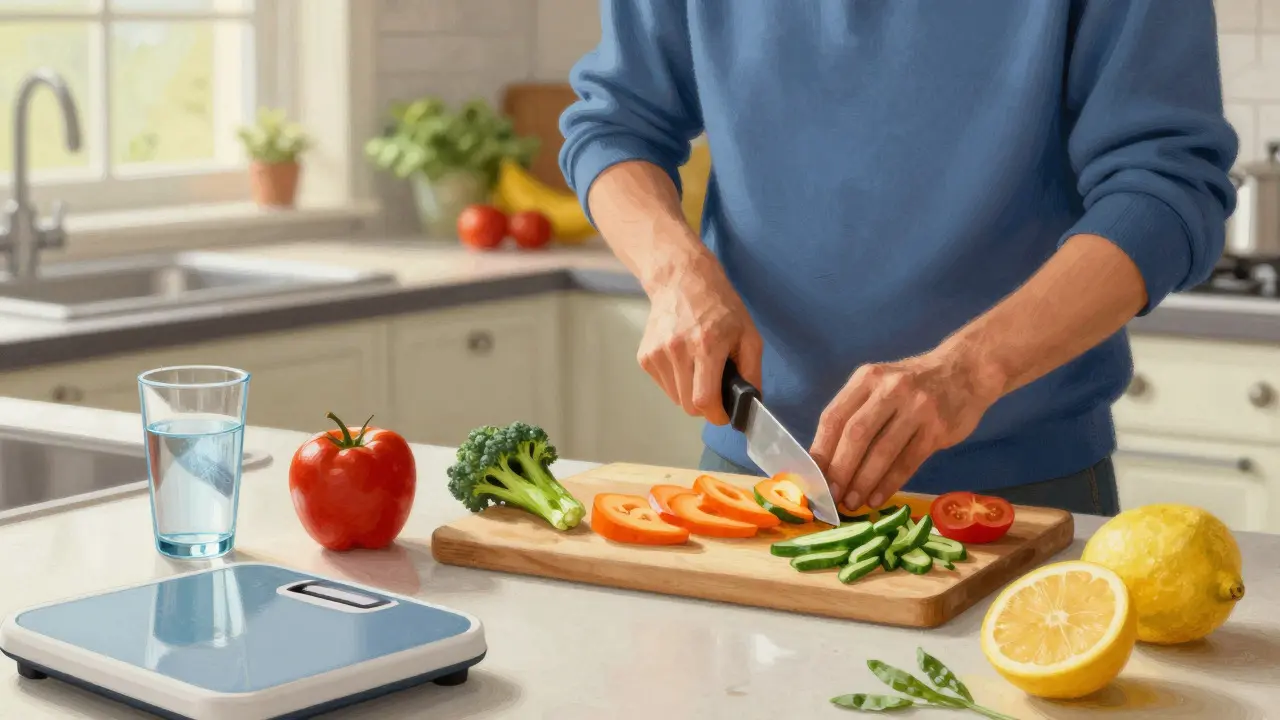
- Hydration and Diet: Maintain adequate hydration and consume soluble fiber to support healthy bile composition.
- Regular Monitoring: Schedule follow-ups with your doctor, especially during the first six months of treatment.
- Pharmacological Prevention: Researchers are investigating whether ursodeoxycholic acid (UDCA) can prevent stone formation in high-risk patients. While not yet standard care, ask your doctor if this might be appropriate for you.
The FDA has updated prescribing information for all GLP-1 RAs to include warnings about acute gallbladder disease. Manufacturers are also developing patient support programs that include risk assessment tools. By staying informed and communicating openly with your healthcare team, you can safely navigate the benefits of these powerful medications while minimizing potential risks.
How common is gallbladder disease in people taking GLP-1 agonists?
According to a large meta-analysis, the absolute risk difference is about 0.5% across all trials. However, in weight loss trials using higher doses, the risk rises to approximately 1.3%. This means roughly 1 in 100 people may develop gallstones, and 1 in 1,000 may develop infections.
Does having my gallbladder removed eliminate the risk?
Yes, largely. If you have undergone a cholecystectomy, you cannot form new gallstones. There is only a minimal risk of pre-existing stones in the bile ducts causing issues, making GLP-1 therapy much safer for these patients.
Which GLP-1 medication has the highest risk?
Liraglutide at the higher 3.0 mg dose used for weight management shows the highest relative risk (OR 2.45), followed closely by semaglutide at 2.4 mg (OR 2.07). Lower doses used for diabetes have a lower associated risk.
When should I go to the ER for abdominal pain?
You should seek emergency care if you experience persistent right upper quadrant pain lasting more than 30 minutes, pain radiating to your right shoulder, or severe nausea/vomiting alongside the pain. These are strong indicators of acute cholecystitis.
Can I continue taking GLP-1s if I have gallstones?
Use extreme caution. Rapid weight loss can dislodge stones, leading to blockages. Consult a gastroenterologist before starting or continuing therapy. They may recommend slower weight loss targets or alternative treatments.