
How the Pandemic Disrupted Drug Supply Chains and Sparked a Dual Crisis
 Jun, 22 2026
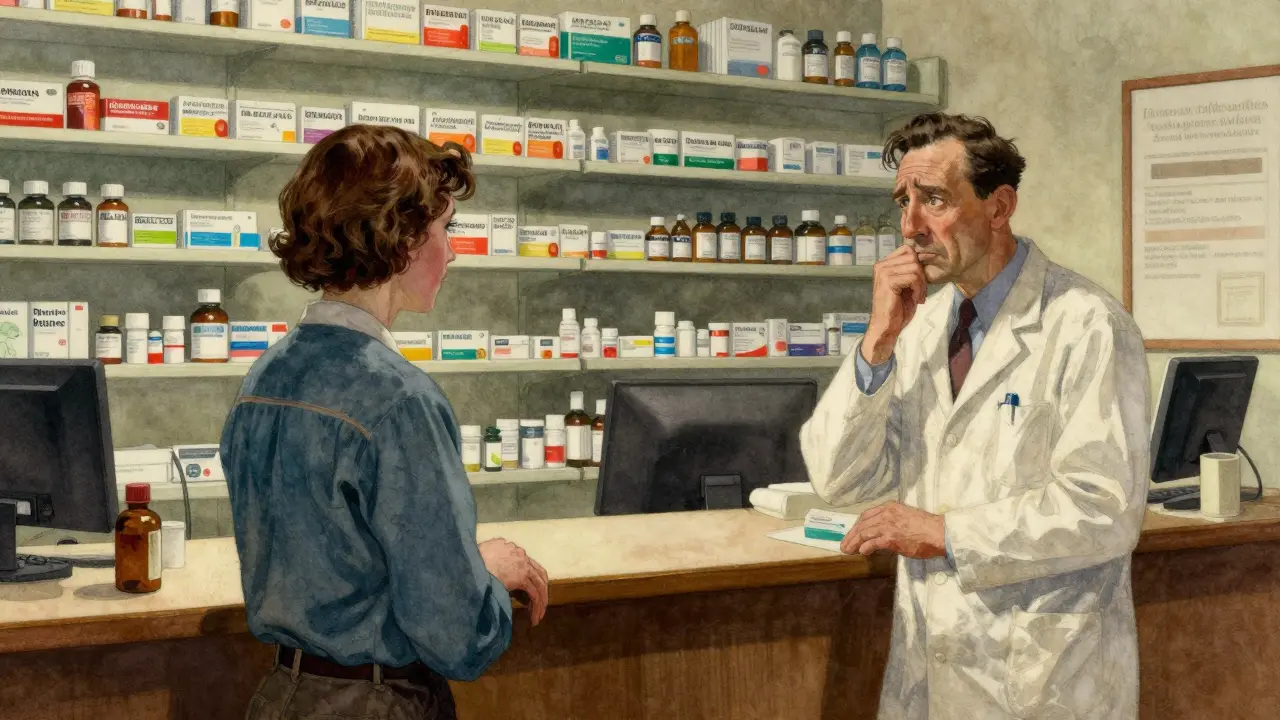
The shelves were empty. That was the first thing many patients noticed when they tried to fill their prescriptions in early 2020. But while you were struggling to find blood pressure meds or antibiotics, a different kind of shortage was happening on the streets. The COVID-19 pandemic didn't just stop people from getting sick; it broke the systems that keep us healthy. It created a dual crisis: essential medicines vanished from pharmacies due to supply chain shocks, while illicit drug markets went underground, becoming more dangerous than ever before.
This wasn't just a temporary hiccup. It was a systemic failure that exposed how fragile our healthcare infrastructure really is. If you think the pandemic is over, look at the data. The scars are still there, and for many, the struggle to access safe medication continues today.
The Great Pharmaceutical Shortage of 2020
When the world locked down, the global supply chain for medicines hit the brakes hard. A study published in JAMA Network Open by Dr. Katie J. Suda and her team revealed something shocking: in the first three months of the pandemic (February to April 2020), nearly one-third of drugs with reported supply issues actually ran out. Specifically, 34.2% of these drugs faced shortages, compared to just 9.5% of similar drugs without reported issues. That’s a massive spike.
Why did this happen? It wasn't just about factories closing. It was about logistics. Trucks couldn't move. Ports slowed down. And suddenly, everyone needed the same critical care medications at the exact same time. The study found that roughly 1 in 7 supply chain reports led to a full-blown shortage within six months. For patients relying on daily doses of insulin, heart medication, or asthma inhalers, this wasn't a statistic-it was a life-or-death situation.
Here is what happened to those numbers:
- Feb-April 2020: Peak chaos. Shortages affected 34.2% of drugs with supply reports.
- Post-May 2020: Things calmed slightly but remained unstable. Shortages dropped to 9.8%.
- Severe Shortages: About 6% of all supply issue reports resulted in severe shortages (a drop of 33% or more in availability).
The good news? By May 2020, things started to improve. The U.S. Food and Drug Administration (FDA) stepped up, prioritizing inspections and talking directly to manufacturers. But the damage was done. Patients had learned a harsh lesson: if you need it, stock up. This behavior itself created artificial shortages later on.
When Illicit Markets Went Dark
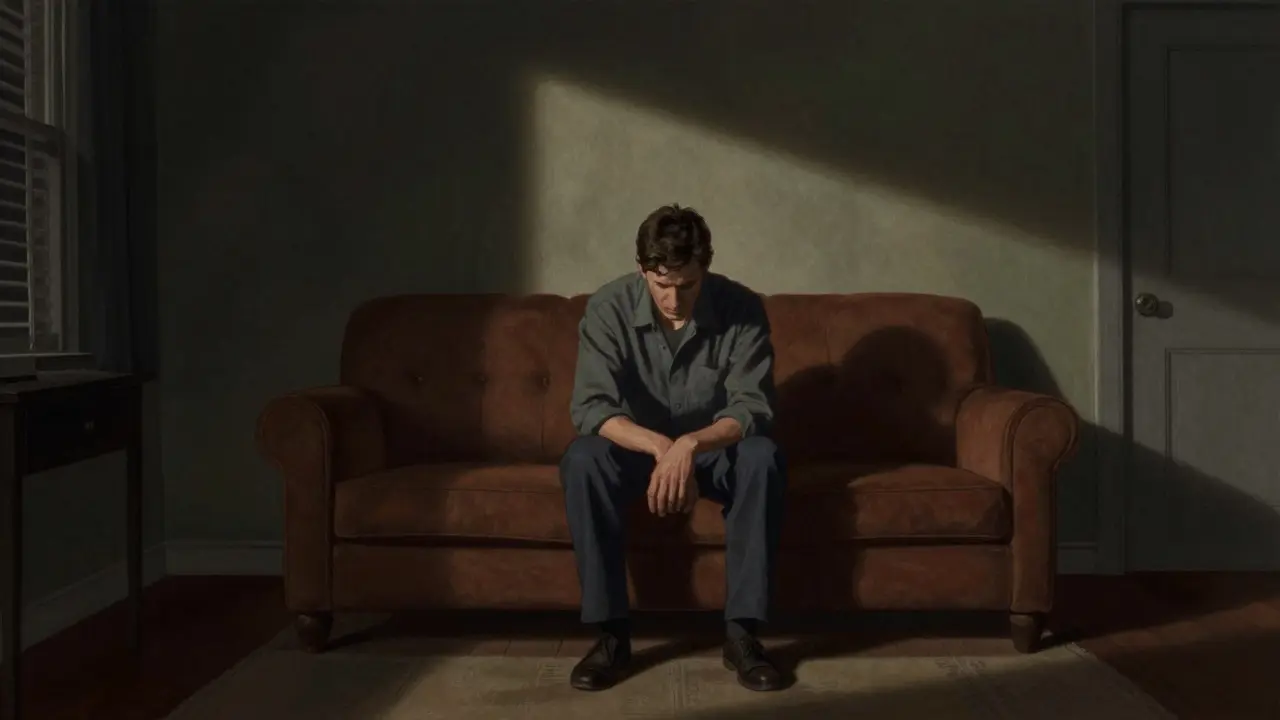
While pharmacies were dealing with empty shelves, the illicit drug market was undergoing its own transformation. You might think lockdowns would reduce drug use because people were stuck at home. The opposite happened. Isolation, anxiety, and lack of routine drove many toward substances. But here is the catch: the supply became unpredictable.
According to the National Institute on Drug Abuse (NIDA), the pandemic collided with an already worsening overdose crisis. Before the virus, overdose deaths were climbing. During the virus, they skyrocketed. From May 2019 to April 2020, there were 77,007 overdose deaths. In the following year (May 2020-April 2021), that number jumped to 97,990. By December 2022, we saw 107,941 deaths in a single twelve-month period.
Why the surge? Two main reasons:
- Adulteration: With traditional distribution networks disrupted, dealers turned to synthetic opioids like fentanyl. These are cheap to make and easy to ship in small quantities. Users who thought they were taking their usual dose often ended up consuming something far more potent.
- Isolation: When you use alone, you die alone. Naloxone (the overdose reversal drug) saves lives, but only if someone is there to administer it. Lockdowns meant fewer people around to help.
A user on Reddit described it perfectly in June 2020: "The street supply got weird after lockdowns started - people were getting knocked out by doses that used to be normal." That "weird" supply was laced with fentanyl, turning a bad habit into a fatal mistake.
The Telehealth Lifeline: A Mixed Blessing
If there was one bright spot in this dark chapter, it was the rapid expansion of telehealth. For years, regulations made it nearly impossible to prescribe medications for opioid use disorder (MOUD) like buprenorphine via video call. The pandemic forced the government's hand.
In February 2020, only 13% of buprenorphine prescriptions were written via telehealth. By April 2020, that number exploded to 95%. This was huge. For rural patients or those with mobility issues, this meant they could stay in treatment instead of driving hours to a clinic that might be closed.
However, this shift came with serious downsides. Not everyone has reliable internet. Older adults struggled with the technology. And perhaps most critically, the human connection was lost. Behavioral healthcare utilization dropped by 75% for people with private insurance during the summer of 2020. Group counseling, 12-step meetings, and community support services-the glue that holds recovery together-were largely suspended.
Dr. Nora Volkow, Director of NIDA, noted that expanded telehealth access was linked to reduced overdose likelihood among Medicare beneficiaries. But she also warned that without the social safety net of in-person support, many fell through the cracks.
Who Got Left Behind?
The pandemic didn't affect everyone equally. It acted as a magnifying glass for existing inequalities. Let's look at the geographic disparities. While some states saw modest increases in overdose deaths, others were devastated. West Virginia, Kentucky, Tennessee, Vermont, and Louisiana saw increases of more than 50%. New Hampshire, New Jersey, and South Dakota were rare exceptions, seeing decreases.
Consider the role of stigma. Many people who use drugs avoided seeking emergency care or testing for COVID-19 because they feared judgment or legal trouble. This fear kept them isolated and vulnerable. Meanwhile, harm reduction organizations like needle exchange programs had to adapt quickly. In Philadelphia, one program reported a 40% decrease in service provision during the initial lockdown. In Boston, public health officials responded by distributing 30% more naloxone kits in 2020 than in 2019, trying to offset the lack of supervised consumption sites.
Rural areas faced a double burden. They had less access to broadband for telehealth and fewer local pharmacies to fall back on during shortages. Urban centers had better digital infrastructure but higher density, making social distancing harder and increasing exposure risks for both patients and healthcare workers.

Lessons Learned and Future Risks
So, where do we stand now? As of mid-2026, the acute phase of the pandemic is behind us, but the structural weaknesses remain. The pharmaceutical industry still relies heavily on active ingredients manufactured in China and India. Any geopolitical tension or natural disaster can disrupt this flow again.
The 2023 National Defense Authorization Act included provisions to improve supply chain transparency, which is a step in the right direction. But experts argue we need more. We need domestic manufacturing capacity for critical drugs. We need better real-time tracking of inventory. And we need to address the root economic causes of shortages, not just patch them up when they happen.
For the opioid crisis, the challenge is even greater. The overdose death rate hasn't returned to pre-pandemic levels. It has become the new normal. The World Health Organization warns that delayed treatment seeking and accumulated mental health challenges will continue to drive substance use patterns for years to come.
What can you do? Stay informed. Know your medications. If you have a chronic condition, ask your doctor about having a buffer supply. If you or someone you know struggles with substance use, remember that telehealth options are still available and expanding. And never assume that "normal" means safe. The system is resilient, but it is not invincible.
| Aspect | Pharmaceutical (Legal) Market | Illicit Drug Market |
|---|---|---|
| Primary Disruption | Supply chain logistics and manufacturing delays | Distribution network fragmentation and adulteration |
| Peak Impact Period | February - April 2020 | Continued escalation throughout 2020-2022 |
| Key Risk Factor | Shortage of essential maintenance meds (insulin, BP) | Fentanyl-laced substances and solo use |
| Regulatory Response | FDA expedited reviews and manufacturer communication | Temporary DEA flexibilities for telehealth prescribing |
| Current Status (2026) | Mostly stabilized, but vulnerabilities remain | Overdose crisis persists at high levels |
Frequently Asked Questions
Did drug shortages return to normal after the pandemic?
Most pharmaceutical shortages returned to pre-pandemic levels by mid-2020 thanks to FDA interventions. However, the underlying supply chain vulnerabilities remain. Experts warn that future disruptions could occur if global logistics face new shocks, so the risk has not disappeared entirely.
Why did overdose deaths increase during lockdowns?
Overdose deaths rose due to a combination of factors: increased isolation leading to solo drug use, disruption of treatment and support services, and a shift in the illicit drug supply toward more potent and unpredictable substances like fentanyl. The lack of immediate bystander help significantly increased fatality rates.
Can I still get addiction treatment via telehealth?
Yes. Many of the telehealth flexibilities introduced during the pandemic have been made permanent or extended. You can consult with providers for medications like buprenorphine via video calls. Check with your insurance provider or local health department for specific services available in your area.
Which regions were hardest hit by drug-related crises?
States in the Appalachian region, such as West Virginia, Kentucky, and Tennessee, saw some of the steepest increases in overdose deaths (over 50%). Rural areas generally faced greater challenges accessing both pharmaceutical supplies and digital healthcare services compared to urban centers.
How did the pandemic change pharmaceutical supply chains?
The pandemic exposed the fragility of relying on global sources for active pharmaceutical ingredients. In response, policies like the 2023 National Defense Authorization Act aimed to increase transparency and encourage domestic manufacturing. Companies are now investing more in resilient, diversified supply chains to prevent future bottlenecks.