
How to Talk to Your Doctor About Drug Safety Alerts: A Patient’s Guide
 Jul, 7 2026
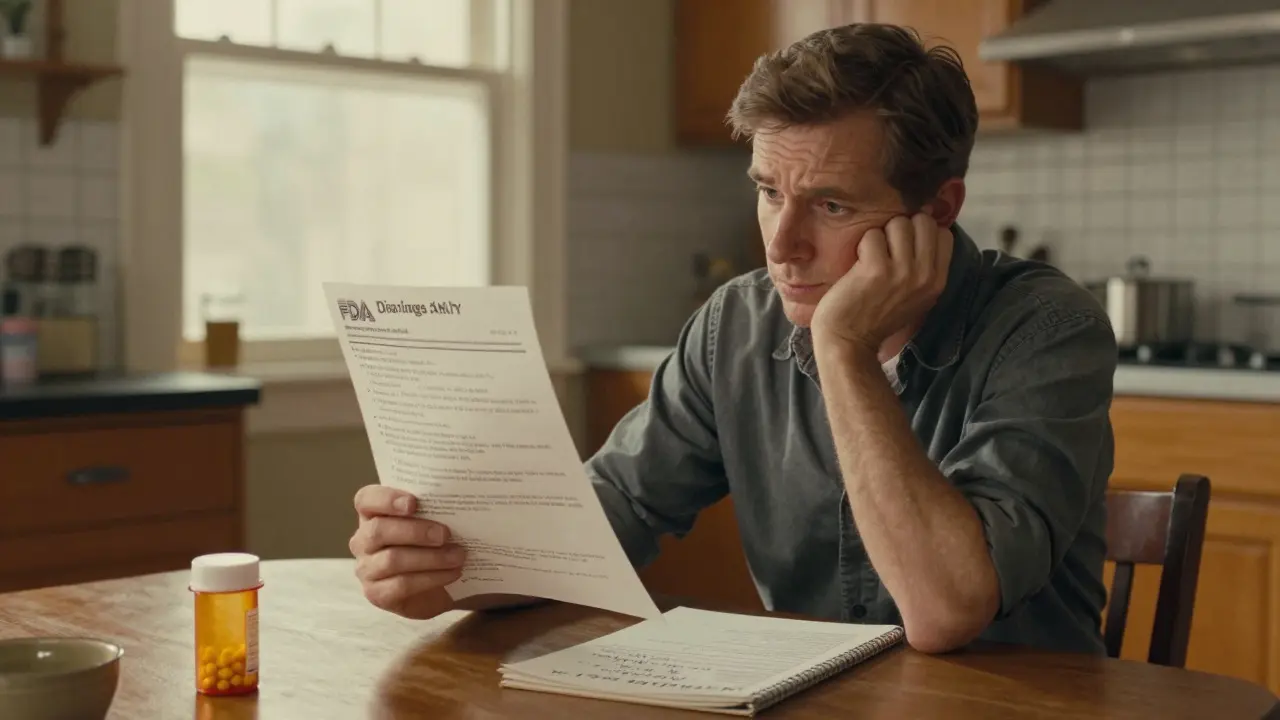
You read a headline about a serious risk with your daily medication. Your heart skips a beat. You wonder if you should stop taking it immediately or schedule an urgent appointment. This reaction is normal, but acting on impulse can be dangerous. Drug safety alerts are real, but they are also often misunderstood. The key isn’t panic; it’s preparation. Knowing how to discuss these alerts with your doctor turns anxiety into action and ensures your treatment plan remains safe and effective.
Regulatory agencies like the U.S. Food and Drug Administration (FDA) issue formal communications regarding newly identified risks associated with medications regularly. These aren't just rumors from social media. They are based on data from clinical trials, post-market surveillance, and adverse event reports. However, doctors are busy. They face 'alert fatigue' because their systems bombard them with warnings, many of which don't apply to specific patients. If you walk into an appointment unprepared, your concern might get dismissed as noise. If you walk in prepared, you become a partner in your care.
Understanding What a Drug Safety Alert Actually Means
Before you book that appointment, you need to understand what you’re holding. A drug safety alert is not necessarily a recall. It is rarely a command to stop taking your medicine immediately unless explicitly stated. Instead, it is a signal. It tells healthcare providers that new information has emerged-perhaps a rare side effect was found in long-term use, or a dangerous interaction with another common drug was discovered.
The FDA’s Drug Safety Communications program provides timely information about new safety issues. For example, in May 2023, the FDA required updates to boxed warnings for prescription stimulants used to treat ADHD due to risks of misuse and overdose. In July 2025, an alert required opioid manufacturers to update prescribing information regarding long-term use. These alerts contain specific details: the affected product name, the nature of the concern, and recommended actions. Your job is to find the official source, not a third-party blog interpreting it. Go directly to the FDA website or your country’s equivalent regulatory body. Read the entire document. Look for sections labeled 'What Patients Should Know' or 'Recommendations for Healthcare Professionals.'
Why Doctors Sometimes Seem Dismissive
You might have heard stories where doctors brush off patient concerns about safety alerts. There is a reason for this. Research published in PMC1447540 shows that clinicians override drug safety alerts in computerized order entry systems between 49% and 96% of the time. This doesn't mean they are ignoring safety; it means they are using clinical judgment. An alert might warn against a drug for patients with kidney issues, but if your kidneys are healthy, the alert doesn't apply to you. Dr. David Bates, a leading patient safety researcher, explains this using Reason's model of accident causation: physicians override alerts when they don't account for specific patient circumstances.
This creates a gap. The doctor sees a generic warning; you see a personal threat. Bridging this gap requires showing that you’ve done your homework. When a patient brings a printed copy of an official FDA communication, doctors take it seriously. As noted in a Mayo Clinic patient advisory group meeting, bringing Facebook memes causes unnecessary anxiety, but bringing the primary source respects the physician’s expertise and time.
Preparing for the Conversation: Step-by-Step
Preparation is half the battle. Here is how to set yourself up for a productive discussion:
- Find the Official Source: Do not rely on news headlines. Search the FDA’s Drug Safety Communications page by medication name. Note the date of the alert. Recentness matters.
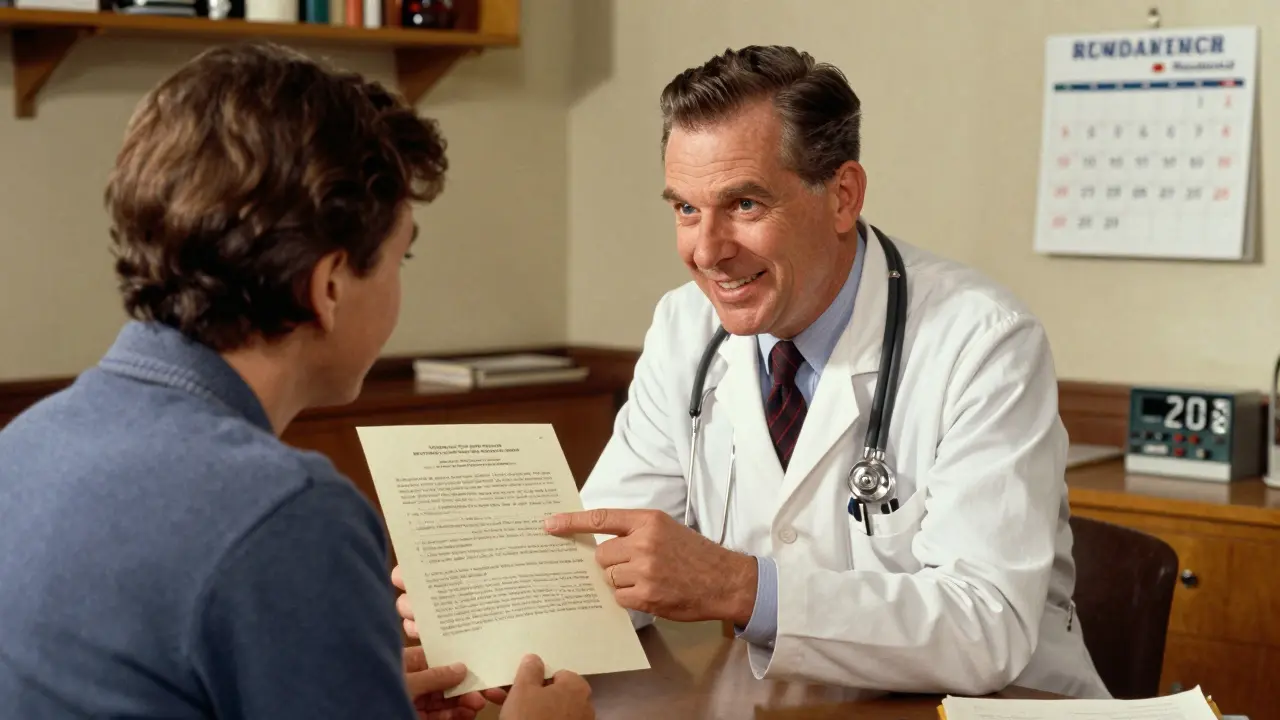
- Print the Document: Bring a physical copy to your appointment. Highlight the specific section that worries you. This saves time and shows you are focused.
- Review Your Own History: Write down your current medications, dosages, and any recent changes. Also note your medical history relevant to the alert (e.g., liver function, allergies).
- Draft Your Questions: Don't go in with vague worries. Prepare specific questions like, "Does this new risk apply to my specific health profile?" or "Do we need to adjust my dosage or monitoring schedule?"
During the Appointment: Communication Strategies
Timing is everything. Raise the issue in the first 2-3 minutes of your visit. Physicians are most alert at the start of an encounter. According to a study cited in the Journal of General Internal Medicine, early engagement yields better outcomes. Start with a clear, non-accusatory statement:
"I saw this FDA safety alert about [Medication Name] dated [Date]. I wanted to discuss how it might apply to my situation."
Avoid declarative statements like "This drug is dangerous." Instead, invite collaboration. Ask open-ended questions:
- "Based on this new information, do you recommend changing my treatment plan?"
- "Are there alternative medications that don't carry this specific risk?"
- "What symptoms should I watch for now that this risk has been highlighted?"
If your doctor seems dismissive, stay calm. Ask for clarification: "Can you help me understand why this alert doesn't apply to me?" Most doctors will appreciate the opportunity to explain the nuance. Remember, 68% of patients who brought safety alerts to appointments reported positive experiences where doctors welcomed the information, according to an analysis of patient comments on Healthgrades and RateMDs.
When to Seek a Second Opinion
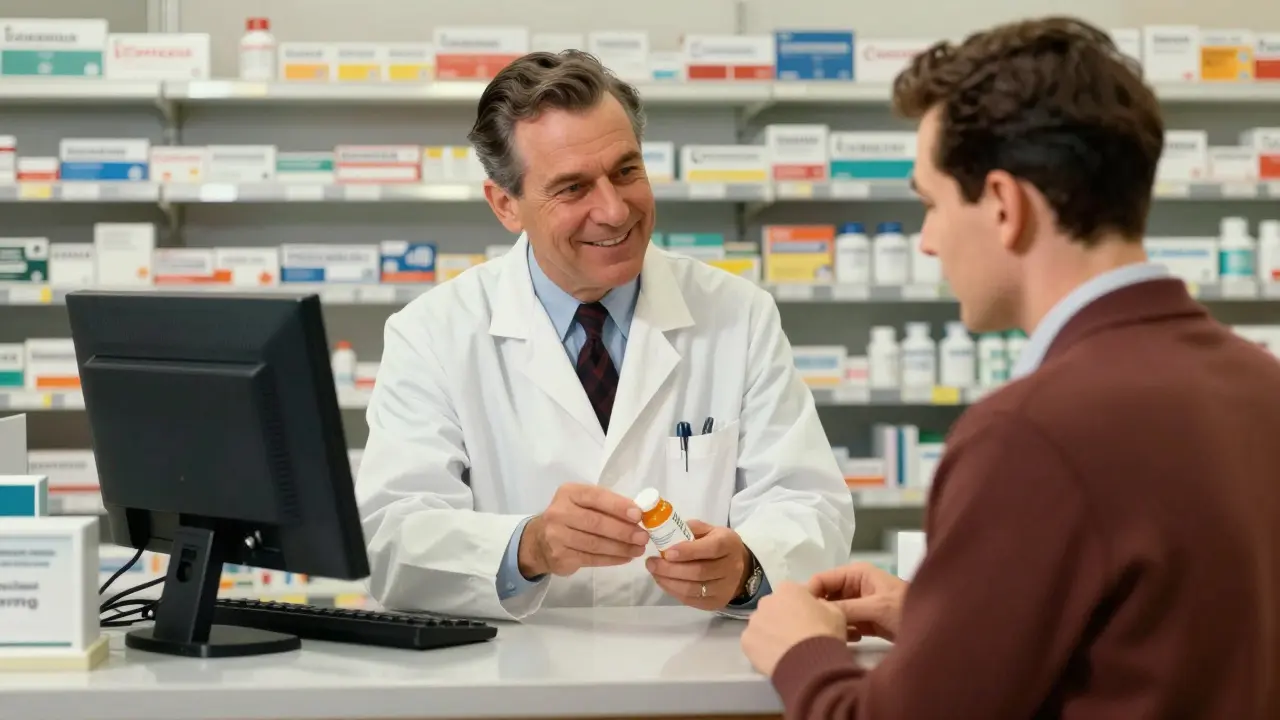
In some cases, your doctor may not have the latest information or may be too comfortable with your current regimen to consider change. If you feel your concerns are being brushed aside without explanation, it is okay to seek a second opinion. This is especially true if the alert involves a high-risk medication class, such as opioids or blood thinners. You can also consult a pharmacist. Pharmacists are medication experts and often receive detailed safety bulletins that doctors might miss. They can provide a quick check on whether the alert applies to your specific combination of drugs.
Monitoring and Follow-Up
After the conversation, document the outcome. Did you agree to continue the medication with increased monitoring? Did you switch drugs? Set reminders for any new tests or check-ups. Drug safety is an ongoing process. The global pharmacovigilance market is growing rapidly, projected to reach $1.42 billion by 2028, reflecting the increasing complexity of post-market safety monitoring. You are part of this system. By reporting side effects through programs like the FDA’s MedWatch, you contribute to the data that helps future patients.
| Alert Type | Typical Content | Action Required |
|---|---|---|
| Boxed Warning Update | New severe risk identified (e.g., addiction, organ damage) | Discuss necessity vs. risk with doctor; may require monitoring |
| Labeling Change | Clarification on dosage, contraindications, or interactions | Review current dosage and other medications |
| Recall | Contamination or manufacturing defect | Stop taking immediately; return unused portion |
| Safety Signal | Preliminary data suggesting a potential new risk | Be aware of symptoms; report any unusual effects |
Common Pitfalls to Avoid
Don't stop taking prescribed medication abruptly. This can cause withdrawal symptoms or worsen your condition. Don't rely on anecdotal evidence from friends or social media groups. While communities like Reddit’s r/healthcare offer support, individual experiences vary wildly. Finally, don't assume all alerts are equal. Some are minor clarifications; others are critical. The context provided by your doctor is essential.
Effective communication about drug safety alerts empowers you. It transforms fear into knowledge and passive receipt of care into active partnership. By preparing thoroughly and communicating clearly, you ensure that your treatment remains both safe and effective in a rapidly evolving medical landscape.
Should I stop taking my medication if I see a safety alert?
No, do not stop taking prescribed medication abruptly unless the alert explicitly states it is a recall or immediate danger. Stopping suddenly can lead to withdrawal symptoms or worsening of your condition. Contact your doctor or pharmacist first to discuss the alert and determine the best course of action for your specific health profile.
Where can I find official drug safety alerts?
You can find official alerts on the U.S. Food and Drug Administration (FDA) website under "Drug Safety Communications." Other countries have similar bodies, such as the Medicines and Healthcare products Regulatory Agency (MHRA) in the UK or the European Medicines Agency (EMA). Always verify the source to ensure the information is accurate and not a misinterpretation by third parties.
Why did my doctor dismiss my concern about a safety alert?
Doctors often face "alert fatigue" because their systems generate many warnings that do not apply to every patient. They may dismiss an alert if it does not match your specific medical history or if the risk is negligible for your demographic. Bringing the official document and asking for a specific explanation can help bridge this gap.
How can I report a side effect to the FDA?
You can report side effects through the FDA’s MedWatch program. You can submit reports online, by mail, by fax, or by phone. Healthcare professionals can also report adverse events. Reporting helps regulators identify patterns and issue future safety alerts, contributing to public health.
Is it better to ask my doctor or pharmacist about drug safety alerts?
Both are valuable resources. Your doctor manages your overall treatment plan and can decide on alternative therapies. Your pharmacist is an expert in medication interactions and often receives detailed safety bulletins. For quick checks on interactions or dosage adjustments, a pharmacist is an excellent first point of contact. For major treatment changes, consult your doctor.