
Medication Timers and Apps: The Ultimate Guide to Better Adherence
 Jun, 9 2026
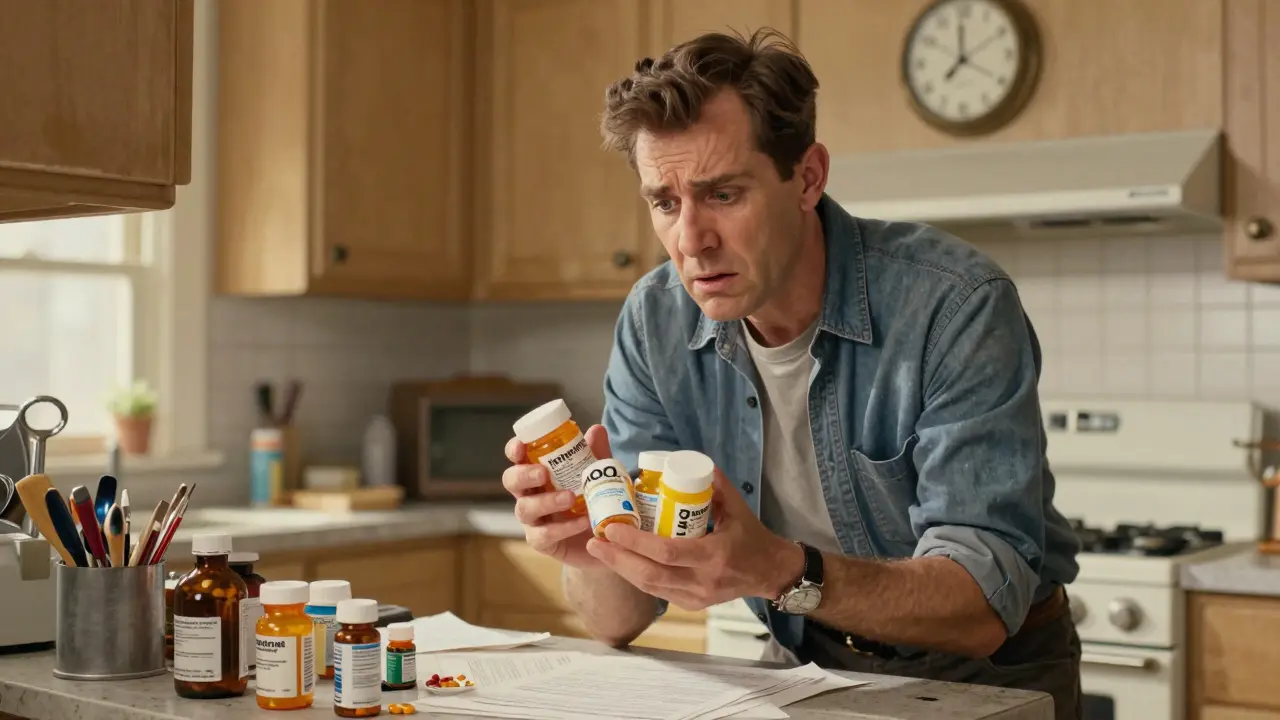
Imagine this: You’ve been prescribed a new medication to manage your blood pressure. It’s just one pill a day. Simple enough, right? But three months later, you realize you’ve missed nearly half of your doses. You didn’t forget on purpose; life got busy, routines shifted, and the daily task slipped through the cracks. This isn’t just a minor inconvenience-it’s a massive global health crisis. According to the World Health Organization, about 50% of patients with chronic conditions fail to take their medications as prescribed. That statistic is staggering. It leads to worse health outcomes, more hospital visits, and billions in wasted healthcare costs.
But here’s the good news: technology has stepped up to help. Medication adherence apps and digital timers have evolved from simple alarm clocks into sophisticated health tools. They don’t just beep at you; they track, educate, and motivate. In this guide, we’ll break down how these tools work, which ones are actually effective, and how you can use them to stay on top of your health without adding stress to your day.
Why We Forget: The Science Behind Non-Adherence
Before we dive into the tech, it helps to understand why sticking to a medication schedule is so hard. It’s rarely about laziness. Human memory is fallible, especially when dealing with complex regimens or subtle symptoms. If you feel fine, your brain doesn’t see an urgent need to take a pill. This is called "asymptomatic non-adherence."
Then there’s the complexity factor. Are you taking two pills in the morning, one at noon, and three at night? Do some go with food and others on an empty stomach? Cognitive load plays a huge role. When you’re juggling work, family, and errands, remembering specific medical instructions adds mental friction. Studies show that as the number of daily doses increases, adherence rates drop significantly. A regimen requiring four doses a day sees much lower compliance than one requiring just one.
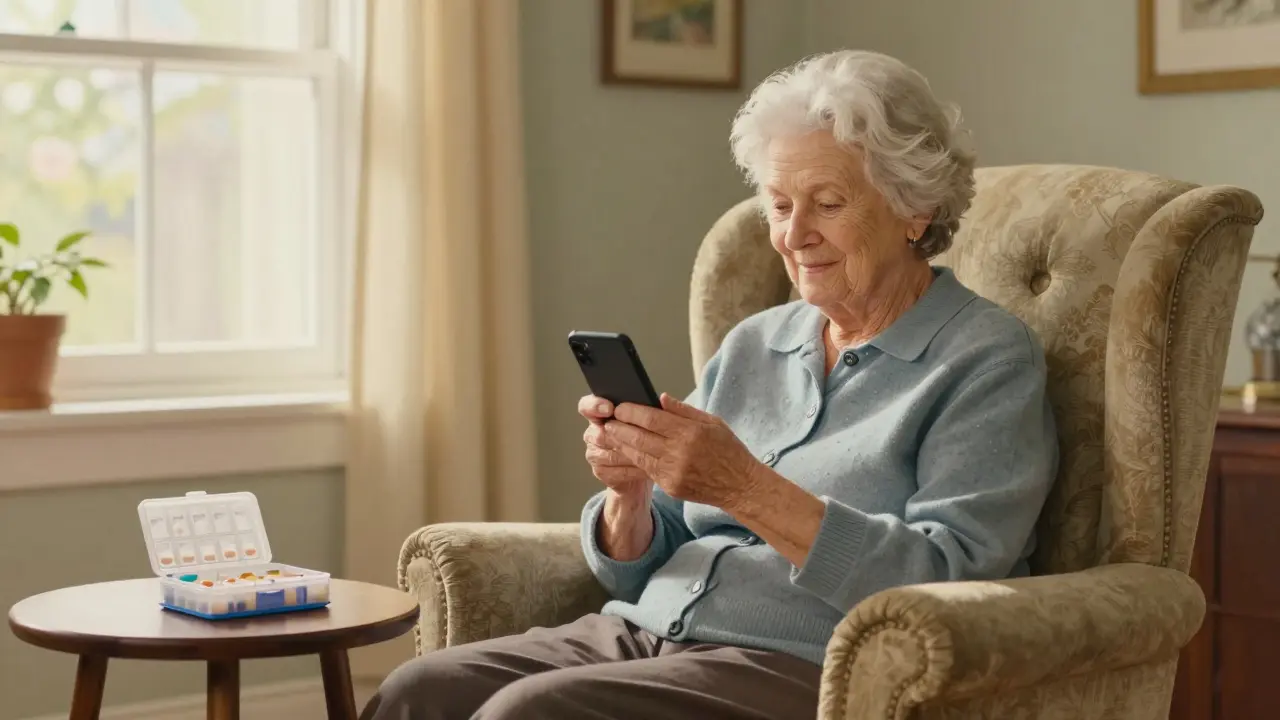
Digital tools address this by externalizing memory. Instead of relying on your brain to remember every detail, you offload that responsibility to a device you already carry everywhere: your smartphone. By turning an abstract obligation into a concrete notification, apps reduce the cognitive effort required to stay healthy.
How Medication Adherence Apps Work
At their core, medication adherence apps are digital health interventions designed to bridge the gap between prescription and consumption. They leverage the ubiquity of smartphones-remember, 97% of US adults own a smartphone (Pew Research, 2023)-to deliver reminders directly to your pocket.
Most effective apps share a common set of features:
- Customizable Reminders: These aren’t just generic alarms. You can set them for specific times, repeat patterns, and even add snooze options if you need a few extra minutes. A 2025 meta-analysis in JMIR found that 92.3% of reviewed apps included this feature because it’s the backbone of adherence.
- Digital Logs: When you take a pill, you mark it as done. This creates a history of your adherence. Over time, you can see streaks, missed days, and trends. This visual feedback loop is powerful for motivation.
- Educational Content: Many apps include libraries explaining what your medication does, potential side effects, and interactions. Understanding *why* you’re taking a drug often improves willingness to take it.
- Progress Dashboards: Gamification elements like badges or percentage scores make adherence feel like a game rather than a chore. 87.1% of top-rated apps include these tracking visuals.
These tools run on standard operating systems like iOS 12+ or Android 8.0+, meaning no special hardware is needed. You just download the app, enter your meds, and let it handle the rest.
Apps vs. Traditional Tools: What Works Best?
You might be wondering, "Can’t I just use a pill organizer box?" Sure, you can. Pill organizers are great for visual confirmation-they show you if a slot is empty. But they have limitations. They don’t remind you *when* to take the pill. They don’t tell you if you took the wrong dose. And if you travel, you have to carry the physical box.
Let’s compare the main contenders:
| Tool Type | Cost | Remind Capability | Data Tracking | Best For |
|---|---|---|---|---|
| Medication Apps | $0 - $5/month | High (Smart Notifications) | Yes (Detailed History) | Complex regimens, tech-savvy users |
| Electronic Medicine Boxes | $30 - $50/month | Medium (Beeps/Lights) | Limited (Opening Times Only) | Elderly with low digital literacy |
| SMS Reminders | Low/Free | Low (Text Only) | No | Basic single-dose reminders |
| Traditional Pill Organizers | $5 - $15 (one-time) | None | Visual Only | Simple once-daily routines |
The data speaks for itself. Mobile apps outperform traditional interventions like pill organizers by roughly 22.7% in adherence rates (Alex Therapeutics, 2024). Compared to SMS-based systems, apps show higher effect sizes in improving health outcomes, particularly in diabetes management. Why? Because apps offer multimodal engagement. They combine reminders with education and social support features, creating a holistic ecosystem rather than just a nudge.
Top Features to Look For in 2026
Not all apps are created equal. With over 217 active medication adherence apps on major stores, choosing the right one matters. Here’s what separates the leaders from the laggards:
- AI-Powered Personalization: Leading platforms like Medisafe now use machine learning to predict when you might miss a dose based on your past behavior. Their "Adherence Coach" feature, launched in early 2024, predicts missed doses with over 83% accuracy during beta testing. It adjusts reminders dynamically-if you usually snooze at 8 AM, it might prompt you earlier.
- EHR Integration: The best apps connect with your Electronic Health Record (EHR) via HL7/FHIR standards. This means your doctor can see your adherence data during check-ups, allowing for more informed care decisions. It also automates refill requests to your pharmacy.
- Security and Privacy: Your health data is sensitive. Look for apps that are HIPAA compliant and use end-to-end encryption. Biometric authentication (FaceID or fingerprint) adds another layer of protection. Note that only about 64% of apps clearly document their security measures, so read the privacy policy carefully.
- Family/Caregiver Support: If you’re managing meds for a parent or child, look for apps that allow shared accounts. Caregivers can receive alerts if a dose is missed, providing a crucial safety net.
Avoid apps that require excessive permissions unrelated to health, such as access to your contacts or photos, unless there’s a clear reason for it.
Overcoming Common Hurdles
Even the best app won’t work if you stop using it. One of the biggest challenges with digital health tools is long-term engagement. Studies note that adherence drops by 35-40% after three months without additional support mechanisms. Here’s how to beat the slump:
Notification Fatigue: If you’re getting too many alerts, you’ll start ignoring them. Customize your notifications. Use iOS Focus modes or Android Do Not Disturb settings to ensure medication alerts break through while silencing less important pings. Set reminders only for critical windows, not every hour.
Onboarding Complexity: Setting up an app can be daunting, especially for older adults. Data shows that users aged 65+ take an average of 42 minutes to set up an app, compared to 18 minutes for younger users. If you’re helping someone else, sit down with them. Walk through the process step-by-step. Most apps have a 6th-grade reading level interface, making them accessible once configured.
The Digital Divide: Let’s be real-these tools require a smartphone and basic digital literacy. About 15-20% of medically underserved populations are excluded due to lack of access or skills. If you don’t have a smartphone, consider asking your pharmacist or doctor about electronic medicine boxes or community-based support programs. Technology should empower, not exclude.

Real-World Impact: Does It Actually Help?
The short answer is yes. Systematic reviews of 14 randomized controlled trials (RCTs) consistently report improved adherence outcomes. On the Morisky Medication Adherence Scale (MMAS-8), app users showed a mean difference improvement of 0.57 points-a statistically significant jump. This translates to real-world health benefits. For example, users managing diabetes reported HbA1c levels dropping from 8.2 to 6.9 after six months of consistent app use (Reddit user testimony, 2024).
Dr. Sarah Park, Director of Digital Health at Johns Hopkins, states that the evidence is "incontrovertible" regarding the efficacy of mobile apps across chronic conditions like cardiovascular disease, diabetes, and HIV. However, Dr. Michael Rodriguez of UCSF cautions that we must address the digital divide. These tools are powerful, but they aren’t a silver bullet for everyone. They work best when combined with patient education and clinical support.
Getting Started: Your Action Plan
Ready to try a medication timer app? Here’s a simple checklist to get started:
- Choose Your App: Start with highly rated options like Medisafe, MyTherapy, or Round Health. Check recent reviews for updates and bugs.
- Input Your Regimen: Enter all your medications, including dosages and frequencies. Be precise. If a med is taken "with food," note that.
- Set Up Alerts: Test the notifications. Ensure they’re loud enough and visible on your lock screen.
- Involve Your Circle: If possible, add a caregiver or friend as a backup contact. Accountability partners boost success rates.
- Review Weekly: Spend five minutes each week reviewing your log. Celebrate streaks and identify patterns where you tend to slip up.
Remember, the goal isn’t perfection; it’s progress. Even small improvements in adherence can lead to significant health gains over time.
Are medication adherence apps free?
Many popular apps like Medisafe and MyTherapy offer robust free versions that include basic reminders and logging. Premium tiers, typically costing $4.99 to $9.99 per month, unlock advanced features like AI coaching, unlimited caregivers, and detailed analytics. For most users, the free version is sufficient to improve adherence significantly.
Do doctors recommend medication apps?
Yes, increasingly so. With the rise of value-based care models, 42.6% of Medicare Advantage plans now cover adherence apps as supplemental benefits. Doctors appreciate the data insights these apps provide, allowing for more personalized treatment adjustments during visits.
Is my health data safe in these apps?
Reputable apps prioritize security with HIPAA compliance and end-to-end encryption. However, always check the privacy policy. Avoid apps that sell data to third parties. Look for certifications and clear statements about data usage. Biometric login adds an extra layer of personal security.
What if I don’t have a smartphone?
If you lack smartphone access, consider alternative tools like electronic medicine boxes (e.g., MedMinder) which send alerts to caregivers via phone calls. Community health workers or pharmacists may also offer traditional pill organizers or manual tracking logs. The key is finding a system that fits your technological comfort and access level.
Can apps help with complex medication schedules?
Absolutely. Apps excel at managing complex regimens, such as those for HIV or cancer treatment, where timing is critical. They can handle multiple daily doses, varying intervals, and conditional rules (e.g., "take only if temperature exceeds 100°F"). This reduces errors and ensures therapeutic effectiveness.