
Sleep Restriction Therapy Guide: Resetting Insomnia Patterns Naturally
 Mar, 31 2026
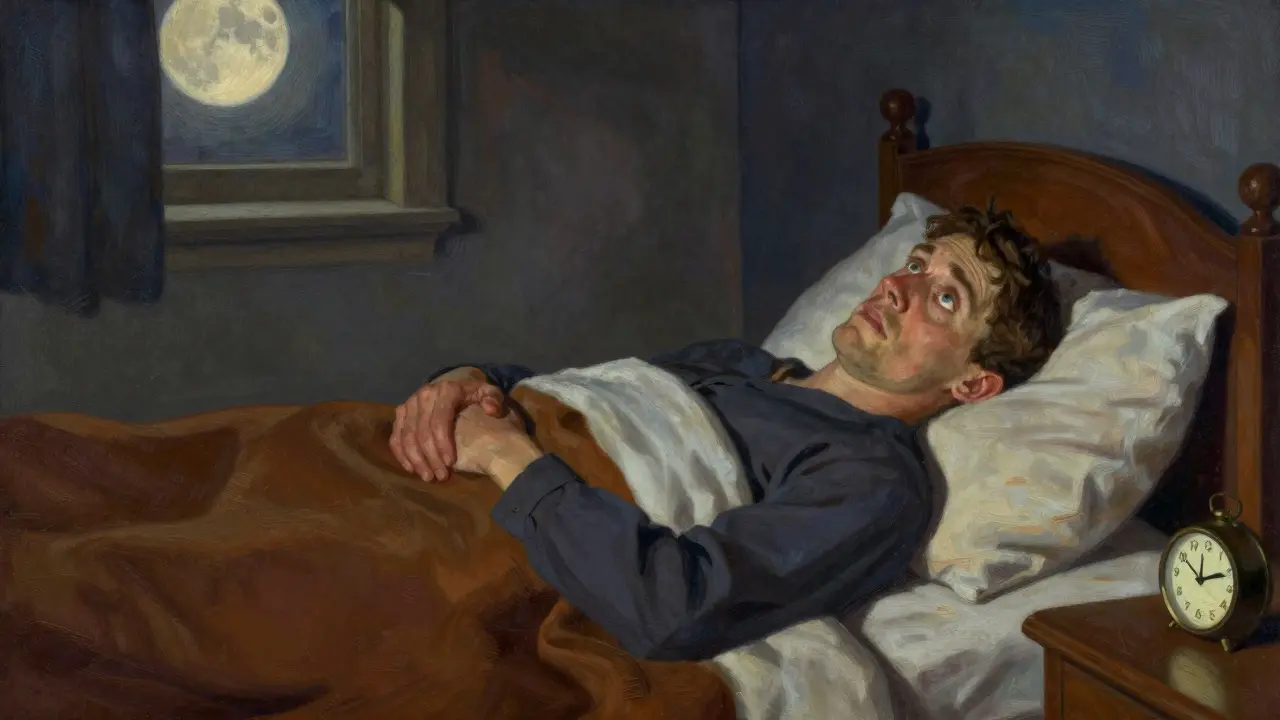
You know that feeling of staring at the ceiling while the clock ticks past 2 AM. You spent six hours in bed, yet you still feel exhausted because your brain kept you awake for three of those hours. This cycle isn't just frustrating; it actually trains your brain to associate the bedroom with wakefulness. Sleep Restriction Therapy is a behavioral treatment technique designed to address chronic insomnia by limiting time in bed to match actual sleep time. It might sound counterintuitive to restrict sleep when you are already tired, but this method forces your body to build up a strong natural drive for rest.
Understanding the Core Concept of Sleep Restriction
Dr. Arthur Spielman developed this approach decades ago, and it remains a cornerstone of modern sleep medicine today. The logic is simple: if you spend eight hours in bed but only sleep five, your mind learns to expect three hours of wakefulness during that window. By shrinking the time allowed in bed to match your actual sleep time, you eliminate the opportunity for that wakeful wandering. This creates a backlog of sleep pressure, often called homeostatic sleep drive.
According to the American Academy of Sleep Medicine's 2023 guidelines, Sleep Restriction Therapy is classified as a 'guideline treatment' with moderate clinical certainty. Unlike sleeping pills, which mask the problem chemically, this method retrains your biological clock. Think of it like dieting but for rest. You reduce the intake of 'bed time' until your hunger for sleep is high enough to fall asleep instantly when you get under the covers.
The Step-by-Step Implementation Protocol
Implementing this strategy requires precision. You cannot guess your numbers; you need data. The process typically follows a strict multistep protocol supported by resources like the Sleep Foundation's 2023 documentation.
- Track Your Baseline: For seven days, you must keep a detailed sleep diary. Record exactly when you got in bed, when you think you fell asleep, how many times you woke up, and your final wake-up time. This calculates your average Total Sleep Time.
- Set Your Initial Window: If your diary shows you average five hours of sleep despite spending seven hours in bed, your initial prescription becomes five hours of time-in-bed. If you fall asleep faster and wake up later naturally, you can adjust. But start strictly.
- Anchor Your Wake Time: Pick a fixed wake-up time every single day, including weekends. This regulates your circadian rhythm. Do not nap during the day, even for twenty minutes, as this undermines the pressure built up during the night.
- Increase Time Gradually: Only extend your time in bed when your sleep efficiency reaches 85-90%. This happens for three consecutive nights. Add 15 to 30 minutes to your scheduled bedtime. Repeat until you reach 7-8 hours of solid rest.
This routine typically takes about six to eight weeks to see significant improvement. Most people find that the initial few weeks are tough due to the controlled sleep deprivation involved. However, user reports from platforms like Reddit show that once the schedule stabilizes, falling asleep within 15 minutes becomes common.

How It Compares to Other Treatments
Many patients wonder why they shouldn't just take a pill. Medications like benzodiazepines often show only 60-70% effectiveness in similar metrics and carry risks of rebound insomnia when stopped. In contrast, Cognitive Behavioral Therapy for Insomnia, which includes sleep restriction and stimulus control techniques, demonstrates superior long-term durability.
| Treatment Type | Effectiveness Rate | Long-Term Retention | Cost Range |
|---|---|---|---|
| Sleep Restriction Therapy | 78% sustained improvement | High (effects strengthen) | $50 - $2,500 USD |
| Sleep Medications | 60% - 70% effective | Low (rebound common) | Variable (Prescription cost) |
| Sleep Hygiene Alone | Approximately 31% lower than SRT | Moderate | Low |
Data from 2023 indicates that SRT participants in studies cut their restless time in bed significantly better than medication users. Specifically, Sleepstation.org.uk reported that 78% of SRT completers maintained improvements at a six-month follow-up, compared to just 32% for pharmacological interventions. While sleep hygiene education alone helps, it falls short without the structural constraints that restriction provides.
Managing the Challenges of Restriction
You need to be realistic about the downsides. Dr. Rachel Salas of Johns Hopkins University emphasizes that this treatment often requires careful implementation to avoid anxiety. During the first week or two, you will likely experience temporary daytime fatigue. Sleep Education warns that this contraindicates driving or operating heavy machinery if you feel unsafe. Many users report significant drowsness in the initial phase, which is normal but requires you to stay alert at work.
The biggest pitfall is inconsistency. If you cheat by extending your weekend sleep or taking a quick nap, you reset the progress. About 41% of unsuccessful attempts attributed failure to this exact behavior. You need cognitive flexibility to push through the urge to lie down early, even though your body screams for rest. Support resources like digital tools, such as CBT-i Coach, help with adherence and offer structured reminders.

Digital Tools and Modern Access
Accessing a therapist trained in these methods used to be difficult, but the landscape changed in 2024. The American College of Physicians expanded their recommendation to include digital platforms. Apps like Somryst received FDA clearance in October 2023 to deliver this therapy remotely. These tools can automate the tracking and scheduling parts of the protocol, making it accessible to people without insurance coverage for traditional clinical sessions. Market analysis suggests adoption of these non-pharmacological tools is growing at 14.3% annually.
Frequently Asked Questions
Is Sleep Restriction Therapy safe?
Yes, it is considered safe when monitored. However, you should not drive if you feel excessively sleepy during the initial adaptation phase. Those with severe comorbid conditions like depression need professional supervision before starting.
How quickly does it work?
Many people report feeling changes within 2 to 3 weeks. Full stabilization usually takes 6 to 8 weeks. Some users note that sleep quality improves immediately after the third night of strict adherence.
Can I nap during this therapy?
You should avoid napping completely. Even a 20-minute nap can significantly reduce the sleep drive necessary to consolidate your nighttime sleep. Consistency is key to building pressure.
Who should not use this method?
Shift workers or those with uncontrolled psychiatric disorders may find this difficult. Always consult a doctor to rule out sleep apnea or narcolepsy before beginning any behavioral sleep program.
Does insurance cover sleep therapy?
Coverage varies by state. As of early 2024, only 12 states mandate insurance coverage for CBT-I. Digital health plans sometimes offer broader access at lower costs compared to in-person clinical sessions.
Molly O'Donnell
April 1, 2026 AT 20:48People who complain about sleep restrictions never try the actual work themselves.
Rod Farren
April 3, 2026 AT 12:36The homeostatic pressure builds up significantly when you limit your REM cycles intentionally during this protocol which improves total sleep efficiency scores rapidly.
Callie Bartley
April 3, 2026 AT 13:21Honestly this feels like another way for institutions to exploit vulnerable patients who just want basic rest.
Cara Duncan
April 4, 2026 AT 04:39But it really does help some of us who struggle with falling asleep quickly 🤗
Russel Sarong
April 5, 2026 AT 06:23I am experiencing the exact symptoms described in this article and it is absolute chaos in my household!!!!
Christopher Beeson
April 5, 2026 AT 11:07Insomnia is simply the mind refusing to submit to the inevitable darkness of the night cycle.
Owen Barnes
April 7, 2026 AT 05:51Maybe u shud just chill out a bit more cause stress makes teh brain go wild sometimes. It really helps if u stop trying so hard to fix everything instantly.
Arun Kumar
April 8, 2026 AT 14:51Positive mindset is crucial so remember that your body knows how to heal itself naturally.
James DeZego
April 9, 2026 AT 04:55Also consider light exposure in the morning to reset the circadian clock faster :)
Jenny Gardner
April 10, 2026 AT 18:15I understand the hesitation people have regarding strict protocols. It requires significant discipline to maintain the boundaries you set initially. The data indicates high success rates when adherence remains consistent throughout the weeks. Many patients report feeling worse before they experience any tangible relief in their routine. You must ignore the initial urge to abandon the schedule when fatigue sets in heavily. There is a misconception that comfort equates directly to better health outcomes in this context. Your brain needs to rewire its association with the bedroom environment slowly over time. Medical supervision helps mitigate risks associated with severe drowsiness during the day. Digital tools provide necessary reminders that humans often forget when tired. Consistency acts as the anchor that holds the entire therapeutic framework together effectively. Weekends cannot be used to sleep in or you undo all previous progress made. Naps disrupt the accumulation of sleep drive needed for efficient nighttime consolidation. Most individuals find stabilization occurs within the six to eight week mark usually. Patience is required alongside rigorous tracking of your personal sleep efficiency metrics daily. The final result is worth the struggle since long term improvement exceeds medication options. You truly gain control over your rest once you commit to the full duration of the plan.