
Sodium and Hypertension: Practical Ways to Lower Intake
 May, 25 2026
You probably know that eating too much salt is bad for your heart. But do you really understand why? It’s not just about the shaker on your dinner table. The real culprit hiding in your pantry and local takeout menus is sodium, and its link to hypertension (chronically high blood pressure) is one of the most proven relationships in modern medicine.
If you’ve been diagnosed with high blood pressure, or if it runs in your family, cutting sodium isn’t just a suggestion-it’s a lifeline. Recent data from 2023 and 2024 shows that even small changes in how much salt you eat can drop your blood pressure numbers significantly within days. This guide cuts through the confusion to give you practical, actionable steps to lower your intake without sacrificing flavor.
The Real Connection Between Salt and Blood Pressure
To fix the problem, we first need to look at the mechanism. When you consume excess sodium, your body tries to balance the concentration in your blood by holding onto water. Think of your blood vessels like garden hoses. If you keep adding water (volume) but don’t widen the hose, the pressure inside rises. That is exactly what happens in your arteries.
This process, known as the pressure-natriuresis response (the kidney's ability to excrete sodium to regulate blood volume), goes into overdrive. High sodium intake also stiffens your large elastic arteries and reduces the availability of nitric oxide, a molecule that helps your blood vessels relax and dilate. Without enough nitric oxide, your vessels stay tight, forcing your heart to pump harder against higher resistance.
The evidence is stark. A major study published in JAMA Network in November 2023, known as the CARDIA-SSBP study, found that just one week on a low-sodium diet lowered systolic blood pressure by an average of 8 mmHg in middle-aged adults. For context, a drop of just 5 mmHg can reduce your risk of stroke by nearly 10% and coronary heart disease by 7%. You don’t need years of dieting to see results; your body responds almost immediately when you stop flooding it with salt.
How Much Sodium Is Too Much?
Navigating the recommended limits can feel contradictory because different health organizations have slightly different targets. Here is the breakdown based on current guidelines:
- World Health Organization (WHO): Recommends less than 2,000 mg of sodium per day (which equals about 5 grams of table salt).
- American Heart Association (AHA): Advocates for an ideal limit of 1,500 mg per day for optimal cardiovascular health, though they acknowledge 2,300 mg as a maximum ceiling.
- Current Reality: Most adults in Western countries consume between 3,400 and 4,000 mg daily-more than double the recommended amount.
It is important to note that the relationship between sodium and blood pressure isn't always a straight line. Research suggests a "J-shaped curve," meaning that while very high intake is dangerous, extremely low intake (below 1,500 mg) might trigger adverse hormonal responses in specific groups, such as those with advanced kidney disease or heart failure. However, for the vast majority of people with hypertension, aiming for the 1,500-2,000 mg range is the safest bet.
| Category | Daily Sodium Limit (mg) | Equivalent Table Salt |
|---|---|---|
| AHA Ideal Limit | 1,500 mg | ~3.75 grams |
| WHO Recommendation | 2,000 mg | ~5 grams |
| FDA Daily Value Label | 2,300 mg | ~5.75 grams |
| Average US Adult Intake | 3,400+ mg | ~8.5+ grams |
Where Is Your Sodium Hiding?
Here is the hard truth: only about 25% of the sodium you eat comes from the salt shaker. The remaining 75% is hidden in processed foods and restaurant meals. According to the CDC, bread, cold cuts, pizza, soups, and sandwiches are the top contributors to sodium intake in American diets.
Consider this comparison:
- Home-cooked chicken breast (grilled, no sauce): ~70 mg sodium.
- Fast-food burger combo: 1,500-2,500 mg sodium.
- Canned tomato soup (regular): ~900 mg per cup.
- One slice of white bread: ~150-200 mg sodium.
That single slice of bread contains more salt than many people realize. When you add toast, lunch meat, and a side of chips, you have likely exceeded your entire daily limit before dinner even starts. The key to lowering intake isn't just avoiding salty tastes; it's avoiding processed ingredients entirely.
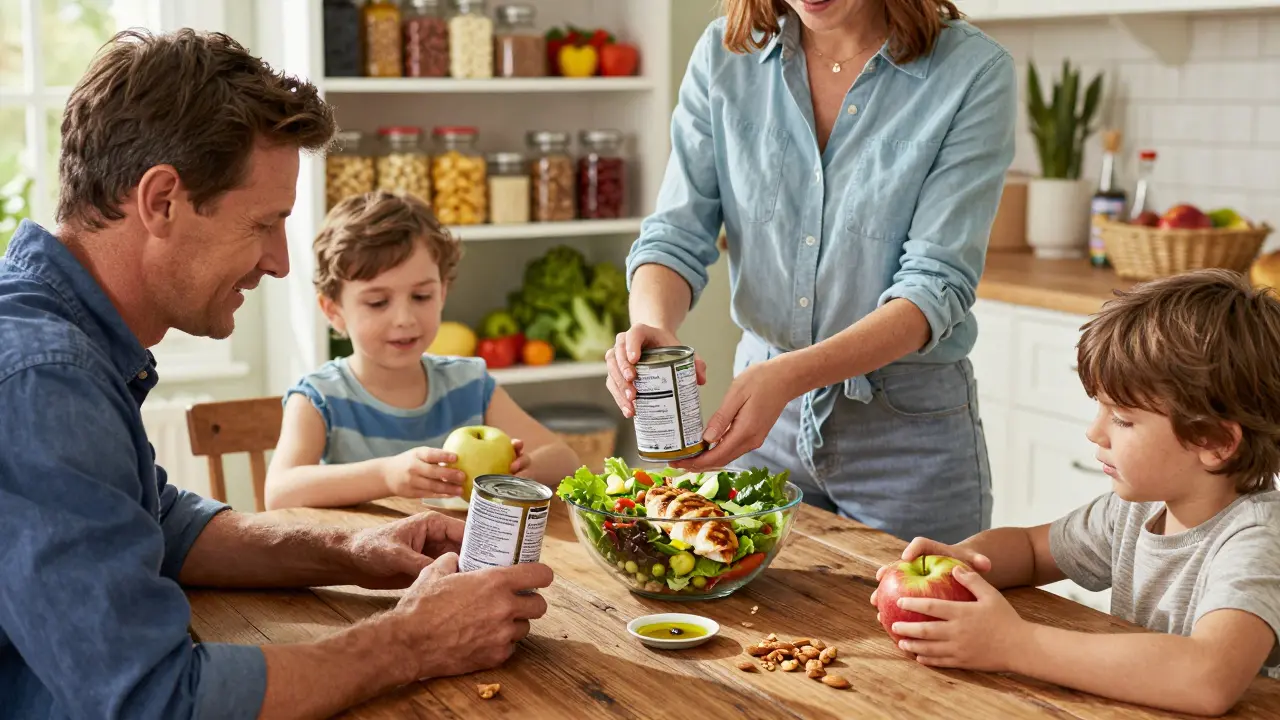
Practical Strategies to Cut Sodium Without Losing Flavor
Going cold turkey on salt is miserable and unsustainable. Instead, use these evidence-based strategies to retrain your palate gradually.
- The 10% Rule: Reduce the amount of salt you add to cooking by 10% each month. Your taste buds adapt quickly. Most people report that after three weeks, food that used to taste normal now seems bland, and previously salty foods taste overwhelming. This was a common finding among users in online hypertension support communities.
- Swap for Potassium: Consider using potassium-based salt substitutes (like those containing potassium chloride). These can reduce sodium intake by 300-500 mg per meal. Note: Consult your doctor before doing this if you have kidney issues, as excess potassium can be dangerous for them.
- Embrace Acid and Heat: Salt masks flavors, but acid highlights them. Use lemon juice, vinegar (balsamic, apple cider, rice wine), and fresh herbs (basil, cilantro, rosemary) to brighten dishes. Chili flakes and garlic powder add depth without adding sodium.
- Read Labels Like a Detective: Look for the "% Daily Value" (%DV) on nutrition labels. If a food has more than 20% DV per serving, it is considered high in sodium. Aim for items with less than 5% DV.
Eating Out and Navigating Restaurants
Dining out is where most people blow their sodium budget. A typical restaurant salad with croutons, bacon bits, and creamy dressing can contain up to 1,200 mg of sodium. Here is how to handle it:
- Sauces on the Side: Always request dressings, sauces, and gravies on the side. Dip your fork instead of pouring. This simple habit can save 300-500 mg per meal.
- Choose Grilled Over Fried: Breading and frying often involve salt-heavy marinades. Grilled proteins usually come with minimal added sodium.
- Beware "Healthy" Traps: Items like sushi (soy sauce), hummus, and pretzel crisps are sodium bombs. One tablespoon of soy sauce contains about 900 mg of sodium-nearly half your daily limit.
- Rinse Canned Goods: If you buy canned beans or vegetables, rinse them thoroughly under water. This can remove up to 40% of the added sodium.
Is Everyone Salt Sensitive?
Not everyone reacts to sodium in the same way. Approximately 50% of people with hypertension and 25% of those with normal blood pressure are "salt-sensitive." This means their blood pressure rises significantly when they consume extra salt. The CARDIA-SSBP study found that 46% of participants were classified as salt-sensitive, experiencing a mean arterial pressure drop of 5 mmHg or more when switching to a low-sodium diet.
If you are unsure if you are sensitive, pay attention to how you feel after a heavy, salty meal. Do you experience bloating, headaches, or swelling in your hands and feet? These are signs that your body is struggling to manage the fluid load. While genetic testing for salt sensitivity is emerging, the safest approach for anyone concerned about heart health is to assume you are sensitive and limit intake accordingly.
The Role of Potassium: The Natural Antidote
Lowering sodium is only half the equation. To truly manage hypertension, you need to increase your potassium intake. Potassium helps your kidneys get rid of sodium and eases tension in your blood vessel walls. The goal is a balanced ratio.
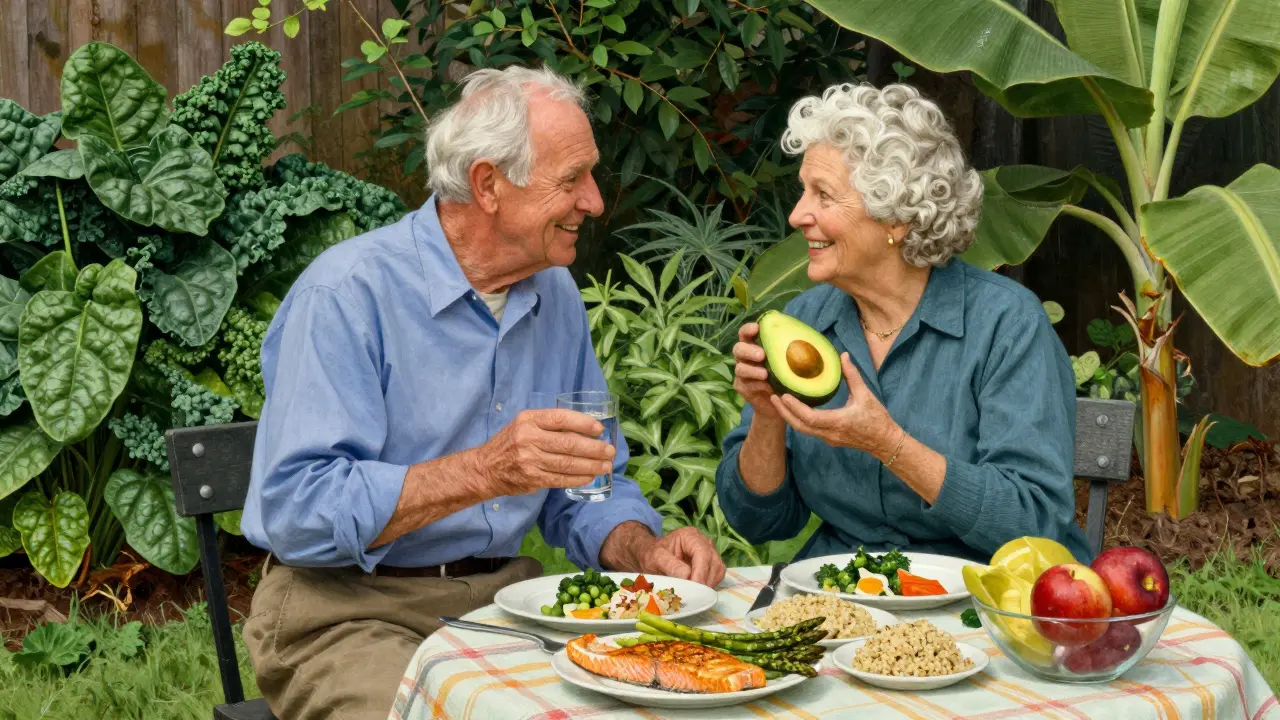
Aim for 3,500-5,000 mg of potassium daily through whole foods. Excellent sources include:
- Bananas
- Spinach and kale
- Avocados
- White beans and lentils
- Sweet potatoes
Studies show that combining sodium reduction with increased potassium intake yields greater blood pressure drops than sodium restriction alone. In the PREMIER trial follow-up, participants who adopted a high-potassium, low-sodium approach saw a 7.2 mmHg greater reduction in systolic pressure compared to those who only cut salt.
Putting It All Together: A Sample Low-Sodium Day
Planning ahead is the best defense against hidden sodium. Here is a realistic day of eating that keeps you under 1,500 mg:
- Breakfast: Oatmeal made with water or unsweetened almond milk, topped with fresh berries and a sprinkle of cinnamon. (~10 mg sodium)
- Lunch: Large salad with mixed greens, grilled chicken breast (seasoned with lemon and pepper), cherry tomatoes, cucumbers, and olive oil/vinegar dressing. (~200 mg sodium)
- Snack: An apple and a handful of unsalted almonds. (~0 mg sodium)
- Dinner: Baked salmon with roasted asparagus and quinoa. Season with garlic powder, dill, and lemon juice. (~300 mg sodium)
- Total: ~510 mg sodium. This leaves you plenty of room for minor additions throughout the day while staying well below the 1,500 mg target.
Reducing sodium is not about deprivation; it’s about returning to whole, natural flavors. By focusing on fresh ingredients, reading labels carefully, and using herbs instead of salt, you can take control of your blood pressure and protect your heart for years to come.
How quickly does reducing sodium lower blood pressure?
Research indicates rapid effects. The CARDIA-SSBP study showed that just one week of a low-sodium diet resulted in an average 8-mm Hg reduction in systolic blood pressure. Many people notice reduced bloating and better energy levels within a few days.
Can I use salt substitutes if I have high blood pressure?
Potassium-based salt substitutes can be helpful for reducing sodium intake, but they are not safe for everyone. If you have chronic kidney disease or take certain medications (like ACE inhibitors or potassium-sparing diuretics), excess potassium can be dangerous. Always consult your healthcare provider before switching to salt substitutes.
What are the highest sodium foods to avoid?
The biggest offenders are processed meats (bacon, ham, deli slices), canned soups, frozen dinners, pizza, bread, and condiments like soy sauce, ketchup, and salad dressings. Restaurant meals, especially Chinese, Italian, and fast food, are also extremely high in hidden sodium.
Does sea salt or Himalayan pink salt have less sodium?
No. Chemically, sea salt, Himalayan pink salt, and regular table salt are all primarily sodium chloride. They contain roughly the same amount of sodium by weight. While specialty salts may have trace minerals, they do not offer a significant health advantage regarding blood pressure control.
How much potassium should I aim for daily?
Most health organizations recommend an intake of 3,500 to 5,000 mg of potassium per day for adults. Focus on getting this from whole foods like bananas, spinach, avocados, and beans rather than supplements, unless directed by a doctor.