
Category: Medications - Page 3
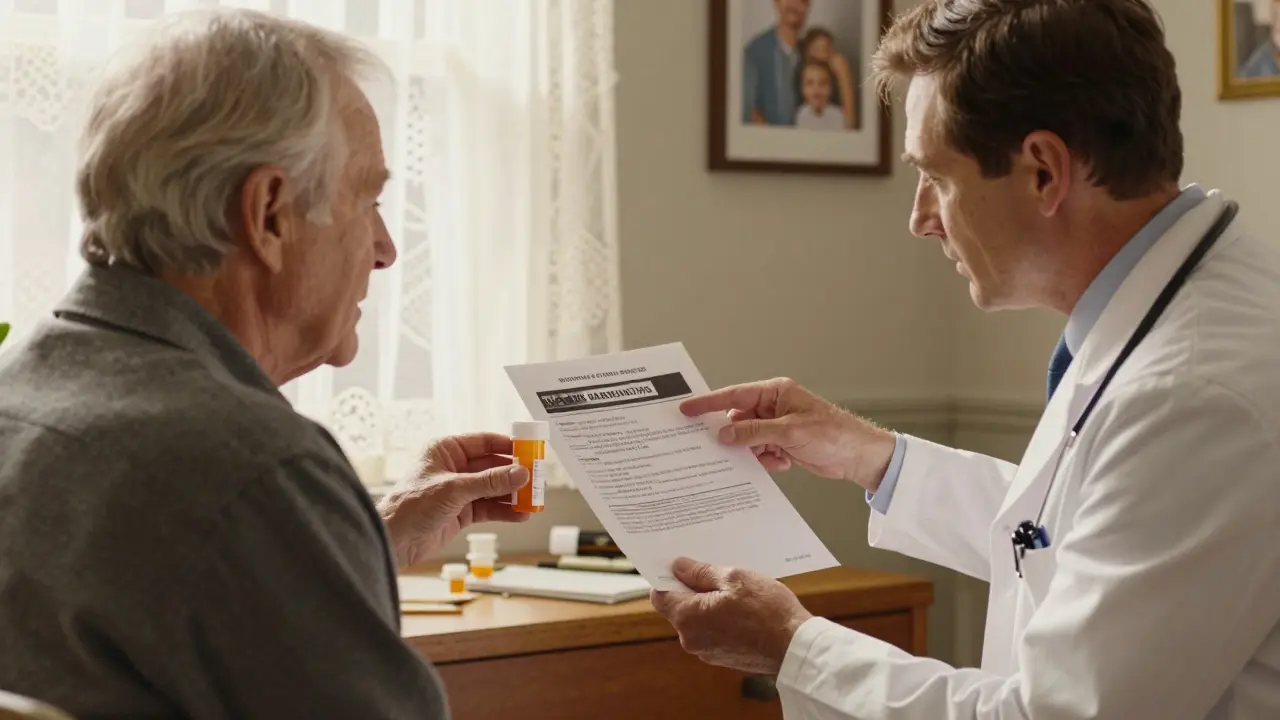
FDA Black Box Warnings: What You Need to Know About the Most Serious Drug Alerts
Black box warnings are the FDA's strongest safety alerts for prescription drugs, signaling risks of death or serious harm. Learn what they mean, how they're decided, and what to do if your medication has one.
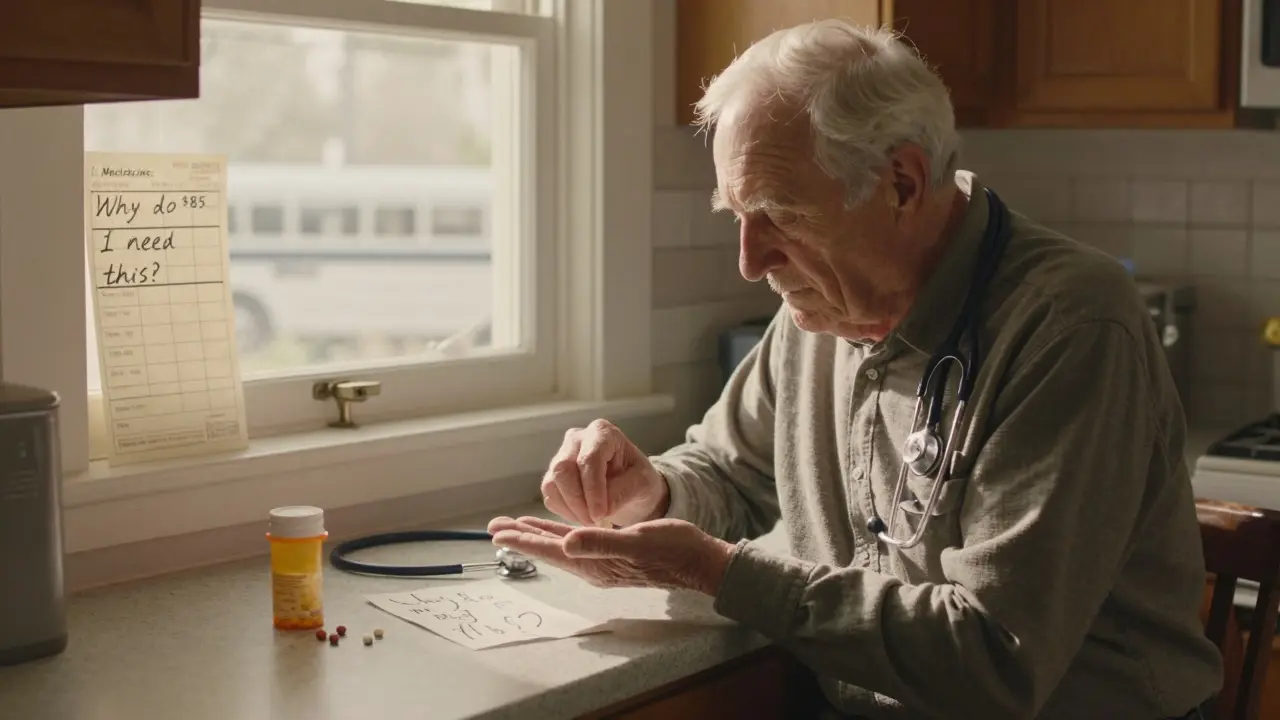
What Is Medication Adherence vs. Compliance and Why It Matters
Medication adherence means working with your provider to follow a treatment plan that fits your life-not just obeying orders. Understanding this shift from compliance to adherence can improve your health and save lives.
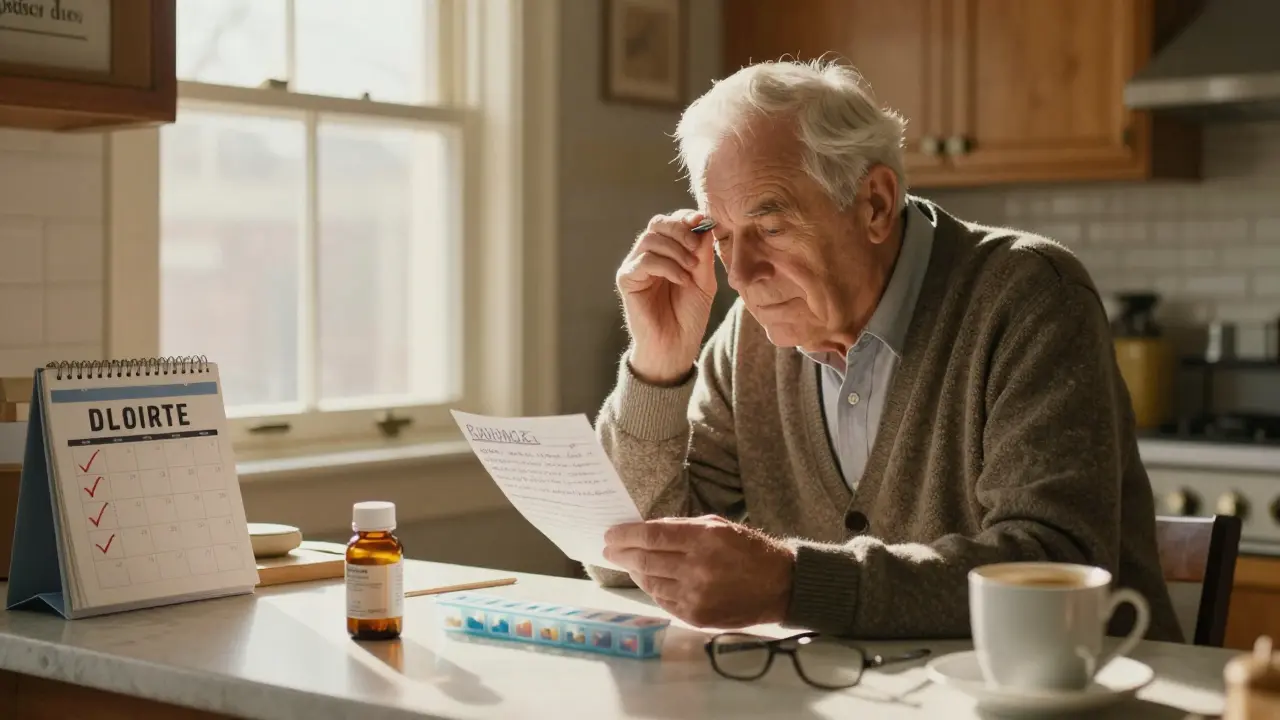
How Patients Can Prevent Medication Errors and Stay Safe
Patients play a crucial role in preventing medication errors by knowing their drugs, asking questions, and staying involved in their care. Learn practical steps to protect yourself and loved ones from harmful mistakes.
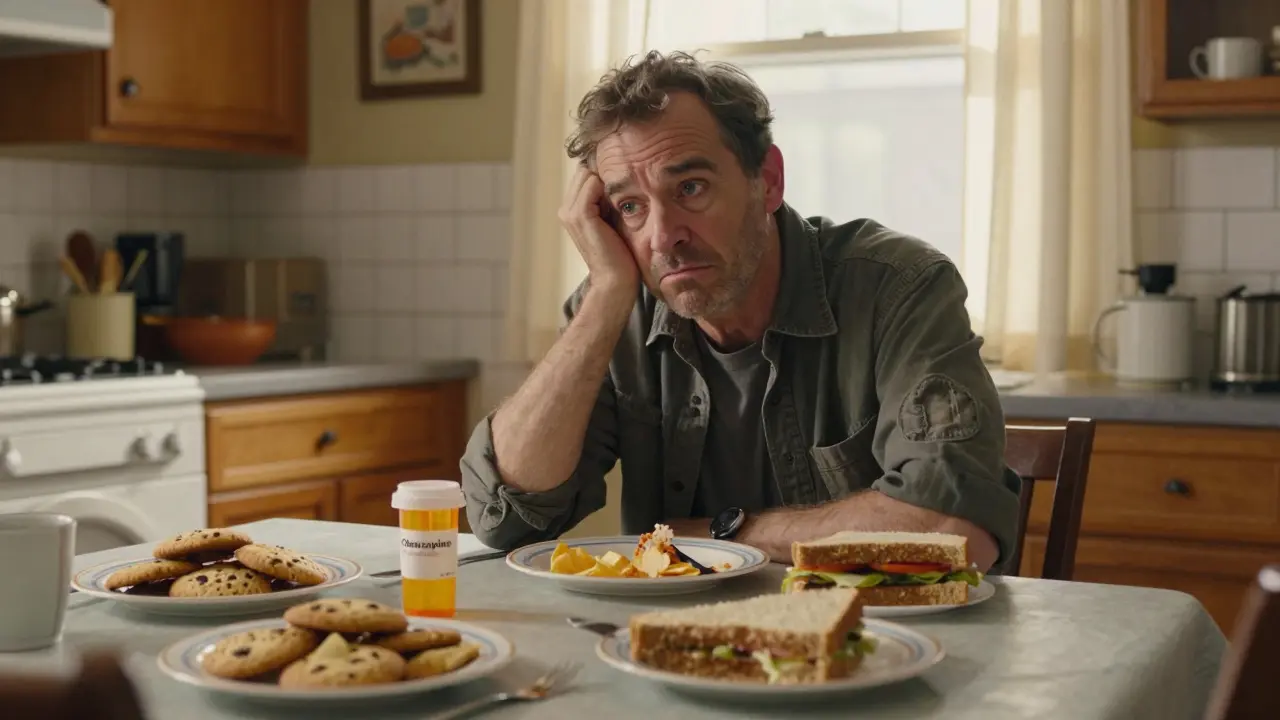
Appetite Changes from Medication: Why They Happen and How to Manage
Appetite changes from medication are common and often misunderstood. Learn why drugs like antipsychotics and antidepressants cause weight gain or loss, which ones are most likely to affect hunger, and how to manage it safely without stopping your treatment.

Adverse Event Monitoring for Biosimilars: How Safety Surveillance Works Today
Biosimilars require specialized safety monitoring due to their complex biology. Learn how adverse event reporting, traceability, and real-world surveillance systems ensure patient safety while expanding access to affordable biologic treatments.
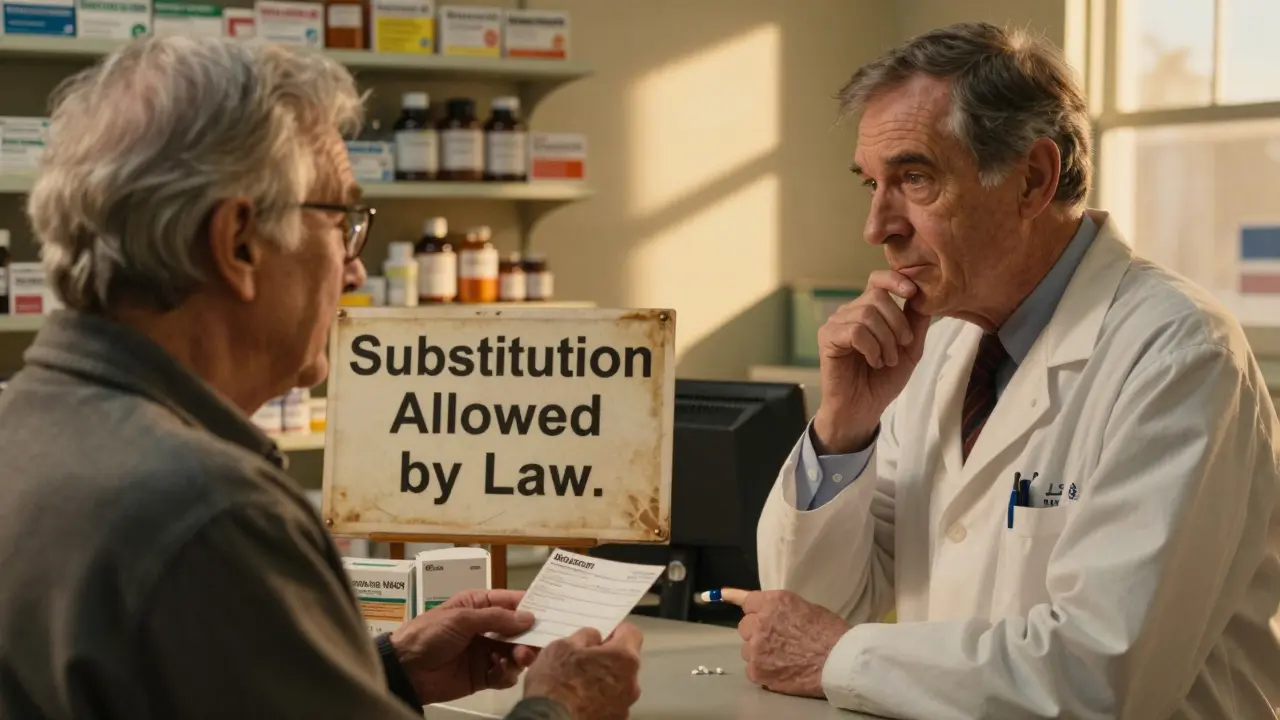
Antitrust Issues in Generic Substitution: How Pharma Tactics Block Cheaper Drugs
Big pharma uses legal loopholes to block cheaper generics by pulling old drugs off shelves just before patents expire. This anticompetitive tactic, called product hopping, costs patients billions - and regulators are finally fighting back.
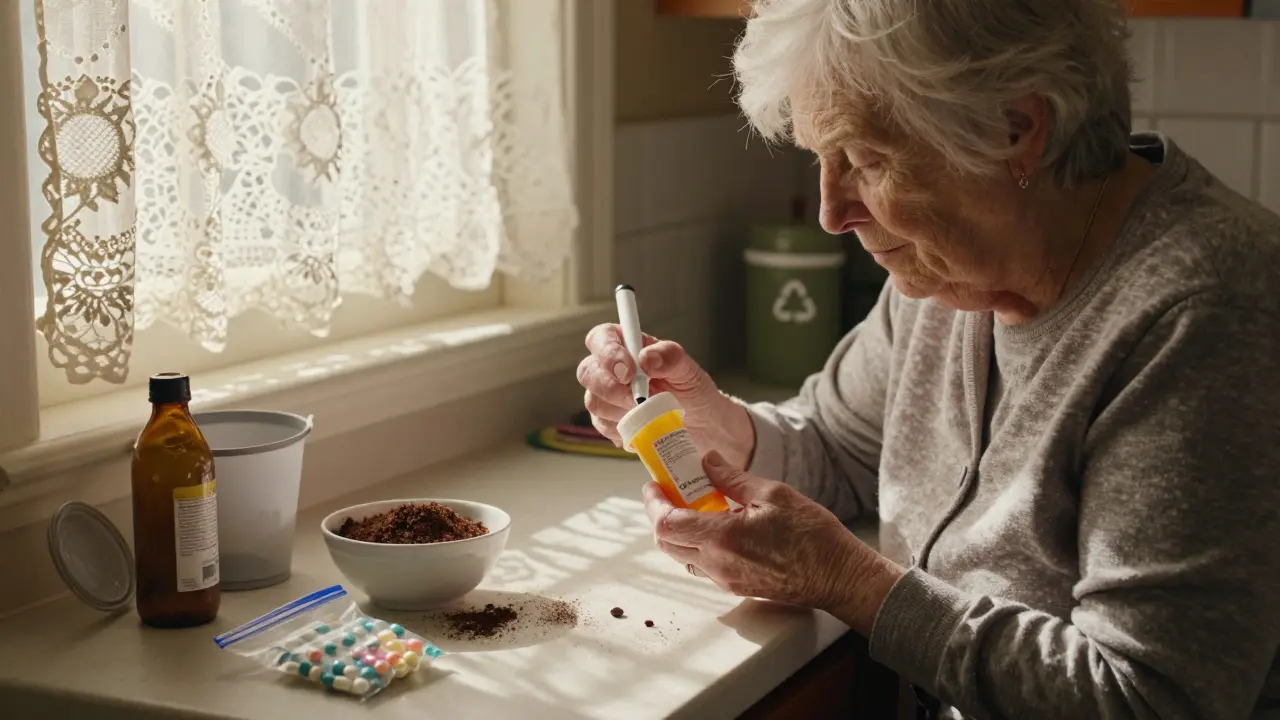
How to Protect Your Privacy When Disposing of Medications
Learn how to safely dispose of old medications while protecting your personal information from identity theft. Follow FDA and HIPAA guidelines to destroy labels and use take-back programs for maximum privacy.
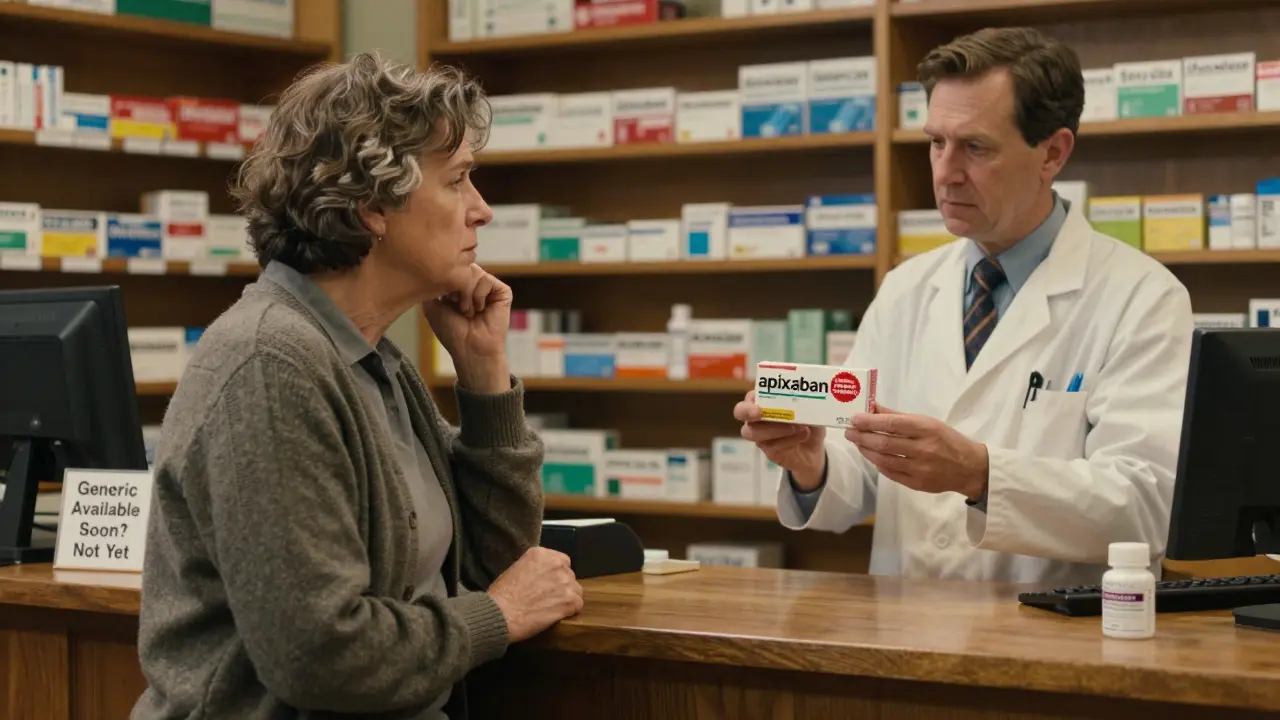
Recent Patent Cases and Generic Delays: 2023-2025 Examples
Despite FDA approval, generic drugs in the U.S. face average delays of 3.2 years before reaching patients due to patent litigation. Learn how brand-name companies use legal tactics to block affordable alternatives - and who pays the price.

When to Give Fever Reducers After Your Child's Vaccines
Learn when to give fever reducers like Tylenol or Motrin after your child's vaccines. Discover the 4-hour rule, why early dosing can reduce immunity, and what to do instead.
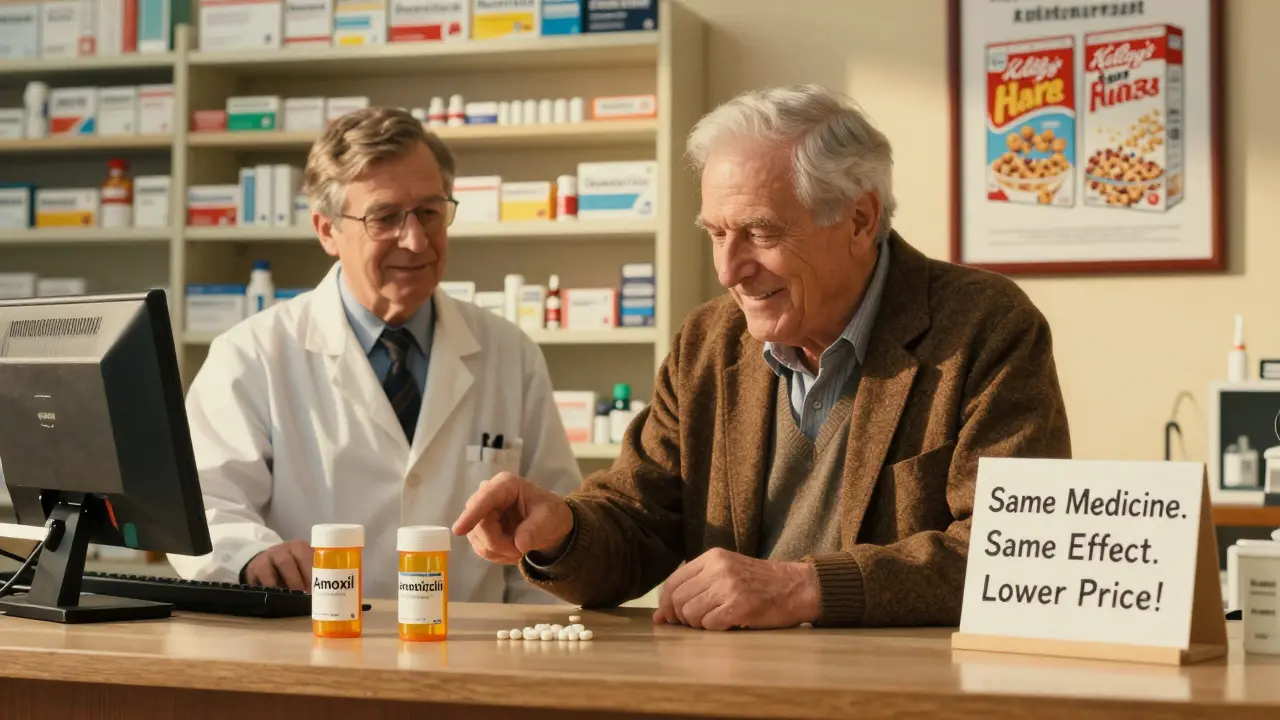
Consumer Language Guides: Making Generic Drug Information Accessible
Consumer language guides help patients understand that generic drugs are just as safe and effective as brand-name drugs - but cost far less. Learn how plain-language tools are reducing confusion and increasing adherence.